Choosing the right monitoring setup can make daily care safer and less stressful. The best dementia tracking devices for home caregivers help you spot wandering, bed exits, and urgent calls before a small incident becomes a crisis.
Because needs vary by home layout, mobility level, and supervision style, this guide focuses on practical features that matter most in real caregiving situations.
Best 10 Dementia Tracking Devices for Home Caregivers Picks for 2026
Best for Early Bed-Exit Alerts
Lunderg Wireless Early Alert Bed Alarm

- Wireless pager alerts caregivers before bed exit
- No Wi-Fi, app, or tools needed for setup
- Adjustable volume plus vibration mode for overnight use
Best For: Home caregivers needing a simple wireless bed-exit alert for dementia fall prevention.
Best for Silent Bed-Exit Alerts
CallToU Bed Alarm for Dementia Patients

- Detects feet on the floor before full standing
- Silent, vibration, and adjustable-volume alerts
- Portable receiver with rechargeable Type-C power
Best For: Home caregivers who need early bed-exit alerts with flexible silent or vibrating notifications.
Best for Real-Time Alerts
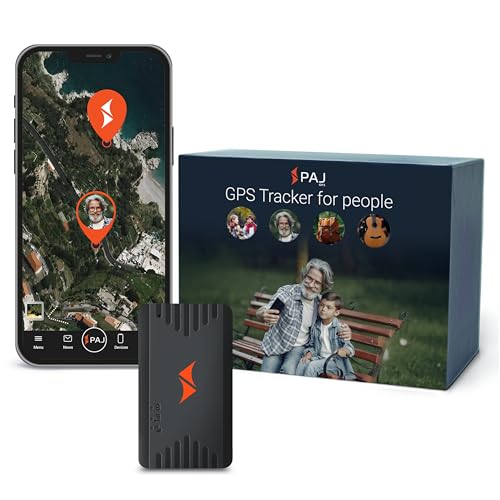
- Live GPS tracking with 365-day track memory
- Safe-zone alerts for wandering protection
- Compact 41g tracker with up to 5 days of battery
Best For: Caregivers who want real-time location updates and geofence alerts for a dementia-safe tracking option.
Best for Simple Home Paging
CallToU Wireless Caregiver Pager
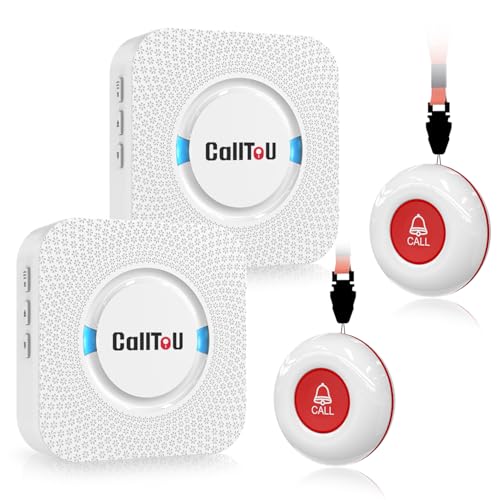
- 2 call buttons and 2 plug-in receivers
- 500+ ft open-area range
- Waterproof buttons with adjustable volume
Best For: Home caregivers who need a simple, reliable call button system for fast room-to-room alerts.
Best for Whole-Home Alerts

- Four-sensor coverage for multiple doors
- App alerts plus local chime and history logs
- No monthly subscription or camera required
Best For: Caregivers who want privacy-friendly door monitoring with phone alerts and simple setup.
Best for Bed-Exit Alerts
Upgraded Bed Sensor Alarm for Elderly
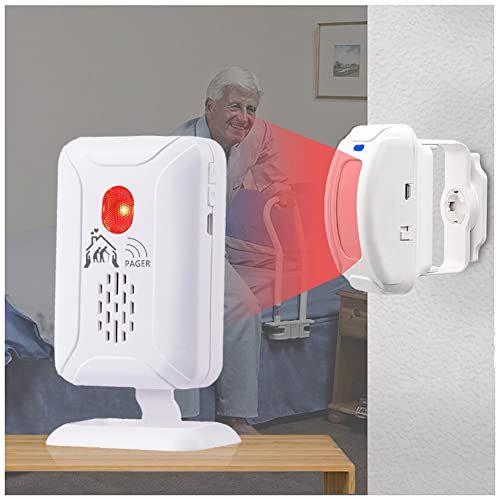
- Monitors bed exits or doorway movement
- Caregiver pager alerts outside the patient room
- 5 volume levels with LED and sound alerts
Best For: Caregivers who want a wireless alert for bed exits and doorway wandering.
Best WiFi Door Alert

- App alerts for remote door-opening notifications
- Loud receiver with 32 ringtones and adjustable volume
- Expandable with more sensors or shared users
Best For: Caregivers who want a simple app-connected alert for doors and windows.
Best for Doorway Monitoring
Bed Alarm Caregiver Pager with Wireless Sensor

- Wireless motion sensor with portable pager
- Flexible indoor placement on walls, floors, or doors
- Choice of chime or alarm alert modes
Best For: Caregivers who need simple indoor movement alerts for bedrooms and exits.
Best for Early Bed-Exit Alerts – Lunderg Wireless Early Alert Bed Alarm
If you’re comparing dementia tracking devices for home caregivers, this Lunderg bed alarm is aimed at a very specific job: warning you before your loved one gets out of bed. The wireless setup avoids a loud in-room alarm, and the pager lets you keep the alert with you instead of startling the person you’re watching.
Best For: Home caregivers who want an easy-to-set-up, wireless bed-exit alert for dementia fall prevention without a bedside alarm.
Pros:
- Pre-rise sensor placement is designed to alert before full bed exit.
- No Wi-Fi, app, or tools required, which keeps setup simple.
- Pager includes volume control and vibration mode for quieter overnight monitoring.
- Long-range wireless alerting helps caregivers move around the home.
Cons:
- It monitors bed exit only, not wandering outside the bedroom.
- Requires correct pad placement to get the intended early warning.
- Works best as a caregiver aid, not a full dementia tracking system.
This is a strong pick if your priority is preventing nighttime falls with a simple alert system rather than a broader monitoring platform. For dementia tracking devices for home caregivers, it stands out for its low-friction setup and the fact that it keeps the warning on the caregiver’s pager instead of in the room.
Best Discreet Wearable – GPS Tracker for Kids with Apple Find My
If you need a low-profile option for dementia tracking devices for home caregivers, this wearable tracker is worth a look because it avoids a visible, subscription-heavy setup and works through Apple Find My on iOS. Its small size, waterproof build, and wristband or keychain-style attachment make it easier to use in everyday routines, travel, or outings where a more obvious device may be resisted.
Best For: Caregivers who want a discreet, no-monthly-fee tracker for an iPhone-based household and a loved one who may reject bulky wearables.
Pros:
- No monthly fee and no SIM card required
- Discreet, lightweight design with wristband and keychain attachment options
- Route history playback and disconnect alerts for added peace of mind
- IP68 waterproof rating for day-to-day wear
Cons:
- Works with Apple Find My, so it is iOS-only
- Relies on Bluetooth/Find My ecosystem rather than a dedicated GPS app
- May be less suitable if you need a tracker that is obvious and easy to spot
For dementia tracking devices for home caregivers, this is a practical choice when comfort and discretion matter more than advanced pro-level monitoring. It fits best for households already using iPhones and looking for simple location support without an ongoing subscription.
Best for Silent Bed-Exit Alerts – CallToU Bed Alarm for Dementia Patients
If you want a practical safety aid rather than a full tracking system, the CallToU bed alarm is a smart pick among dementia tracking devices for home caregivers. Its floor sensor is designed to alert as soon as feet touch the ground, giving you a few critical seconds to respond before a loved one stands, wanders, or falls. The portable receiver, vibration option, and adjustable volume make it easier to use day or night.
Best For: Home caregivers who need early bed-exit alerts with flexible silent or vibrating notifications.
Pros:
- Detects movement before the person is fully out of bed
- Silent, vibration, and 5 volume settings help fit different care settings
- Portable receiver with rechargeable Type-C power
- Less likely to false-trigger from normal bed repositioning
Cons:
- Works as an alert system, not a GPS-style tracking device
- Requires battery-powered sensor placement and setup near the bed
- May not cover larger wandering areas outside the room
For caregivers comparing dementia tracking devices for home caregivers, this CallToU option stands out more as an immediate bed-exit alert than a location tracker. That makes it especially useful for nighttime supervision, when fast notification matters most and quieter alert modes are preferred.
Best for Real-Time Alerts – PAJ GPS People Finder 4G
If you need one of the more practical dementia tracking devices for home caregivers, this PAJ GPS People Finder focuses on live location tracking, safe-zone alerts, and simple app-based control. It’s designed for keeping tabs on an older adult at home or on the move, with no distance limit and a compact form factor that is easy to carry.
Best For: Caregivers who want real-time location updates and geofence alerts for a dementia-safe tracking option.
Pros:
- Real-time GPS tracking with 365 days of route memory
- Safe-zone alerts help notify you if the wearer leaves a set area
- Small, lightweight design that can fit in a pocket
- Up to 5 days of battery life with low-battery alerts
Cons:
- Requires a subscription plan after purchase
- Battery life may still require regular charging for daily use
- Not a medical alert device with two-way calling or SOS button features
For families comparing dementia tracking devices for home caregivers, this model stands out for straightforward location monitoring and configurable alerts rather than extra health features. It’s a sensible pick if your priority is knowing where someone is and getting notified quickly when they wander beyond a safe area.
Best for Simple Home Paging – CallToU Wireless Caregiver Pager
If you want one of the most practical dementia tracking devices for home caregivers, this CallToU pager works as a straightforward help-alert system rather than a full monitoring platform. It lets a caregiver or family member get an instant call from another room, which can be useful for bedtime checks, bathroom trips, or moments when a person with dementia needs quick attention.
Best For: Home caregivers who need a simple, reliable call button system for fast room-to-room alerts.
Pros:
- Includes 2 call buttons and 2 plug-in receivers for coverage in multiple rooms
- 500+ ft open-area range helps keep alerts audible across a home
- 55 ringtones and 5 volume levels make it easier to tailor notifications
- Waterproof, dustproof buttons are well-suited to bathrooms and bedside use
Cons:
- Not a GPS, fall-detection, or location-tracking device
- Receivers must stay plugged into an outlet to work
- Best for alerting, not for continuous monitoring
As a budget-friendly alert system, this CallToU setup is a good fit when the main need is fast communication rather than advanced tracking. For families comparing dementia tracking devices for home caregivers, it offers a simple way to reduce response time and keep help close at hand.
Best for Nighttime Fall Prevention – Wireless Bed Sensor Alarm Pad
If you’re comparing dementia tracking devices for home caregivers, this bed exit alarm is a practical option for overnight monitoring. The pressure-sensing mat alerts you before a loved one gets out of bed, helping reduce nighttime wandering risk and giving caregivers a little more rest.
Best For: Caregivers who want an early-warning bed alarm for seniors with dementia, especially for nighttime safety and fall prevention.
Pros:
- Large 20 x 30 inch sensor pad helps catch movement before a full bed exit.
- Adjustable pager volume plus vibrate-only mode works for day or night use.
- Wireless setup and included batteries make it easier to get started quickly.
- Waterproof, easy-to-clean pad fits neatly under the sheet without affecting comfort.
Cons:
- Works only within wireless range, so layout matters in larger homes.
- Pad placement must be flat and secured to avoid false alarms.
For caregivers who need a simple bedside alert rather than a full tracking system, this is a solid, low-fuss safety aid. It won’t replace broader dementia tracking devices for home caregivers, but it does add an important layer of overnight supervision where fall risk is highest.
Best for Whole-Home Alerts – PILSAMAS Wi-Fi Door Alarms
If you want one of the more practical dementia tracking devices for home caregivers, this PILSAMAS set focuses on door-opening alerts rather than camera-based monitoring. It pairs four sensors with a Wi-Fi receiver and app notifications, making it easier to watch exits, side doors, or medicine cabinets across a whole home without adding monthly fees.
Best For: Caregivers who need simple, privacy-friendly door monitoring with both local chimes and remote phone alerts.
Pros:
- Four sensors help cover multiple entry points or high-risk doors.
- App alerts, history logs, and sensor naming make it easier to identify which door opened.
- No subscription required, with privacy-friendly operation and no camera or audio.
- Easy setup with pre-paired components and a 328 ft receiver range.
Cons:
- Requires 2.4 GHz Wi-Fi only, so it will not work on 5 GHz networks.
- It tracks door activity, not the person’s location inside or outside the home.
- Sensor placement matters, and the gap limit is fairly tight for reliable triggering.
As dementia tracking devices for home caregivers go, this is a solid fit when the main concern is wandering through doors and you want fast alerts without the complexity of a full monitoring system. The tradeoff is that it’s an exit alert solution, so it works best as part of a broader safety plan.
Best for Bed-Exit Alerts – Upgraded Bed Sensor Alarm for Elderly
This bed-exit alarm is a practical option for dementia tracking devices for home caregivers who need an early warning when a loved one gets up or approaches a doorway. The wireless sensor can be placed under the bed or near a door, and the pager stays with the caregiver instead of sounding in the patient’s room.
Best For: Caregivers who want a simple, wireless bed or doorway alert to help monitor nighttime wandering and fall risk at home.
Pros:
- Motion sensor can be placed under the bed or at a door for flexible monitoring
- Receiver alerts the caregiver remotely, helping avoid startling the patient
- Dual reminders with sound and LED light, plus 5 volume levels
- Wireless setup with battery or micro-USB power options
Cons:
- Requires testing placement and sensing direction for reliable performance
- Designed for alerting, not GPS-style location tracking
- May be less useful if the caregiver needs coverage beyond a single room or doorway
For home caregivers, this is more of a focused safety alert than a full tracking system, but it fits well among dementia tracking devices for home caregivers when the main goal is preventing unsafe bed exits and nighttime wandering.
Best WiFi Door Alert – Caregiver WiFi Door Alarm
This WiFi door alarm is a practical option for dementia tracking devices for home caregivers who want immediate alerts when a door or window opens. It combines a local chime with smartphone notifications, so you can monitor activity at home or remotely without installing a more complex system.
Best For: Caregivers who need a simple, app-connected door alert for seniors, children, or anyone at risk of wandering.
Pros:
- Phone app alerts can notify you even when you’re away from home.
- Adjustable volume and 32 ringtones make it easier to hear in different rooms.
- Expandable system supports sharing alerts and adding more sensors or receivers.
- Useful for doors, windows, and general home or office entry monitoring.
Cons:
- It is a door alarm, not a full GPS-style tracking device.
- Requires WiFi and app setup for remote alerts.
- Best suited to entry-point monitoring rather than in-home motion tracking.
For families comparing dementia tracking devices for home caregivers, this model stands out as an easy way to catch exit attempts early and add another layer of safety at home. It is most useful when you want dependable door monitoring instead of a wearable tracker.
Best for Doorway Monitoring – Bed Alarm Caregiver Pager with Wireless Sensor
If you’re comparing dementia tracking devices for home caregivers, this bed alarm and pager setup is a practical low-tech option for watching movement without putting a screen in the room. It uses a wireless motion sensor plus a portable pager, so caregivers can stay alerted when someone gets up, approaches a door, or leaves a monitored area.
Best For: Caregivers who want a simple motion alert system for bedrooms, doorways, or hall exits in a home setting.
Pros:
- Wireless sensor and pager keep alerts out of the room and in the caregiver’s pocket.
- Flexible mounting works on walls, doors, floors, and other flat surfaces.
- Up to 500 feet of range in open areas supports wider home coverage.
- Choice of chime or alarm mode helps match the urgency of the alert.
Cons:
- It tracks movement, not location, so it won’t show where a person is.
- Best suited to indoor monitoring rather than full-home or outdoor use.
- Requires proper placement to avoid missed or overly frequent alerts.
As one of the simpler dementia tracking devices for home caregivers, this model makes sense when you mainly need fast notification of movement rather than GPS-style tracking. It’s a straightforward pick for homes where door monitoring and nighttime fall prevention matter most.
How We Picked the Best Dementia Tracking Devices for Home Caregivers
For this roundup, we prioritized devices that support everyday caregiving needs at home: reliable alerts, simple setup, useful range, and clear notification methods. We also looked for options that fit different monitoring goals, from bed-exit alerts and door sensors to wearable and GPS-style tracking.
When comparing Dementia Tracking Devices for Home Caregivers, the most important question is not “Which product has the most features?” but “Which one will actually alert the right person fast enough?”
Quick Comparison
Think of these devices in four groups: bed alarms for nighttime movement, door/window alarms for wandering prevention, caregiver pagers for room-to-room alerting, and GPS trackers for supervision outside the home. Many households do best with a combination rather than a single device.
If the person is likely to leave the bedroom at night, a bed or motion alarm may be the first priority. If wandering toward exits is the main concern, door sensors and app alerts are often more useful. For caregivers who move around the home, pager systems can improve response speed.
Key Buying Factors for Dementia Tracking Devices for Home Caregivers
Alert Type
Choose alerts based on how you care. Silent vibration, audible alarms, phone app notifications, and pagers each serve different needs. A device should notify the caregiver in a way they will notice immediately.
Range and Reliability
For larger homes or multi-level layouts, wireless range matters. Look for systems that maintain stable connections through walls and floors, and favor products with straightforward reconnecting or pairing.
Placement and Ease of Use
Devices should be easy to install on beds, doors, windows, or clothing. Complicated setup can reduce consistency, especially in high-stress caregiving environments.
Battery and Power Needs
Long battery life and easy replacement help reduce downtime. For GPS units or app-connected devices, check whether charging is frequent and whether backup alerts are available if power is lost.
Privacy and Monitoring Style
Some families want discreet in-home alerts, while others need location tracking beyond the house. Pick the least intrusive option that still provides the level of safety your situation requires.
Who Should Buy Which Dementia Tracking Devices for Home Caregivers?
Buy bed alarms if nighttime wandering or unsafe exits from bed are the main concern. Choose door and window alarms if preventing unsupervised leaving is your top priority. Select caregiver pager systems if the goal is fast internal communication between rooms or floors. Consider GPS trackers when safety concerns extend outside the home or when you need location visibility during outings.
For many households, the best setup is layered: a bed sensor for nighttime, a door alarm for exits, and a pager or app notification system so the caregiver can respond quickly without relying on hearing a single alarm from another room.