Choosing the right safety setup can make everyday life feel easier and more secure for older adults living alone. The best options are simple to use, fast to trigger, and dependable when help is needed.
This roundup focuses on home safety devices for seniors living alone that can support emergency calling, wandering prevention, door alerts, and visible or audible panic signaling.
Best 10 Home Safety Devices for Seniors Living Alone Picks for 2026
Best Two-Button Alert System
CallToU Wireless Caregiver Pager
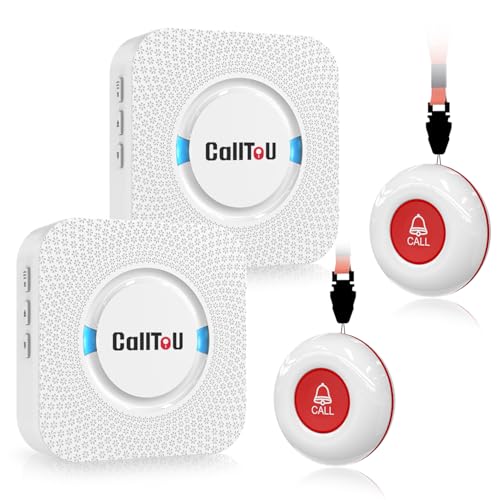
- 2 SOS buttons and 2 receivers for flexible coverage
- 500+ ft open-area range with plug-in receivers
- 55 ringtones, adjustable volume, and waterproof design
Best For: Seniors living alone who need a simple, room-to-room emergency call system.
Best for Instant Response

- Compact wearable with discreet design
- 24/7 monitored emergency response
- GPS tracking with optional fall detection
Best For: Seniors who want a discreet alert device for home and on-the-go protection.
Best for Doorway Monitoring
Ideal Security Pressure Floor Mat Alarm

- Triggers an alarm or chime when stepped on
- 30-foot wire allows flexible mat placement
- Useful for doorway monitoring and anti-wandering
Best For: Caregivers or families monitoring entryways and movement for seniors living alone.
Best for Family-First Monitoring
SecuLife Medical Alert Pendant

- Direct alerts go to family, no call center.
- Includes fall detection, GPS, and geofencing.
- Waterproof wearable with two-way calling.
Best For: Seniors who need direct-to-family emergency alerts and location tracking.
Best for Loud Audible Alerts

- 110dB alarm is loud enough to grab attention quickly
- Hangs on a door handle with no wiring required
- Offers alarm, chime, and off modes for flexible use
Best For: Seniors and renters who want a simple, loud door alert for added peace of mind.
Best for Simple In-Home Alerts
CallToU Wireless Caregiver Pager

- 500+ ft open-area range
- 55 tones with 5 volume levels
- Waterproof button and receiver
Best For: Seniors who need a simple wireless alert button for quick help at home.
Best for Easy Alerting
TECKNET 2-in-1 Door & Window Alarm (3-Pack)

- Fast magnetic alarm for doors and windows
- Three volume settings for different rooms
- Simple peel-and-stick installation
Best For: Seniors who want an easy, low-cost entry alarm for doors and windows.
Best for Loud Remote Alerts
Remote Emergency Strobe Siren Alarm Kit

- 120dB siren with flashing red light
- Two oversized call buttons for easy use
- Waterproof buttons and 300 ft wireless range
Best For: Seniors who need a loud, easy-to-trigger emergency alert system at home.
Best Loud Panic Alarm
Strobe Siren Panic Alarm Button

- 120dB siren with flashing red light
- Multiple emergency buttons for flexible placement
- Simple, urgent-use alarm for home alerts
Best For: Seniors or caregivers who want a loud emergency alarm with easy-to-place buttons for home use.
Best Two-Button Alert System – CallToU Wireless Caregiver Pager
If you’re comparing home safety devices for seniors living alone, this CallToU wireless caregiver pager is a simple way to add fast, reliable help alerts without a complicated setup. It gives the user two SOS buttons and two plug-in receivers, making it a practical fit for larger homes or spaces where alerts need to be heard in more than one room.
Best For: Seniors, patients, or disabled adults who need an easy-to-use call system with multiple receivers and a wide-range alert.
Pros:
- Two call buttons and two receivers offer flexible coverage in more than one room.
- 500+ ft open-area range helps keep alerts reachable across a home.
- 55 ringtones and adjustable volume make it easier to tailor the alert to the user.
- Waterproof, dustproof design adds peace of mind for bathroom or outdoor use.
Cons:
- Receivers must be plugged into an outlet, so portability is limited by available power.
- The system is an alert tool, not a monitoring or medical response device.
This is a strong pick if you want a straightforward emergency-call setup that can scale across a home. Among home safety devices for seniors living alone, it stands out for its easy placement, loud alert options, and practical two-button/two-receiver configuration.
Best for Simple Door Security – EMDMAK Door Stop Alarm (2-Pack)
If you want a fast, low-cost layer of protection, this door stop alarm is a practical add-on to home safety devices for seniors living alone. It works as both a wedge and a deterrent, and the loud siren can buy valuable time if a door is pushed open unexpectedly.
Best For: Seniors or caregivers who want an easy, no-installation alarm for bedrooms, apartments, or travel stays.
Pros:
- 120 dB alarm is loud enough to draw attention quickly
- No installation required; just place it behind an inward-opening door
- Dual-purpose design acts as both a stopper and an alarm
- Pack of 2 offers backup coverage for multiple doors or trips
Cons:
- Requires a 9V battery, which is not included
- Only works on compatible door clearances and inward-opening doors
- Best as a supplemental safety tool, not a full security system
For seniors who need something simple and portable, this is one of the more straightforward home safety devices for seniors living alone. It’s not a high-tech solution, but the combination of easy setup, portability, and a very loud alarm makes it a useful extra layer of protection.
Best for Instant Response – Medical Guardian MGMini
For shoppers comparing home safety devices for seniors living alone, the Medical Guardian MGMini stands out for its compact design, 24/7 monitoring, and built-in GPS. It’s a practical choice if you want a wearable medical alert device that can work at home or on the go without feeling bulky or obvious.
Best For: Seniors who want a discreet medical alert device with fast access to live emergency help and location tracking.
Pros:
- Small, lightweight device with lanyard or belt-clip wear options
- Two-way speaker connects to a U.S.-based operator in about 10 seconds
- GPS tracking and nationwide 4G LTE coverage add mobility and peace of mind
- Optional fall detection can be added during activation
Cons:
- Requires a paid subscription after the trial month
- Fall detection costs extra
- Must be activated before use
Overall, the MGMini is a strong pick if you want home safety devices for seniors living alone that also support outings, errands, and travel. Its compact size and quick-response monitoring make it a solid middle-ground between simplicity and full-time protection.
Best for Doorway Monitoring – Ideal Security Pressure Floor Mat Alarm
If you want a simple way to notice movement at an entryway, this pressure-mat alarm is a practical option among home safety devices for seniors living alone. It alerts with either a loud alarm or a softer chime when someone steps on the mat, making it useful for monitoring doors, hallways, or a bedside approach.
Best For: Caregivers, families, and seniors who need an easy-to-place alert for door traffic or possible wandering.
Pros:
- Step-on pressure mat can trigger either an alarm or a welcoming chime.
- Thin 30-foot wired connection makes placement more flexible.
- Battery-powered alarm unit can be wall-mounted for convenience.
- Works indoors and in limited outdoor setups when covered by a waterproof mat.
Cons:
- Not a full medical alert system or two-way communication device.
- Requires battery replacements to maintain reliable sound levels.
- Best for monitored entry points rather than large-area coverage.
This is a straightforward alerting tool rather than a smart-home solution, but that can be an advantage if you want something dependable and easy to understand. For shoppers comparing home safety devices for seniors living alone, it stands out for doorway monitoring, anti-wandering use, and flexible placement.
Best for Family-First Monitoring – SecuLife Medical Alert Pendant
If you want one of the more practical home safety devices for seniors living alone, this SecuLife pendant stands out for sending alerts directly to family instead of routing through a call center. It combines fall detection, GPS tracking, and two-way calling in a wearable that is meant to be simple enough for everyday use.
Best For: Seniors who need direct-to-family emergency alerts, location tracking, and a waterproof wearable they can keep on day and night.
Pros:
- Fall detection can automatically notify preselected contacts after an incident.
- GPS tracking and geofencing help caregivers monitor location in real time.
- Two-way calling and auto-answer make it easier to speak hands-free in an emergency.
- Waterproof IP67 design supports all-day wear, including in the shower.
Cons:
- Requires a $20/month subscription.
- Battery life is decent, but frequent tracking can shorten time between charges.
- Works best if family or caregivers are available to respond quickly.
This is a strong fit if you want a wearable alert system that prioritizes family notification, location awareness, and simple day-to-day use. For shoppers comparing home safety devices for seniors living alone, it’s especially appealing when you want fewer layers between an emergency and the people who need to know.
Best for Loud Audible Alerts – SABRE Door Handle Alarm
If you want a simple add-on among home safety devices for seniors living alone, this door handle alarm is designed to make a loud, immediate noise when vibration is detected. It can help alert the person inside, discourage unwanted entry, and potentially be heard by neighbors, all without wiring or a complicated setup.
Best For: Seniors, renters, and travelers who want a quick, battery-powered door alert that hangs directly on a handle or knob.
Pros:
- Very loud 110dB alarm can be heard from far away
- Simple no-wiring setup; just hangs on the inside of a door handle
- Three modes: off, alarm, and chime for flexible everyday use
- Compact and portable for home, apartment, or travel use
Cons:
- Requires 3 AAA batteries, which are not included
- Only protects the specific door it’s placed on
- May not suit users who need app-based alerts or monitoring
This is a practical choice if you want a low-cost, easy-to-use door alert rather than a full security system. For home safety devices for seniors living alone, it stands out because it is immediate, portable, and straightforward to deploy on key entry points.
Best for Simple In-Home Alerts – CallToU Wireless Caregiver Pager
If you want one of the most straightforward home safety devices for seniors living alone, this CallToU pager is built to make getting help as easy as pressing a button. It pairs a waterproof call button with a plug-in receiver, giving caregivers a reliable alert system for bedrooms, bathrooms, kitchens, or other common areas.
Best For: Seniors, patients, or disabled adults who need a simple, wireless way to summon help from another room.
Pros:
- 500+ ft open-area range helps keep alerts reachable across most homes
- 55 ringtones and 5 volume levels, including very loud settings
- Waterproof transmitter and receiver add durability in bathrooms and outdoor use
- Receiver plugs into an outlet, making setup quick and uncomplicated
Cons:
- Includes only one call button and one receiver in the base package
- Receiver must stay plugged in, so placement depends on outlet access
- No two-way communication or monitoring features beyond the alert signal
For shoppers comparing home safety devices for seniors living alone, this model stands out for its easy setup, long range, and dependable push-button alerts. It is a practical choice when the goal is fast notification rather than a more complex monitoring system.
Best for Easy Alerting – TECKNET 2-in-1 Door & Window Alarm (3-Pack)
If you’re comparing home safety devices for seniors living alone, this TECKNET 3-pack is a simple way to add fast entry alerts to doors, windows, or even cabinets. It’s especially useful in spaces where you want an audible warning without a complicated setup.
Best For: Seniors living alone who want an affordable, easy-to-install alarm for doors and windows.
Pros:
- Quick magnetic trigger helps alert you when a door or window opens unexpectedly.
- Three volume levels make it easier to match the alarm to a bedroom, apartment, or hallway.
- Simple peel-and-stick installation with no wiring or tools required.
- Compact 3-pack offers flexible coverage for multiple entry points.
Cons:
- Not a monitored medical alert system or emergency response device.
- Requires battery checks, and performance depends on proper alignment.
- Alarm-style warnings may be too loud for some users at the highest setting.
As home safety devices for seniors living alone go, this is a practical add-on rather than a full security solution. It works well if you want a low-cost way to know when a door or window has been opened, especially in small homes, apartments, or guest spaces.
Best for Loud Remote Alerts – Remote Emergency Strobe Siren Alarm Kit
If you want one of the more attention-grabbing home safety devices for seniors living alone, this remote panic alarm kit stands out for its very loud 120dB siren, flashing red strobe, and simple call buttons. It’s designed to give caregivers or an older adult a fast way to trigger a visible and audible alert from across the home or outdoors.
Best For: Seniors who need a high-volume emergency alert system with easy-to-press remote buttons and a long wireless range.
Pros:
- 120dB siren and red strobe make emergencies hard to miss
- Two large call buttons are easier to press than tiny remotes
- Waterproof button design works well for outdoor or wet areas
- Simple setup with stable long-distance signal up to 300 ft
Cons:
- It’s an alarm system, not a monitored medical alert service
- Sound level may be too loud for very small living spaces
- Utility-focused design is less discreet than a wearable device
This kit makes sense if your priority is fast, unmistakable alerting rather than advanced monitoring. For home safety devices for seniors living alone, it’s a practical pick when you want a loud signal, easy controls, and coverage that can reach multiple rooms or outdoor areas.
Best Loud Panic Alarm – Strobe Siren Panic Alarm Button
If you want a simple alert option for home safety devices for seniors living alone, this siren-and-strobe alarm focuses on fast, attention-grabbing signaling. The 120dB sound and flashing red light are meant to be hard to miss, while the included emergency buttons make it easier to trigger an alert from different spots.
Best For: Seniors or caregivers who want a loud, easy-to-spot emergency alarm with multiple button options for home use.
Pros:
- 120dB siren and red flashing light help draw attention quickly
- Includes multiple emergency buttons for flexible placement
- Simple alarm design is straightforward for urgent use
- Compact enough for home or small-business placement
Cons:
- More of an alert alarm than a full monitoring system
- Works best when someone nearby can hear or see the alarm
- Design is utility-focused, not discreet or decorative
For households comparing home safety devices for seniors living alone, this is a practical pick if the priority is making an emergency obvious fast. It’s not a medical alert service, but it can be a strong visual-and-audible layer of protection in rooms where quick help might be needed.
How We Picked the Best Home Safety Devices for Seniors Living Alone
We prioritized devices that are easy to activate, suitable for solo use, and useful in common at-home risk scenarios such as falls, door exits, intrusions, and delayed response times. We also looked for clear alert methods, practical range, simple setup, and features that reduce dependence on a smartphone or complicated app workflow.
Quick Comparison
Think of these products in four buckets: caregiver paging systems for direct room-to-room help, medical alert wearables for emergency response and fall detection, door and floor alarms for boundary monitoring, and loud strobe or siren alarms for immediate attention. That makes it easier to match the device to the real-world problem you want to solve.
Key Buying Factors for Home Safety Devices for Seniors Living Alone
Ease of Use
Look for large buttons, one-step activation, and wearable or bedside placement that does not require fine motor skills. If a device is too complicated to test or reset, it may not get used when it matters.
Alert Type and Escalation
Some devices notify only someone nearby, while others can reach family members or monitoring centers. For Home Safety Devices for Seniors Living Alone, decide whether you need local audio alerts, remote notifications, GPS support, or automatic fall detection.
Coverage and Range
Check signal range for pager systems and alert penetration through walls and doors. For entry monitoring, consider how much of the home needs coverage and whether the device fits a front door, bedroom door, or hallway path.
Power and Reliability
Battery life, plug-in receivers, and backup options matter because emergencies are not the time to troubleshoot charging. Water resistance can also be useful for wearables and buttons used in kitchens, bathrooms, or entryways.
Who Should Buy Which Home Safety Devices for Seniors Living Alone?
If the priority is getting help from a family caregiver or neighbor, choose a wireless pager or call button system. If the goal is fast medical response and mobility support, a monitored wearable or pendant is usually the better fit. If wandering, unauthorized exits, or nighttime movement are concerns, door and floor alarms can add a strong layer of protection. For situations where immediate attention is critical, loud siren and strobe devices can help alert others in the home or nearby.
In many homes, the best setup is a combination of devices rather than a single solution. Start with the highest-risk scenario, then add another layer if needed for broader coverage and faster response.