Choosing the right alert system can make a real difference when quick help matters. The best options for seizure monitoring balance fast notifications, simple setup, and dependable coverage.
Below, we focus on practical features that help caregivers respond sooner and stay connected at home.
Best 10 Seizure Alert Devices for Home Monitoring Picks for 2026
Best for Privacy-Focused In-Home Monitoring
NOMO Smart Care Medical Alert System
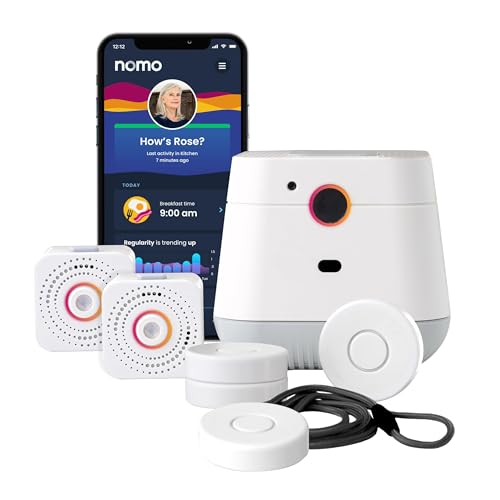
- Camera-free system with motion and sound sensing
- Easy plug-and-play setup over home WiFi
- 60-day trial with RapidSOS monitoring and alerts
Best For: Seniors and caregivers who want a private, easy-to-install home alert system with fall detection and emergency response.
Best for Multi-Room Coverage
CallToU Wireless Caregiver Pager
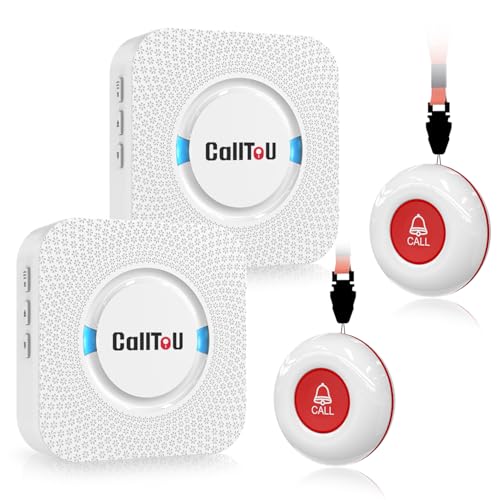
- Two receivers and two SOS buttons
- 500+ ft open-area wireless range
- 55 tones with adjustable volume
Best For: Families and caregivers needing a simple alert system for multiple rooms.
Best for In-Home Coverage
ADT Medical Alert Plus with Fall Detection

- 600 ft pendant range supports coverage in and around the home
- 24/7 U.S.-based monitoring with emergency contact updates
- Includes fall detection and home temperature monitoring
Best For: Households wanting monitored in-home safety with fall detection and wide range.
Best for Wet-Zone Coverage
PILSAMAS WiFi Caregiver Pager Smart Call System

- IP65 waterproof wristband and buttons
- App alerts show who needs help and where
- No monthly fee with pre-paired setup
Best For: Families needing a simple caregiver alert system for bathrooms, bedrooms, and other high-risk home areas.
Best for 24/7 Emergency Monitoring
Safety+ 4G Medical Alert System

- 24/7 monitored emergency response with GPS tracking
- Automatic fall detection and caregiver app alerts
- Easy activation with the first month of service included
Best For: Families wanting a wearable, monitored safety device with caregiver alerts and location tracking.
Best for App-Based Monitoring
PILSAMAS WiFi Caregiver Call Button

- Real-time app notifications with no monthly fee for app alerts
- Shares alarms with multiple family members
- Easy to place, wear, or mount at home
Best For: Families wanting a simple WiFi alert button for caregiver notifications and home monitoring.
Best for Mobile Monitoring
Medical Alert Pendant with GPS & Fall Detection

- Automatic fall detection for added protection
- GPS tracking plus caregiver app support
- Waterproof pendant with 24/7 monitoring
Best For: Seniors and caregivers who want a wearable alert device for home and on-the-go safety.
Best for 24/7 Monitoring
Medical Alert System with Fall Detection & GPS

- 24/7 monitored emergency response
- GPS tracking with nationwide cellular coverage
- Optional fall detection add-on
Best For: Seniors or caregivers who want a monitored pendant with GPS and optional fall detection.
Best No-Fee Wi-Fi Alert System
Life Alert System No Monthly Fee

- No monthly fee or subscription required
- Pendant and wrist call buttons included
- App alerts over 2.4GHz Wi‑Fi
Best For: Families wanting a simple in-home alert button system with caregiver app notifications and no monthly fee.
Best for Privacy-Focused In-Home Monitoring – NOMO Smart Care Medical Alert System
If you want seizure alert devices for home monitoring that prioritize privacy and simple setup, the NOMO Smart Care system is a practical option. It uses motion and sound-sensing satellites plus wearable tags to help detect unusual movement, falls, and emergencies over WiFi, without requiring a camera or landline.
Best For: Seniors, caregivers, and families who want a camera-free in-home alert system with fall detection, two-way voice communication, and remote notifications.
Pros:
- Camera-free design helps protect privacy while still monitoring movement and falls.
- Quick plug-and-play setup with no technician visit or special wiring.
- Includes a 60-day monitoring trial with RapidSOS emergency response.
- Wearable tags add panic-button functionality and adjustable alert sensitivity.
Cons:
- Requires home WiFi for the hub and satellites to work properly.
- Monthly subscription applies after the trial period ends.
For households comparing seizure alert devices for home monitoring, NOMO stands out for combining privacy, caregiver alerts, and emergency response in one easy-to-install system. It is especially appealing if you want a modern alternative to traditional medical alert setups without adding cameras to the home.
Best for Multi-Room Coverage – CallToU Wireless Caregiver Pager
If you’re comparing seizure alert devices for home monitoring, the CallToU Wireless Caregiver Pager is a practical choice for households that need simple, room-to-room coverage without a complex setup. It uses two plug-in receivers and two SOS buttons, so help can be signaled from different spots around the home.
Best For: Families, caregivers, and patients who want an easy-to-use alert system with multiple receivers and a long wireless range for home use.
Pros:
- Two transmitters and two receivers make it easier to cover more than one room.
- 500+ ft open-area range is useful for larger homes or caregiving situations.
- 55 ringtones and adjustable volume help tailor alerts to the environment.
- Waterproof, dustproof buttons add peace of mind in bathrooms or damp areas.
Cons:
- Receivers must stay plugged in, so portability is limited.
- Not a medical-grade seizure detection system; it relies on the user pressing the SOS button.
- Best performance depends on layout and open-space conditions.
For families wanting a straightforward alert setup, this CallToU system fits well as a low-friction option among seizure alert devices for home monitoring, especially when you need coverage in more than one part of the house.
Best for In-Home Coverage – ADT Medical Alert Plus with Fall Detection
If you’re comparing seizure alert devices for home monitoring, ADT Medical Alert Plus is a practical option for people who want a monitored system with wide in-home range, fall detection, and 24/7 U.S.-based response support. It’s geared more toward everyday safety and emergency communication than specialized seizure sensing, but it can still fit households looking for dependable alert coverage inside the home and nearby yard.
Best For: Seniors or caregivers who want professionally monitored home coverage with fall detection, long pendant range, and temperature alerts.
Pros:
- Up to 600 ft pendant range for coverage inside the home and around the yard
- 24/7 U.S.-based monitoring with step-by-step caregiver communication
- Home temperature monitoring adds another layer of safety
- Fall detection pendant is available for added emergency support
Cons:
- Requires monthly service agreement and activation before use
- Professional monitoring raises the ongoing cost
- Not a dedicated seizure-detection device
For families comparing seizure alert devices for home monitoring, this ADT system stands out more for professional monitoring, broad range, and all-around safety features than for seizure-specific detection. It’s a solid fit if you want a monitored medical alert setup that can help during many types of emergencies, especially when reliability and response coordination matter most.
Best for Wet-Zone Coverage – PILSAMAS WiFi Caregiver Pager Smart Call System
If you’re comparing seizure alert devices for home monitoring, this PILSAMAS system stands out for fast caregiver notifications, app-based alerts, and a waterproof wristband that can handle bathroom use. It’s more of a multi-room call and alert system than a dedicated seizure sensor, but it can be a practical choice when you need quick help requests across home, nursing, or dementia care settings.
Best For: Families who want a simple, no-monthly-fee caregiver alert setup with waterproof coverage for high-risk areas like bathrooms and bedrooms.
Pros:
- Wi-Fi app alerts let caregivers see who needs help and where it’s happening.
- IP65 waterproof wristband and buttons are a strong fit for showers, sinks, and other wet zones.
- Pre-paired setup and no monthly fee make it easy to get running quickly.
- Multiple tones, volumes, and device naming improve household customization.
Cons:
- Requires 2.4GHz Wi-Fi for full app functionality.
- Not a specialized seizure-detection sensor with automatic event detection.
- SMS, call, and email alerts need an optional plan.
For shoppers focused on seizure alert devices for home monitoring, this is a solid caregiver communication tool, but it’s best understood as a manual emergency call system rather than an automatic seizure-detection device.
Best for 24/7 Emergency Monitoring – Safety+ 4G Medical Alert System
If you want seizure alert devices for home monitoring that also work outside the house, this Safety+ system is built around always-on emergency response, GPS location sharing, and automatic fall detection. It’s a practical option for people who need wearable protection, caregiver notifications, and a simple setup without relying on a smartphone.
Best For: Seniors, adults with mobility concerns, and families who want a monitored wearable safety device with caregiver alerts.
Pros:
- 24/7 nationwide monitoring with trained operators and emergency dispatch support
- Automatic fall detection plus GPS location services for added peace of mind
- Caregiver app includes alerts, battery status, activity tracking, and location info
- Easy activation, no smartphone required, and includes the first month of service
Cons:
- Requires an ongoing monthly subscription after the included first month
- Not a dedicated seizure-detection device; it’s more of a general medical alert system
For shoppers comparing seizure alert devices for home monitoring, this stands out for its mix of monitored response, fall detection, and GPS-backed caregiver visibility. It’s less specialized than a seizure-specific monitor, but the added 4G coverage and app-based alerts make it a strong all-around safety choice.
Best for App-Based Monitoring – PILSAMAS WiFi Caregiver Call Button
If you want a simple option for seizure alert devices for home monitoring, this WiFi caregiver call button is a practical pick for families who want instant phone alerts without adding a monthly service. It’s designed for quick emergency signaling, works through an app, and can be shared with multiple caregivers.
Best For: Families who want a low-maintenance home alert button with real-time app notifications and easy caregiver sharing.
Pros:
- Real-time app alerts with no monthly fee for app notifications
- Simple setup over 2.4GHz WiFi, with no gateway required
- Can share alerts with multiple family members for broader coverage
- Flexible mounting and wear options for home or care settings
Cons:
- Only supports 2.4GHz WiFi, not 5GHz
- Needs to stay within about 15 meters of the router
- SMS, phone, and email alerts require a subscription
As a budget-friendly alert button, it’s better suited to communication and rapid response than advanced medical sensing. For shoppers comparing seizure alert devices for home monitoring, it stands out as a straightforward caregiver notification tool rather than a full detection system.
Best for Mobile Monitoring – Medical Alert Pendant with GPS & Fall Detection
If you want a wearable option that can support at-home safety and beyond, this medical alert pendant combines automatic fall detection, 24/7 monitoring, GPS tracking, and caregiver app access. It can fit well into a shortlist of seizure alert devices for home monitoring when you want a simple SOS wearable with location awareness and waterproof durability.
Best For: Seniors or caregivers who want a compact alert device with monitoring, fall detection, and GPS for use at home and while out and about.
Pros:
- Automatic fall detection adds an extra layer of protection
- GPS tracking and caregiver app help with location-based support
- Waterproof pendant design is easier to wear daily
- 24/7 monitoring supports fast emergency response
Cons:
- Not a dedicated seizure-detection wearable
- Requires comfort with wearing a pendant consistently
- Advanced features may be more than some buyers need
For households comparing seizure alert devices for home monitoring, this model stands out for its mix of automatic fall detection, GPS, and caregiver connectivity. It is a practical choice if you want broader emergency coverage in a discreet wearable rather than a specialized seizure-specific system.
Best for Wi‑Fi App Alerts – PILSAMAS WiFi Caregiver Pager with App Alert
For buyers comparing seizure alert devices for home monitoring, this PILSAMAS system stands out for its Wi‑Fi-connected app alerts, wearable panic button, and simple no-monthly-fee setup. It is designed to notify caregivers quickly at home, while also offering a loud local alarm and easy device naming for faster response.
Best For: Families who want an affordable, app-connected alert system for seniors, dementia care, or at-home monitoring without recurring fees.
Pros:
- Wi‑Fi app notifications add remote caregiver awareness beyond the local alarm.
- Includes two call buttons plus one wearable wristband panic button for flexible use.
- No monthly fee keeps long-term ownership costs low.
- Pre-paired setup and adjustable volume/ringtones make it easy to personalize.
Cons:
- Wi‑Fi support is limited to 2.4 GHz networks.
- SMS, phone, and email alerts require a subscription.
- Not a specialized medical seizure detector; it is an alert/panic system.
As a practical pick among seizure alert devices for home monitoring, this model is best viewed as a fast caregiver-notification system rather than a clinical detection device. If you want simple setup, app-based alerts, and a low ongoing cost, it covers the basics well.
Best for 24/7 Monitoring – Medical Alert System with Fall Detection & GPS
If you’re comparing seizure alert devices for home monitoring, this medical alert pendant is worth a look for its always-on professional monitoring, GPS tracking, and optional fall detection. It’s designed for users who want a simple button-press emergency response system that can also help when symptoms lead to a fall or sudden need for assistance.
Best For: Seniors or caregivers who want a monitored pendant with GPS coverage and an optional fall-detection add-on for added peace of mind at home and on the go.
Pros:
- 24/7 professional monitoring with fast operator response
- GPS tracking plus nationwide Verizon and AT&T network coverage
- Optional fall detection for an extra layer of safety
- Water-resistant design and wearable pendant format
Cons:
- Requires a monthly subscription to use
- Fall detection costs extra
- Needs regular charging, up to about 5 days per charge
As seizure alert devices for home monitoring go, this is less a medical detection gadget and more a dependable monitored alert system for rapid help when an event happens. If you want a straightforward safety solution with professional response and location tracking, it offers a practical middle ground.
Best No-Fee Wi-Fi Alert System – Life Alert System No Monthly Fee
If you need a simple home alert option that doesn’t add another monthly bill, this Life Alert-style system is worth a look. For buyers comparing seizure alert devices for home monitoring, it offers an easy SOS pendant and wrist button, plus Wi‑Fi app notifications so caregivers can stay in the loop.
Best For: Families who want a no-subscription alert button system for seniors or caregivers at home, with both local receiver alerts and app notifications.
Pros:
- No monthly fee or subscription required
- Includes both pendant and wrist-worn panic buttons
- 2.4GHz Wi‑Fi support sends app push notifications to family members
Cons:
- Works as a caregiver alert system, not a dedicated medical monitoring service
- Requires a compatible 2.4GHz Wi‑Fi network for app features
- Best for indoor home use rather than mobile or outdoor coverage
As a practical backup alert setup, it fits well for households that want fast help signaling without ongoing fees. It may not replace specialized seizure alert devices for home monitoring, but it can be a useful low-cost communication layer for caregivers already nearby.
How We Picked the Best Seizure Alert Devices for Home Monitoring
We looked for devices that support fast alerting, easy caregiver communication, and reliable use in a home setting. Priority went to systems with clear notification paths, flexible wearing or placement options, and features that reduce missed alerts.
For Seizure Alert Devices for Home Monitoring, the most useful products are often the ones that are simple enough to use every day and dependable enough to trust in an emergency.
Quick Comparison
At a high level, the best choices fall into a few groups: in-home systems with caregiver call buttons, medical alert devices with fall detection and monitoring, and app-connected options that send mobile notifications. Some are best for direct family response, while others add professional monitoring or cellular backup.
Key Buying Factors for Seizure Alert Devices for Home Monitoring
Alert Speed and Coverage
Look for devices that send alerts instantly and work well throughout the home. Range matters for pendants, wristbands, and call buttons, especially in larger houses or multi-room layouts.
Notification Method
Choose the type of alert that fits your caregiving setup. Options may include local receivers, smartphone app alerts, SMS, cellular calling, or 24/7 monitoring. The best choice is the one caregivers will actually see and answer quickly.
Wearability and Ease of Use
Comfort matters for daily wear. A lightweight pendant, wristband, or one-touch call button can make a system easier to use consistently. Simpler controls are especially important during a seizure event, when confusion or limited mobility may be factors.
Power and Connectivity
Check whether the device uses WiFi, cellular service, or both. Cellular backup can be valuable if internet service drops. Also consider battery life and whether the system gives low-battery warnings.
Water Resistance and Durability
Many alert devices are worn in bathrooms, kitchens, or outdoors around the home. Water resistance and a sturdy build help keep the system usable in everyday life.
Who Should Buy Which Seizure Alert Devices for Home Monitoring?
If you want simple caregiver communication at home, a wireless pager or app-alert system may be enough. If you need broader protection, choose a medical alert system with fall detection, cellular backup, and professional monitoring. For families prioritizing convenience, the best Seizure Alert Devices for Home Monitoring are the ones that fit the user’s routine, the home layout, and the caregiver’s response plan.
In short, match the device to how the person lives, how quickly help needs to arrive, and who will receive the alert.