Choosing the right epilepsy safety devices for caregivers can make everyday life safer and emergency response faster. The best options help others recognize a seizure condition quickly, share critical medical details, and alert support when needed.
This roundup focuses on practical, easy-to-use tools for home, travel, school, and car safety, with options for different ages, routines, and levels of supervision.
Best 10 Epilepsy Safety Devices for Caregivers Picks for 2026
Best for Seizure Info Access
MediPal Epilepsy Seatbelt ID Tag

- Seatbelt-mounted medical ID for quick emergency visibility
- Detailed epilepsy profile covers triggers, meds, contacts, and allergies
- Printable PDF version makes updates easy for caregivers
Best For: Caregivers who need a portable epilepsy ID with space for detailed seizure-response information.
Best for Multi-Room Care Alerts
CallToU Wireless Caregiver Pager System
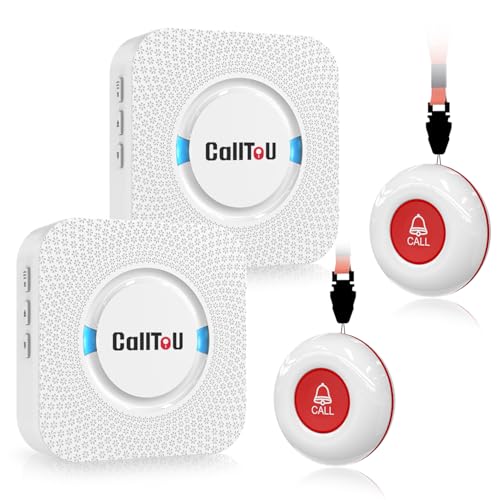
- 2 call buttons and 2 receivers included
- 500+ ft open-area range for home coverage
- 55 tones plus adjustable volume levels
Best For: Caregivers who need a simple, audible help-call system across multiple rooms.
Best for Emergency ID

- Shows critical medical info for first responders
- High-visibility design for quick identification
- Comfortable seatbelt cover for travel
Best For: Caregivers and individuals who want visible medical ID information in the car.
Best for Instant Chair & Bed Alerts

- Immediate alarm when the cord pulls free
- Simple clip-on setup with included battery
- Compact, durable build for bedside or wheelchair use
Best For: Caregivers who need a straightforward alarm for beds, chairs, or wheelchairs.
Best Medical ID Necklace
Medical Alert ID Necklace for Epilepsy

- Laser-engraved EPILEPSY text is easy to read
- 316L stainless steel is durable and skin-friendly
- Adjustable chain works for kids and adults
Best For: Caregivers and families wanting a straightforward medical ID necklace for everyday seizure safety.
Best for Quick Identification
Epilepsy Medical Alert Wallet Card

- Credit-card size for easy everyday carry
- Waterproof PVC construction for durability
- Two-pack for backup placement
Best For: Caregivers and individuals who want a simple emergency ID card for fast seizure recognition.
Best for QR Emergency Info
QR Code Medical Alert Silicone Wristband

- Stores expanded emergency details via QR code
- Waterproof silicone build for daily wear
- Fits wrists up to 8 inches
Best For: Caregivers who want a discreet medical ID bracelet with more emergency info than engraving alone.
Best Multi-Pack Option
Lyndong 4 Pack Silicone Medical Alert Bracelets

- Four-pack provides handy backups or shared use
- Soft silicone is comfortable for everyday wear
- Medical alert styling supports fast emergency ID
Best For: Caregivers needing multiple lightweight alert bracelets for routine use and spares.
Best Clip-On Medical ID
Medical Alert Keychain Tag (Epilepsy)

- Clip-on tag for keys, bags, or backpacks
- Clearly marked for epilepsy and other conditions
- Lightweight, discreet, and easy to carry daily
Best For: Caregivers and families who want a simple everyday medical ID for fast emergency recognition.
Best ID Tag Option
Medical Alert Customized ID Bracelet

- Free custom engraving for emergency details
- Adjustable fit for everyday wear
- Simple, visible medical ID for seizure safety
Best For: Caregivers who need an affordable, customizable medical ID bracelet for daily emergency identification.
Best for Seizure Info Access – MediPal Epilepsy Seatbelt ID Tag
If you’re comparing epilepsy safety devices for caregivers, this seatbelt ID tag stands out for giving first responders fast access to seizure-specific details in a format that travels with the person. It combines high-visibility placement with a fill-in health profile so caregivers can document triggers, rescue meds, contacts, allergies, and the best response plan in one place.
Best For: Caregivers who want a compact, portable medical ID solution with detailed epilepsy information for cars, wheelchairs, bags, or belts.
Pros:
- Seatbelt-mounted design keeps critical epilepsy details easy to spot in an emergency.
- Includes a detailed health profile for seizure type, triggers, meds, rescue therapy, and contacts.
- Reusable tri-fold form plus downloadable PDF makes updates simple over time.
- Transfers easily to seatbelts, backpacks, purses, wheelchairs, and walker bars.
Cons:
- Requires manual setup or form completion before it’s ready to use.
- Works best as an alert and information aid, not as a protective safety device.
This is a practical pick for families who want epilepsy safety devices for caregivers that help communicate the right information quickly without adding bulk. Its value is strongest when the goal is clear emergency identification and a more complete seizure response summary.
Best for Multi-Room Care Alerts – CallToU Wireless Caregiver Pager System
If you need one of the more practical epilepsy safety devices for caregivers, this CallToU pager system offers simple one-button help calls with two receivers and two transmitters. It’s a straightforward way to keep alerts audible across different rooms without relying on a smartphone app.
Best For: Caregivers who want a reliable plug-in alert system for home use, especially when the person needing help may move between rooms.
Pros:
- Includes 2 call buttons and 2 plug-in receivers for broader coverage
- 500+ ft open-area range helps alerts reach multiple rooms
- 55 ringtones and 5 volume levels make it easier to customize alerts
- Waterproof and dustproof design adds peace of mind in bathrooms or outdoors
Cons:
- Receivers must stay plugged into an outlet
- Range can be reduced by walls and home layout
- Not a medical monitoring device or app-based alert system
As epilepsy safety devices for caregivers go, this is a low-friction option that focuses on fast audible notification rather than complex setup. It works best in a home where caregivers want a dependable, easy-to-hear call system for everyday supervision.
Best for Emergency ID – Protect Me Seatbelt Cover
If you’re comparing epilepsy safety devices for caregivers, this seatbelt cover stands out for its built-in medical information display. It’s designed to make critical details easier for first responders to spot quickly, while also adding a simple layer of reassurance during travel.
Best For: Caregivers and individuals who want visible medical ID information on a car seat belt for faster emergency response.
Pros:
- Displays critical medical details for EMTs and first responders.
- High-visibility design helps with quick identification in emergencies.
- Comfort-focused fit for everyday travel use.
Cons:
- Useful as an ID aid, but not a substitute for a full medical alert system.
- Only helps when the seat belt is visible to responders.
For families building out epilepsy safety devices for caregivers, this is a practical low-tech option that prioritizes fast access to information over complex features. It makes the most sense as a travel-ready support accessory paired with other emergency planning tools.
Best for Instant Chair & Bed Alerts – SAM-1 Pull Cord Alarm
If you need a simple, reliable option among epilepsy safety devices for caregivers, this pull-cord chair and bed alarm offers immediate alerts when a patient tries to stand up unassisted. It’s a practical choice for monitoring seniors, dementia patients, wheelchair users, or anyone at risk of falls or wandering.
Best For: Caregivers who want a straightforward, low-maintenance alarm for beds, chairs, and wheelchairs.
Pros:
- Alerts instantly when the cord disconnects, helping catch unsafe standing attempts right away
- Simple setup with included battery, clip, and hook-and-loop mounting strip
- Compact, durable ABS build with a flashing visual indicator
- Trusted long-term use in home care, hospitals, and nursing facilities
Cons:
- Requires the cord to be properly clipped to clothing for reliable use
- No on/off switch, so it’s not ideal if you want manual control at the device
- Designed for alerting caregivers, not for tracking location or continuous motion data
For caregivers who want a basic alert system rather than a smart monitor, the SAM-1 is a dependable fit. It won’t replace a full safety plan, but it can be a useful layer in epilepsy safety devices for caregivers when the priority is knowing immediately that someone has gotten up.
Best Medical ID Necklace – Medical Alert ID Necklace for Epilepsy
If you want a simple, highly visible way to support seizure care, this medical alert necklace is a practical pick among epilepsy safety devices for caregivers. The laser-engraved EPILEPSY marking is easy to read, and the stainless steel build is made for everyday wear.
Best For: Caregivers, parents, and adults who want a durable, low-maintenance medical ID necklace for day-to-day safety.
Pros:
- Clear all-caps EPILEPSY engraving for quick recognition in an emergency
- 316L stainless steel is waterproof, non-allergenic, and corrosion-resistant
- Adjustable 23.6-inch chain fits children, teens, and adults
- Permanent laser marking stays readable over time
Cons:
- Only identifies the condition; it does not provide active alerting or tracking
- Necklace format may not suit users who prefer a bracelet or wearable tag
For families building a basic safety plan, this is one of the more straightforward epilepsy safety devices for caregivers because it keeps the condition visible without adding setup or charging hassles. It’s a sensible everyday medical ID, especially if you want something durable and easy to wear.
Best for Quick Identification – Epilepsy Medical Alert Wallet Card
If you want a simple, low-cost layer in your epilepsy safety devices for caregivers, this wallet card helps first responders and bystanders recognize a seizure disorder fast. The credit-card size makes it easy to carry every day, and the waterproof PVC build is designed for regular use.
Best For: People with epilepsy who want a compact emergency ID card that can be kept in a wallet, bag, car, or workplace for quick recognition.
Pros:
- Clear “I Have Epilepsy” labeling helps speed up recognition in an emergency.
- Durable, waterproof PVC construction stands up to everyday carry.
- Two-pack lets you keep a backup card in another location.
- Compact credit-card size fits easily in wallets, purses, or pockets.
Cons:
- Provides identification, not active seizure monitoring or alerting.
- Only useful if it is actually carried on the person or stored nearby.
As an emergency ID accessory, this is one of the more practical epilepsy safety devices for caregivers because it focuses on fast communication when someone may be unable to speak for themselves. It’s best viewed as a backup safeguard rather than a replacement for medical alert wearables or a seizure response plan.
Best for QR Emergency Info – QR Code Medical Alert Silicone Wristband
If you want a simple, durable way to store emergency details, this QR-code medical alert bracelet is a practical option for families comparing epilepsy safety devices for caregivers. It keeps key medical information accessible on the wrist, which can be helpful during sports, travel, or everyday outings.
Best For: Caregivers who want a waterproof, low-profile medical ID bracelet that can carry more emergency details than a traditional engraved band.
Pros:
- QR code format can hold more emergency information than standard engraving
- Silicone, waterproof design is suited to active wear and daily use
- Fits wrists up to 8 inches, making it easy to size for many adults
Cons:
- QR-based info depends on a phone or scanner to access details
- Not a substitute for a fully comprehensive emergency response plan
For caregivers seeking epilepsy safety devices for caregivers, this bracelet is a sensible, low-fuss way to make critical information easier to find when every second matters. It’s especially useful if you want a wearable ID that balances everyday comfort with expanded emergency details.
Best Multi-Pack Option – Lyndong 4 Pack Silicone Medical Alert Bracelets
If you want a simple, low-cost add-on to your epilepsy safety devices for caregivers toolkit, this 4-pack of silicone medical alert bracelets is built for everyday wear and quick visibility. The soft material makes it easy to keep on hand for school, travel, home, or spare replacements.
Best For: Caregivers who want multiple lightweight medical alert bracelets for different family members, backups, or frequent use.
Pros:
- Includes four bracelets, which is useful for backups or multiple users.
- Soft silicone design is comfortable for daily wear.
- Medical alert style improves quick identification in an emergency.
Cons:
- Basic bracelet design may not offer advanced ID features.
- Fit and sizing may not suit every wrist equally well.
For caregivers building out epilepsy safety devices for caregivers, this is a practical, no-fuss option when you mainly need clear alert identification and extra pieces on standby.
Best Clip-On Medical ID – Medical Alert Keychain Tag (Epilepsy)
If you want a simple, visible way to help communicate critical health info fast, this clip-on tag fits well among epilepsy safety devices for caregivers. It is lightweight, easy to attach to daily carry items, and can help first responders identify epilepsy or other urgent conditions when the wearer cannot speak.
Best For: Caregivers, parents, and family members who want a low-cost, everyday medical ID for a backpack, purse, or keyring.
Pros:
- Clear medical alert labeling for epilepsy and other emergency conditions
- Swivel clip makes it easy to attach to keys, bags, purses, or belt loops
- Lightweight, discreet, and designed for everyday carry
- Useful for kids, adults, and seniors alike
Cons:
- Only provides basic visual ID, not detailed medical information
- Clip-on format may not be as secure as a wrist or necklace medical ID
- Small tag size may be harder to spot at a distance
As a practical add-on to epilepsy safety devices for caregivers, this tag works best as a visible backup that helps first responders quickly recognize a medical condition. It is a straightforward choice if you want something portable, affordable, and easy to keep on hand every day.
Best ID Tag Option – Medical Alert Customized ID Bracelet
If you’re comparing epilepsy safety devices for caregivers, this customized medical alert bracelet is a simple, low-tech way to make sure critical information is visible in an emergency. The adjustable wristband and free engraving make it easy to add seizure-related details, emergency contacts, or other medical notes caregivers want first responders to see fast.
Best For: Caregivers who want an inexpensive, customizable alert bracelet for daily wear and emergency identification.
Pros:
- Free custom engraving for important medical and contact details
- Adjustable fit for men, women, and teens
- Clear medical ID style helps communicate urgent information quickly
- Simple, wearable backup for seizure safety planning
Cons:
- Does not include electronic alert or GPS features
- Limited to the information that can fit on the bracelet
- Basic design may feel less specialized than dedicated seizure tech
As one of the more practical epilepsy safety devices for caregivers, this bracelet works best as a visible identification tool rather than an active monitoring solution. It’s a smart add-on for families who want an easy, affordable way to keep emergency details on hand at all times.
How We Picked These Epilepsy Safety Devices for Caregivers
We prioritized products that improve visibility, communication, and response time. That means devices that clearly identify epilepsy, store emergency details, or help caregivers receive alerts when someone needs assistance. We also looked for simple setup, everyday wearability, and formats that fit different care environments.
Quick Comparison
In this group, some products are best for immediate identification, such as bracelets, necklaces, wallet cards, seatbelt tags, and keychain IDs. Others are designed for active monitoring or calling help, such as pager-style alert systems and bed or chair alarms. The best choice depends on whether your main goal is recognition, location awareness, or rapid communication.
Key Buying Factors for Epilepsy Safety Devices for Caregivers
Visibility and Clarity
Medical ID products should be easy to spot and clearly legible. Look for obvious epilepsy labeling, durable engraving, and enough space for emergency instructions, medications, triggers, allergies, and contacts when applicable.
Wearability and Daily Comfort
For items worn on the body, consider comfort, adjustability, water resistance, and whether the person will actually keep it on. Silicone bands, lightweight necklaces, and compact bracelets often work well for daily use, while wallet cards and keychain tags are useful backups.
Alert and Monitoring Function
If supervision is a priority, alert systems can help caregivers respond faster. Pay attention to range, receiver count, button placement, alarm volume, and whether the device suits home, bedside, or mobility use.
Durability and Backup Redundancy
For Epilepsy Safety Devices for Caregivers, redundancy matters. A person may wear a bracelet, carry a wallet card, and keep a seatbelt tag or keychain ID as backup. Durable construction is especially important for travel, outdoor use, and daily wear.
Who Should Buy Which Epilepsy Safety Devices for Caregivers?
If you need fast identification in public, choose a bracelet, necklace, wallet card, or keychain ID. If the person spends time in a car, a seatbelt tag can improve emergency visibility. For caregivers managing higher supervision needs at home, a call system or bed/chair alarm may be the most useful choice. The best setup is often a layered one: one visible ID, one backup ID, and one alert solution if monitoring is needed.