Living with epilepsy often means planning for the moments you cannot predict. The right safety tools can help communicate vital information quickly, reduce confusion during an emergency, and support everyday confidence.
This roundup highlights practical epilepsy safety devices for daily living, from wearable alerts and ID cards to monitored systems with caregiver support. The goal is simple: help you match the device to your routine, comfort level, and response needs.
Best 10 Epilepsy Safety Devices for Daily Living Picks for 2026
Best for Seizure Info Visibility
MediPal Epilepsy Alert Seatbelt Tag

- Detailed epilepsy health profile for emergencies
- Reflective, high-visibility seatbelt placement
- Transfers to cars, bags, wheelchairs, and walkers
Best For: People who want a visible medical ID with detailed seizure instructions that travels across daily mobility setups.
Best for Emergency ID
Medical Card Awareness with Writable Panel

- Writable card for seizure and emergency contact details
- Breakaway lanyard for safer everyday wear
- Clear holder protects and displays both sides
Best For: People who need a simple wearable medical ID for seizures and emergencies.
Best for Caregiver Coverage
CallToU Wireless Caregiver Pager
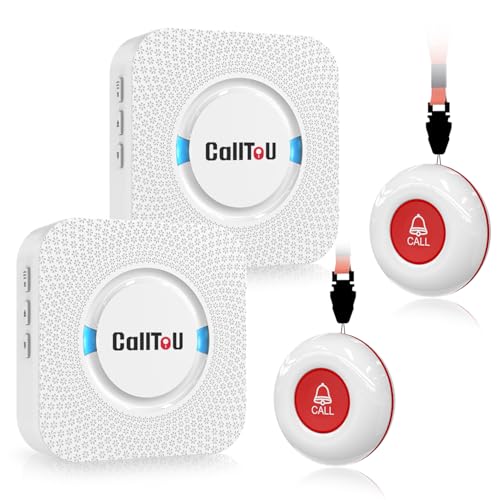
- 2 receivers help cover multiple rooms at once
- 500+ ft range for flexible home placement
- Waterproof call buttons suit bathrooms and bedside use
Best For: Families wanting a simple multi-room alert system for home caregiving.
Best for Seizure Response

- Step-by-step seizure assistance instructions
- Personalized photo for quick identification
- Wallet-size plastic card with emergency contacts
Best For: People who want a compact everyday medical ID that helps others respond quickly during a seizure.
Best for Discreet ID Carry
Medical ID Keychain with Free Laser Engraving

- Free laser engraving for clear medical details
- Compact and easy to clip onto bags or clothing
- Helpful backup ID for everyday emergencies
Best For: People who want a compact medical ID accessory they can carry every day.
Best for Emergency Contact Readiness
SEIZURES Medical Card with Lanyard
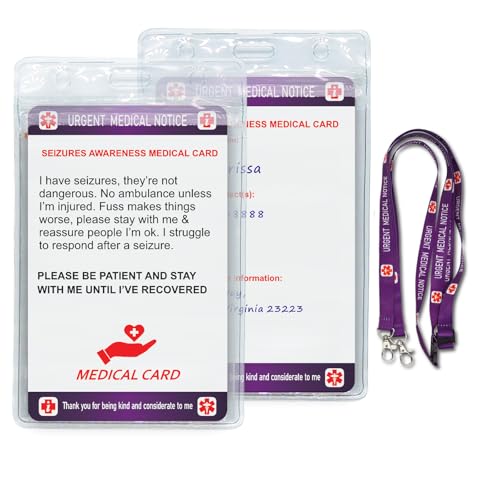
- Writable panel for personalized emergency details
- Includes 2 cards, 2 sleeves, and 2 lanyards
- Credit-card size for easy everyday carry
Best For: People who need a simple, visible seizure ID card for daily carry.
Best for Everyday Medical ID Wear
Epilepsy Silicone Bracelets 5-Pack

- Soft silicone for comfortable daily wear
- 5-pack gives you backups and rotation options
- Visible medical alert style for quick identification
Best For: Adults who want a simple, affordable medical ID bracelet for everyday use.
Best for 24/7 Monitoring
Safety+ 4G Medical Alert System

- 24/7 monitoring with trained emergency operators
- Automatic fall detection plus GPS location tracking
- Caregiver app for alerts, activity, and battery status
Best For: People who want a lightweight wearable alert system with monitoring and caregiver notifications.
Best Watch Band Charm
Epilepsy Medical Alert Watch Charm

- Slides onto compatible smartwatch bands
- Displays EPILEPSY with caduceus symbol
- Lightweight aluminum for everyday wear
Best For: Smartwatch users who want a discreet epilepsy medical alert marker.
Best GPS Alert Bracelet
SecuLife SOS Wristband with Fall Detection

- SOS button and automatic fall detection
- GPS tracking with geofence alerts
- Two-way calling and caregiver app support
Best For: Families who want a wearable alert device with live tracking and quick caregiver communication.
Best for Seizure Info Visibility – MediPal Epilepsy Alert Seatbelt Tag
If you want epilepsy safety devices for daily living that make emergency communication faster, this seatbelt tag is a practical choice. It keeps seizure details, triggers, medications, allergies, and response instructions in one visible place, with a reflective trim and an easy-transfer design for cars, bags, wheelchairs, and walkers.
Best For: People who want a highly visible medical ID that can store detailed seizure instructions and travel easily between everyday mobility setups.
Pros:
- Includes a structured epilepsy health profile for seizure type, triggers, meds, rescue therapy, and contacts
- Reflective trim and seatbelt placement help make the ID easier to notice in an emergency
- Slides along standard seatbelts and can transfer to backpacks, belts, and mobility aids
- Printable PDF version makes it easier to update information over time
Cons:
- Works best for users who can keep the form completed and current
- Primarily a medical ID solution, not a seizure detection or alerting device
- May be more information-heavy than simpler everyday ID tags
This is a strong fit if your priority is fast-access medical information rather than active monitoring. Among epilepsy safety devices for daily living, it stands out for combining visibility, portability, and detailed seizure documentation in a compact format.
Best for Emergency ID – Medical Card Awareness with Writable Panel
If you’re comparing epilepsy safety devices for daily living, this emergency medical card set is a simple way to keep seizure information visible and accessible. It pairs a writable PVC card with a breakaway lanyard and clear holder, so you can carry contact details, allergy notes, or seizure instructions in a practical format.
Best For: People who want a low-cost, wearable medical ID solution for seizures and other emergency alerts.
Pros:
- Writable emergency card lets you add personal and contact information
- Breakaway fabric lanyard adds a safety-minded wear option
- Clear double-sided holder keeps both sides readable and protected
- Waterproof card construction helps the ID hold up in daily use
Cons:
- Not a monitoring device or alert system on its own
- Requires you to handwrite and maintain the information
- More useful as ID support than as a stand-alone safety tool
As a simple wearable ID solution, this set is a practical add-on rather than a medical alert gadget, but it still earns a place among epilepsy safety devices for daily living because it helps responders quickly find critical information when seconds matter.
Best for Caregiver Coverage – CallToU Wireless Caregiver Pager
If you need a simple alert system that can support epilepsy safety devices for daily living, this CallToU pager is a practical option for home use. With two call buttons and two plug-in receivers, it lets a caregiver hear an alert in more than one room, making it easier to respond quickly during routine care or after a seizure-related need for help.
Best For: Homes that want a low-cost, easy-to-install call alert system with multiple receivers for different rooms.
Pros:
- Two transmitters and two receivers help cover more than one caregiving area.
- 500+ foot open-area range supports use across bedrooms, kitchens, and living spaces.
- 55 ringtones and adjustable volume make it easier to tailor alerts to your environment.
- Waterproof, dustproof buttons add flexibility for bathrooms or other higher-risk areas.
Cons:
- Receivers must stay plugged into an outlet, so placement depends on available power.
- It is an alert system, not a monitoring device, so it does not detect seizures on its own.
- The basic design is functional rather than especially discreet or smart-home focused.
For families comparing epilepsy safety devices for daily living, this model stands out for straightforward setup and room-to-room coverage. It is a good fit when the priority is fast, audible communication rather than advanced tracking features.
Best for Seizure Response – Epilepsy Medical Photo ID
If you want one of the simplest epilepsy safety devices for daily living, this medical ID card focuses on fast, clear communication during a seizure emergency. It gives responders step-by-step guidance, includes a personalized photo for quick identification, and keeps contact details handy in a compact wallet-size format.
Best For: People with epilepsy who want a practical everyday ID card that helps bystanders and first responders act quickly and contact family.
Pros:
- Clear seizure-response instructions help guide bystanders in the moment
- Personalized photo and name improve fast identification
- Emergency contact space adds useful backup for caregivers and family
- Wallet-size plastic card is durable and easy to carry daily
Cons:
- Does not replace a full medical alert system or wearable device
- Helpful only if it is kept on the person and easily found
This is a good low-fuss option for shoppers comparing epilepsy safety devices for daily living because it prioritizes clarity, portability, and emergency readiness without adding bulk or complexity.
Best for Discreet ID Carry – Medical ID Keychain with Free Laser Engraving
If you want a simple way to keep medical information close at hand, this medical ID keychain is a practical add-on for epilepsy safety devices for daily living. It clips easily to bags or clothing, and the free laser engraving helps first responders see essential details fast.
Best For: People who want a compact, low-profile medical ID accessory they can carry every day on a keychain, bag, or jacket.
Pros:
- Free laser engraving for clear, permanent medical information
- Compact design is easy to attach to bags or clothing
- Useful as a quick-identification backup during emergencies
Cons:
- Not a full monitoring or alert system
- Limited to the space available on the keychain for details
For shoppers comparing epilepsy safety devices for daily living, this keychain is a straightforward, affordable way to improve visibility of critical medical info without adding bulk. It works best as a simple identification tool rather than a wearable alert solution.
Best for Emergency Contact Readiness – SEIZURES Medical Card with Lanyard
SEIZURES Medical Card with Writable Panel and Patterned Lanyard Emergency Contact Card
Check Price On AmazonIf you want a simple way to carry critical details, this SEIZURES Medical Card set fits neatly into epilepsy safety devices for daily living. The credit-card size makes it easy to keep on a lanyard, and the writable panel helps you add patient information and emergency contacts without much setup.
Best For: People who want a lightweight, visible ID solution for seizures or other medical emergencies.
Pros:
- Writable card lets you customize key medical and contact details.
- Credit-card size is easy to carry in a sleeve or on the included lanyard.
- Includes two cards, two sleeves, and two lanyards for extra value.
- Useful as a quick-reference emergency note for first responders.
Cons:
- Not an electronic alert device or monitoring system.
- Small card format limits how much information you can include.
As a low-tech backup, this set makes sense for anyone building out epilepsy safety devices for daily living, especially if visibility and easy access matter more than advanced features. It is best viewed as an emergency ID aid rather than a treatment or tracking tool.
Best for Everyday Medical ID Wear – Epilepsy Silicone Bracelets 5-Pack
Epilepsy Silicone Bracelets Medical Alert (5 Pack) Wristbands Adult Size for Men Women 7.8"
Check Price On AmazonFor shoppers comparing epilepsy safety devices for daily living, these silicone medical alert bracelets offer a simple, low-fuss way to keep condition information visible every day. The 5-pack makes it easy to rotate bands, share extras, or keep backups on hand for work, home, or travel.
Best For: Adults who want a comfortable, affordable medical ID bracelet they can wear daily without much maintenance.
Pros:
- Soft silicone design is comfortable for all-day wear
- Medical alert style helps make epilepsy information visible quickly
- Five-pack adds value and gives you spares for different situations
- Adult 7.8″ size suits many men and women
Cons:
- Not a high-tech tracking or alarm device
- One-size style may not fit every wrist perfectly
This is a practical choice if you want a straightforward, wearable identifier rather than a complex gadget. Among epilepsy safety devices for daily living, it stands out for simplicity, comfort, and backup value.
Best for 24/7 Monitoring – Safety+ 4G Medical Alert System
If you’re comparing epilepsy safety devices for daily living, this Safety+ 4G Medical Alert System is a practical option for people who want monitoring, fall detection, and GPS support in one wearable device. It’s designed for use at home and away from home, with caregiver alerts and no smartphone required for activation.
Best For: Adults and seniors who want a lightweight medical alert device with automatic fall detection, GPS location tracking, and caregiver notifications.
Pros:
- Includes 24/7 nationwide monitoring with emergency operator support
- Automatic fall detection and GPS location add reassurance during seizures or emergencies
- Caregiver app shows activity, battery status, location, and emergency alerts
- Water-resistant, wearable, and easy to activate without a smartphone
Cons:
- Requires an ongoing subscription after the first included month
- Works best as a monitoring tool, not a seizure-specific detection system
For buyers prioritizing coverage, mobility, and quick response, this device fits well among epilepsy safety devices for daily living. Its strongest advantage is the mix of fall detection, GPS, and live monitoring, though the monthly service cost is an important factor to weigh.
Best Watch Band Charm – Epilepsy Medical Alert Watch Charm
If you want a discreet way to add medical identification to your wristwear, this epilepsy watch charm is a simple option to consider. It slides onto a smart watch band and clearly shows the word EPILEPSY plus a caduceus symbol, making it one of the more straightforward epilepsy safety devices for daily living.
Best For: Anyone who wears a smartwatch and wants a lightweight, low-profile medical alert marker without replacing the band.
Pros:
- Clearly identifies epilepsy for emergency responders
- Lightweight aluminum keeps it unobtrusive for everyday wear
- Easy slide-on design works with compatible watch bands
- Combines medical alert function with a clean, minimal look
Cons:
- Band is not included, so you need a compatible watch strap
- Only works as a charm, not a full medical ID device
- Small size may be easy to overlook if not positioned well
As a wearable identifier, this charm is best suited to people who already rely on a smartwatch and want an added layer of visibility without bulk. For shoppers comparing epilepsy safety devices for daily living, it stands out for being practical, simple, and easy to keep on every day.
Best GPS Alert Bracelet – SecuLife SOS Wristband with Fall Detection
If you want one of the more feature-rich epilepsy safety devices for daily living, this SecuLife SOS Wristband combines fall detection, SOS calling, GPS tracking, and geofencing in a single wearable. It’s designed for families who need quick alerts, location visibility, and two-way communication in a simple wristband format.
Best For: Seniors, children, or anyone who needs a wearable safety alert device with live tracking and caregiver communication.
Pros:
- Automatic fall detection plus a one-touch SOS button
- Real-time GPS tracking with geofence alerts for safer daily monitoring
- Two-way calling and caregiver app support make check-ins easier
- Screen-free, lightweight design is comfortable for everyday wear
Cons:
- Requires a $25 monthly subscription
- Battery life and cellular coverage may affect reliability in some areas
As a daily safety tool, it stands out more for location awareness and rapid caregiver response than for any epilepsy-specific medical function, so it works best when paired with a clear care plan. For families comparing epilepsy safety devices for daily living, the balance of SOS alerts, fall detection, and tracking makes it a practical all-around option.
How We Picked These Epilepsy Safety Devices for Daily Living
We focused on devices that help during real-world seizure-related emergencies and everyday routines. That means clear medical identification, simple communication of key details, caregiver alert features, and options that fit different levels of support. We also looked for comfort, visibility, ease of use, and whether the device is useful at home, on the go, or both.
Quick Comparison
Some products are best for immediate medical ID, such as cards, bracelets, charms, and seatbelt tags that share seizure type, triggers, medications, allergies, and emergency contacts. Others are better for active monitoring, like caregiver pagers and connected alert systems with SOS buttons, fall detection, GPS, and two-way communication. The best choice depends on whether your priority is fast information sharing, live monitoring, or both.
Key Buying Factors for Epilepsy Safety Devices for Daily Living
Visibility and Speed of Information
In an emergency, first responders need to find the right details fast. Look for formats that are easy to notice and simple to read, especially if the user may be unable to speak.
What Information the Device Can Hold
For Epilepsy Safety Devices for Daily Living, the most helpful products often include seizure type, known triggers, best response steps, current meds, allergies, and emergency contacts. The more complete the information, the more useful the device may be in a crisis.
Wearability and Daily Comfort
Bracelets, keychains, watch charms, lanyards, and seatbelt tags each solve different problems. Choose a style the person will actually wear or keep with them consistently, because the best device is the one that is always available when needed.
Alert and Monitoring Features
If you want live support, look for SOS buttons, caregiver call systems, fall detection, GPS tracking, geofencing, and two-way calling. These features can be especially valuable for people who spend time alone, travel frequently, or need a faster response pathway.
Who Should Buy Which Epilepsy Safety Devices for Daily Living?
If you want the simplest setup, a medical ID bracelet, card, or seatbelt tag is a strong starting point. If you care for someone at home, a wireless caregiver pager can make it easier to request help quickly. For users who need broader protection outside the house, monitored systems with GPS and emergency response may be the better investment. Many families combine one visible ID product with one alert device for stronger coverage.
When comparing Epilepsy Safety Devices for Daily Living, focus on the person’s routine first, then add the features that support it best. That approach usually leads to a safer, more practical choice.