Finding the right helmet for a child with seizures is about more than padding. Comfort, fit, coverage, and everyday wearability all matter when protection needs to be dependable.
This roundup highlights the best options for families looking for practical, child-friendly protection without making safety gear feel overwhelming or difficult to wear.
Best 10 Protective Helmets for Children with Seizures Picks for 2026
Best Soft-Fit Protection
Ribcap Lenny Kids Medical Grade Protective Helmet

- Soft medical-grade design for everyday wear
- Comfort-oriented alternative to rigid helmets
- Aims to reduce impact risk during seizure-related falls
Best For: Children who need a softer, more wearable helmet for seizure-related protection.
Best Ventilated Pick
Danmar Soft Shell Helmet, Medium, Royal Blue

- Lightweight soft-shell design for everyday comfort
- Fully ventilated to improve airflow
- Adjustable chinstrap and multiple size/color options
Best For: Children or adults who need a breathable, adjustable helmet for special-needs head protection.
Best Multi-Sport Kit
Adjustable Kids Protective Helmet Set

- Adjustable fit with dial and chin strap
- Includes knee, elbow, and wrist protection
- Ventilated, padded design for active kids
Best For: Kids who need a versatile protective set for biking, skating, and other active play.
Best Breathable Everyday Fit
Thick Protection Helmet for Epilepsy & Falls
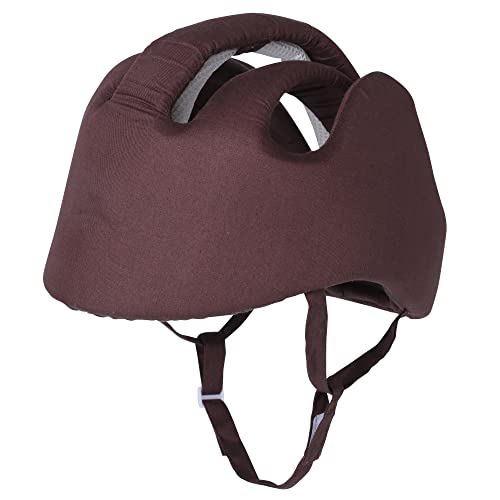
- Soft XPE foam cushioning for light impact absorption
- Very lightweight and breathable for longer wear
- Adjustable fit works for a broad head-size range
Best For: Kids, teens, and adults who need a soft, lightweight helmet for seizure-related or fall-related head protection.
Best Cap-Style Fit
Ribcap Medical Helmet for Kids

- Baseball-cap look feels less medical
- Soft design with chin strap
- Comfort-first choice for daily wear
Best For: Kids who need a softer, more discreet protective helmet for seizures.
Best for Easy Fit

- Ultra-low shell increases head coverage
- Pinch-free magnetic buckle is kid-friendly
- Reflective details boost low-light visibility
Best For: Kids who need an adjustable, easy-to-use helmet for biking, scooting, or skating.
Best Adjustable Fit
Soft Adjustable Helmet for Epilepsy

- Breathable soft-cap design for more comfortable wear
- Adjustable hook-and-loop closure for a wider fit range
- Washable and easy to clean after regular use
Best For: Families wanting a soft, adjustable protective cap for everyday wear and easier sizing.
Best Heavy-Duty Pick

- Low-profile shell covers more of the head than many kid helmets.
- Magnetic buckle makes on/off quick and pinch-free.
- Reflective details help with visibility in dim light.
Best For: Kids who need an adjustable, comfortable helmet for biking, scooting, or skating.
Best Simple Pick
Baby Toddler Soft Headguard Helmet

- Adjustable 43-60 cm fit for growing toddlers
- Soft 58 g design with cotton and breathable IXPE padding
- Washable and easy to reuse for daily wear
Best For: Babies and toddlers who need a lightweight, adjustable soft head cushion for everyday bumps.
Best Soft-Fit Protection – Ribcap Lenny Kids Medical Grade Protective Helmet
If you’re comparing protective helmets for children with seizures, the Ribcap Lenny is worth a close look for families who want a softer, less rigid everyday option. It’s designed to help reduce impact risk while offering a more wearable feel than traditional hard-shell styles, which can make it easier for some kids to tolerate during daily routines.
Best For: Children who need a soft protective helmet for seizure-related fall protection and more comfortable routine wear.
Pros:
- Soft, medical-grade design aimed at impact protection with a more comfortable feel
- Kid-friendly profile that may be easier to wear for longer periods
- Useful for families seeking a less bulky alternative to rigid helmets
Cons:
- Soft-helmet design may not suit every level of protection need
- Fit and comfort can vary depending on head shape and sizing
Overall, the Ribcap Lenny stands out as a comfort-first option among protective helmets for children with seizures, especially when wearability matters as much as impact protection. It’s a practical pick for families looking for a softer everyday solution rather than a more rigid sports-style helmet.
Best Ventilated Pick – Danmar Soft Shell Helmet, Medium, Royal Blue
If you’re comparing protective helmets for children with seizures, the Danmar Soft Shell Helmet is a practical option for families who want lightweight coverage without the bulk of a hard-shell design. It’s fully ventilated, easy to adjust, and designed for special-needs use across child and adult sizes.
Best For: Children or adults who need a soft, breathable helmet for everyday head protection and seizure-related safety support.
Pros:
- Lightweight soft-shell build is more comfortable for extended wear
- Fully ventilated design helps with airflow and heat management
- Adjustable snap-closure chinstrap improves fit and security
- Made in the USA and available in multiple colors
Cons:
- Soft-shell construction may not suit users needing maximum impact protection
- Fit depends heavily on accurate head circumference measurement
For families shopping for protective helmets for children with seizures, this Danmar model stands out for comfort, ventilation, and straightforward everyday use. It’s a sensible choice when breathability and a secure fit matter more than a heavy-duty shell.
Best Multi-Sport Kit – Adjustable Kids Protective Helmet Set
If you’re comparing protective helmets for children with seizures, this adjustable helmet set is worth a look for families who want head coverage plus extra pads for active play. It’s designed more like a multi-sport protective gear kit than a medical specialty helmet, but the adjustable fit, soft lining, and included guards can make it a practical option for supervised everyday use.
Best For: Kids who need a versatile, adjustable protective set for biking, skating, scooter use, and other active play.
Pros:
- Adjustable dial and chin strap help fine-tune fit across two size ranges.
- Includes knee pads, elbow pads, and wrist guards for fuller coverage.
- Ventilation holes and soft EVA padding improve comfort for longer wear.
Cons:
- Not a dedicated seizure-specific medical helmet.
- Best suited to sports and play, not severe impact protection needs.
- Fit and sizing may still require careful measuring before purchase.
For families shopping protective helmets for children with seizures, the main draw here is the adjustable fit and added pad set, but it’s important to match the product to the child’s specific medical and safety needs. As a general-purpose protective option, it offers solid value for active kids who need everyday head and limb protection.
Best Breathable Everyday Fit – Thick Protection Helmet for Epilepsy & Falls
If you’re comparing protective helmets for children with seizures, this soft XPE foam helmet is worth a look for everyday wear, light padding, and a simple adjustable fit. It’s designed more like a comfort-focused bump cap than a rigid sports helmet, which can make it easier to keep on during home use or low-impact activities.
Best For: Kids, teens, and adults who need a lightweight, breathable soft helmet for seizure-related head protection or fall-prone daily use.
Pros:
- Lightweight 0.24 lb design is easier for extended wear.
- Breathable top-hollow style helps reduce heat buildup.
- Adjustable hook-and-loop sizing fits a wide head range.
- Soft XPE foam cushioning adds impact absorption for minor bumps and falls.
Cons:
- Not a hard-shell helmet for high-impact protection.
- Hand wash only, so cleaning takes a little extra care.
- Fit and coverage may be too basic for more active users.
For families shopping protective helmets for children with seizures, the main appeal here is comfort: it’s soft, breathable, and easy to adjust for everyday wear. If your priority is a lightweight head protector for supervised home use or mild fall risk, this is a practical option.
Best for Easy On/Off – woom READY Kids' Helmet
If you’re comparing protective helmets for children with seizures, the woom READY Kids’ Helmet is worth a close look for its low-profile coverage, easy magnetic buckle, and adjustable fit. It’s designed for young riders who need comfort, visibility, and reliable everyday protection while biking, scooting, or skating.
Best For: Kids who need a comfortable, easy-to-secure helmet with extended coverage and reflective details for everyday riding.
Pros:
- Ultra-low shell adds coverage over the forehead, temples, and back of the head.
- Magnetic Snap + Go clasp is simple to use and helps prevent pinching.
- Reflective details on the logo, straps, and dial improve low-light visibility.
- Adjustable sizing and strong ventilation support a secure, cooler fit.
Cons:
- Fit depends on accurate head measurement, so sizing needs care.
- It’s a general sports helmet, not a medical-device seizure helmet.
For families shopping protective helmets for children with seizures, this model stands out more for easy fastening, stable adjustment, and broader coverage than for any seizure-specific certification. It makes sense when you want a practical, child-friendly helmet for active use with added comfort and visibility.
Best Cap-Style Fit – Ribcap Medical Helmet for Kids
If you want protective helmets for children with seizures that look more like everyday headwear, this Ribcap kids model is worth a close look. Its baseball-cap style design and soft protective build make it a practical option for daily wear when comfort and less-obtrusive styling matter.
Best For: Kids who need a softer, cap-style protective helmet for seizures, mild impact protection, and more comfortable routine use.
Pros:
- Discreet baseball-cap look is easier for many kids to accept
- Soft helmet design with chin strap helps keep it in place
- Good choice for everyday wear when comfort is a priority
- Lower-profile styling than bulkier protective helmets
Cons:
- Not a substitute for higher-level protection needs
- Cap-style fit may not suit every head shape equally well
- More focused on comfort and coverage than heavy-duty impact protection
For families comparing protective helmets for children with seizures, this Ribcap stands out for its wearable, kid-friendly design rather than maximum coverage. It is a strong pick when the goal is to encourage regular use without making the helmet feel overly medical.
Best for Easy Fit – woom Ready Kids' Helmet
If you’re comparing protective helmets for children with seizures, the woom Ready Kids’ Helmet stands out for its secure fit, low-profile coverage, and pinch-free buckle that makes daily use easier for parents and kids. It’s built for riding, scooting, and skating, with extra visibility features that help in low-light conditions.
Best For: Children who need a comfortable, adjustable helmet with added coverage and easy on-and-off use for active play.
Pros:
- Ultra-low shell adds coverage at the forehead, temples, and back of head
- Magnetic Snap + Go clasp is quick, easy, and pinch-free
- Reflective details improve visibility in dim conditions
- Adjustable fit and strong ventilation help with comfort
Cons:
- Sizing must be measured carefully for the right fit
- Not a specialized medical helmet for seizure-specific protection
Overall, this is a practical everyday option for families who want a well-ventilated, easy-to-use helmet that may suit some needs associated with protective helmets for children with seizures, while still being primarily designed for biking and similar activities.
Best Adjustable Fit – Soft Adjustable Helmet for Epilepsy
If you want a softer, more flexible option in protective helmets for children with seizures, this cap-style helmet is built around comfort and day-to-day wear. It uses a breathable, impact-resistant design with an adjustable hook-and-loop closure, making it easier to dial in a secure fit for different head sizes.
Best For: Families looking for a soft, washable protective cap that can be adjusted for growing kids or shared use across similar head sizes.
Pros:
- Soft, breathable construction is more comfortable for extended wear
- Wide adjustable range with repeated hook-and-loop fastening
- Hollow top design helps reduce heat buildup
- Washable for easier cleaning after regular use
Cons:
- Product details are oriented toward adults, so pediatric fit should be checked carefully
- Soft cap design may not suit users needing maximum rigid-impact protection
This is a practical pick if comfort and adjustability matter more than a bulky hard-shell feel. For protective helmets for children with seizures, it’s worth measuring carefully to make sure the fit is snug enough for reliable everyday use.
Best Heavy-Duty Pick – woom Ready Kids' Helmet
The woom READY Kids’ Helmet is a practical option for parents comparing protective helmets for children with seizures, especially if you want a secure fit, easy fastening, and added coverage for active everyday use. Its low-profile shell, adjustable sizing, and reflective details make it a solid pick for biking, scooting, skating, and other supervised outdoor activities.
Best For: Young kids who need a comfortable, adjustable helmet with extra coverage and simple magnetic buckling.
Pros:
- Ultra-low shell adds coverage across the forehead, temples, and back of the head.
- Magnetic Snap + Go clasp is easy for small hands and helps avoid pinches.
- Size adjustment system and internal channels help create a snug, cooler fit.
- Reflective logo, straps, and dial improve low-light visibility.
Cons:
- May be more helmet than needed for families who only want the simplest basic option.
- Fit still depends on careful head measurements before buying.
Overall, this helmet stands out for comfort, adjustability, and kid-friendly ease of use. For families evaluating protective helmets for children with seizures, that combination of coverage, visibility, and secure fastening can be especially reassuring during daily outings.
Best Simple Pick – Baby Toddler Soft Headguard Helmet
If you’re comparing protective helmets for children with seizures, this soft headguard is worth a look for families who want lightweight cushioning and an easy adjustable fit. It’s designed more like a padded cap than a rigid helmet, making it a practical everyday option for little ones who need help with bumps during crawling, walking, and play.
Best For: Babies and toddlers ages 6-60 months who need a soft, adjustable cushion for minor bump protection and daily wear.
Pros:
- Adjustable magic-tape closure fits head circumferences from 43 cm to 60 cm.
- Very lightweight at 58 g, with soft cotton fabric and breathable IXPE cushioning.
- Washable and reusable, which helps for regular everyday use.
Cons:
- Soft padding may not suit families looking for more impact protection.
- Some children may need time to get used to wearing it.
Overall, this is a comfortable, budget-friendly style for light head protection rather than a medical-grade solution. For families shopping protective helmets for children with seizures, it’s important to confirm with a clinician whether a soft headguard like this matches the child’s specific safety needs.
How We Picked the Best Protective Helmets for Children with Seizures
We focused on Protective Helmets for Children with Seizures that balance impact protection, secure fit, comfort, and ease of use. We also looked for child-appropriate sizing, adjustable closures, soft or low-profile designs, and styles that can be worn regularly without excessive bulk.
Quick Comparison
Soft medical helmets are usually the best fit when the main concern is head protection from falls or impacts during seizure events. Sports-style helmets may offer more structure, but they can be heavier and less comfortable for all-day wear. Cap-style and soft-shell designs often work better for children who need a less intimidating option, while adjustable youth helmets can be helpful when a child also needs protection for active play.
Key Buying Factors for Protective Helmets for Children with Seizures
Fit and Adjustability
A helmet should stay secure without pressure points. Look for adjustable straps, dial systems, or flexible sizing that can accommodate growth and different hair types. A poor fit can reduce protection and make a child less likely to wear it.
Coverage and Protection Type
Consider where injuries are most likely to happen. Some children need broader coverage around the temples, forehead, and back of the head, while others benefit from lighter protection for frequent daily wear. Soft helmets are often preferred for seizure-related fall protection, but the best choice depends on the child’s needs and clinician guidance.
Comfort and Wear Time
If a child must wear a helmet for long periods, ventilation, weight, and interior padding become especially important. A more comfortable helmet is more likely to be tolerated during school, therapy, and play.
Ease of Cleaning
Because these helmets may be worn often, removable or wipe-clean materials are a practical advantage. Easy maintenance helps keep the gear fresh and ready for use.
Visibility and Everyday Use
For children who wear a helmet in public, a lower-profile look can improve confidence and compliance. Reflective details and familiar cap-like shapes can also help with visibility and acceptance.
Who Should Buy Which Protective Helmets for Children with Seizures?
Choose a soft medical helmet if your priority is comfortable, everyday protection for seizures and falls. Choose a more structured youth helmet if the child also needs protection for biking or active play. Choose a cap-style option if you want a less clinical look and easier routine wear. For very young children, lightweight adjustable head protection may be the simplest place to start. In all cases, match the helmet to the child’s specific risks, age, and fit needs, and consult a medical professional when appropriate.