Choosing the right monitoring setup can make daily care calmer, safer, and more responsive. The best options help caregivers spot problems early, respond faster, and stay connected without adding unnecessary complexity.
This roundup focuses on practical devices for home and mobile use, from emergency alert systems to pager-style call buttons and symptom tracking tools.
Best 10 Chronic Condition Monitoring Devices for Caregivers Picks for 2026
Best for Caregiver Tracking
Safety+ 4G Medical Alert System

- 24/7 monitoring with fall detection
- GPS location and caregiver app alerts
- Includes first month of service
Best For: Seniors and adults who need wearable emergency support with caregiver visibility.
Best Educational Guide
The Home Health Monitor Handbook 2026

- Explains essential home monitoring device types
- Helps caregivers compare options before buying
- Useful as a planning guide for at-home care
Best For: Caregivers and families who want a straightforward buying guide before choosing home health monitors.
Best for On-the-Go Caregivers
Medical Guardian MGMini Alert Device

- Compact wearable with lanyard or belt-clip options
- 24/7 monitoring with fast two-way emergency response
- GPS tracking and nationwide LTE for use at home or away
Best For: Seniors and caregivers who need a discreet, portable alert device with location tracking.
Best for Bedside Wandering Alerts
Smart Caregiver Floor Mat Alarm with Pager

- Wireless pager reaches up to 300 feet with sound or vibration alerts.
- Works for bedside or doorway placement to reduce falls and wandering.
- Compatible with other Smart Caregiver alert devices for expanded monitoring.
Best For: Caregivers who need a simple alert system for seniors at risk of bed exits or wandering.
Best for Symptom Journaling
Daily Chronic Pain & Mood Tracker Planner
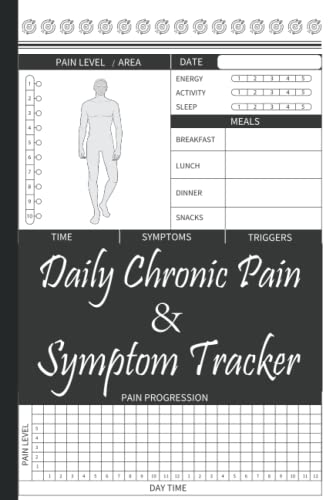
- Tracks pain, mood, meds, and symptom patterns
- Easy paper log for home, clinic, or caregiver updates
- Useful low-tech support for chronic care routines
Best For: Caregivers and patients who want a simple planner to document chronic pain and daily symptoms.
Best for Multi-Room Alerts
CallToU Wireless Caregiver Pager System
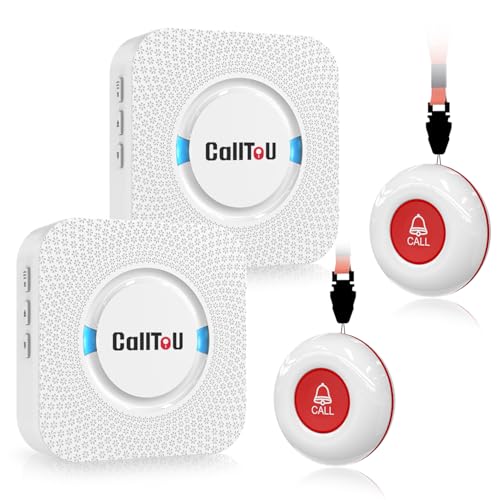
- Two buttons and two receivers for flexible home coverage
- 500+ foot range with loud, adjustable alerts
- Waterproof transmitters work well in bathrooms and bedrooms
Best For: Caregivers who need a simple in-home call system for seniors or patients.
Best for App Alerts
PILSAMAS WiFi Caregiver Call Button

- No monthly fee for app notifications
- Shared alerts for multiple caregivers
- Easy wall or lanyard setup
Best For: Families wanting a simple WiFi alert button with shared phone notifications.
Best for Fall Alerts
FullHouse Wireless Caregiver Pager

- 1000-foot open-air range for home coverage
- 5 volume levels plus silent LED alert mode
- Splash-resistant button can be mounted or worn
Best For: Families needing a simple wireless help button for elderly or disabled home monitoring.
Best for Privacy-Minded In-Home Monitoring
NOMO Smart Care Medical Alert System
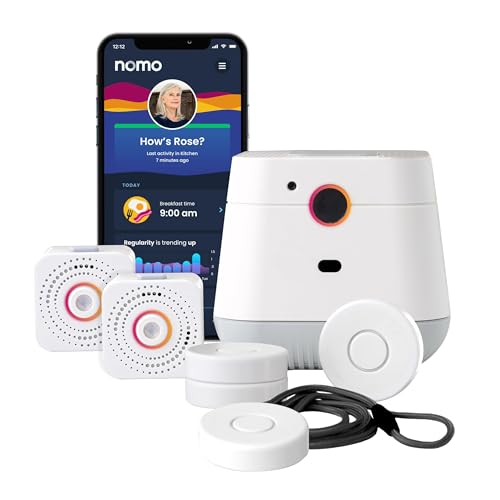
- Camera-free hub and sensors support privacy-first monitoring
- Easy plug-and-play setup with no landline required
- 60-day trial includes 24/7 emergency response
Best For: Caregivers who want a private, easy-to-install in-home alert system for seniors.
Best for Simple SOS Alerts
Caregiver Pager Wireless Call Buttons

- 2 call buttons plus 1 portable pager
- Ding-dong or continuous alarm modes
- Portable, wall-mountable, and wearable call buttons
Best For: Caregivers needing a simple wireless alert system for seniors or patients at home.
Best for Caregiver Tracking – Safety+ 4G Medical Alert System
If you want chronic condition monitoring devices for caregivers that combine emergency response with location tracking, the Safety+ 4G Medical Alert System is built around that need. It adds fall detection, GPS location services, and a caregiver app, so family members can check status and receive alerts without relying on a smartphone setup.
Best For: Seniors and adults who need a wearable alert device with fall detection, GPS, and caregiver notifications.
Pros:
- Includes the first month of 24/7 monitoring, with easy activation
- Fall detection plus GPS helps caregivers respond quickly
- Mobile app provides activity, location, battery, and emergency alerts
- Wearable design with lanyard or belt clip for flexible everyday use
Cons:
- Requires an ongoing $40/month subscription after the first month
- Caregiver features depend on the monitoring service and app setup
- Not a full medical monitoring platform for detailed health metrics
For caregivers prioritizing safety, this device is a practical middle ground between a basic panic button and more advanced chronic condition monitoring devices for caregivers. Its strength is simple emergency support, automatic fall alerts, and location visibility in one wearable package.
Best Educational Guide – The Home Health Monitor Handbook 2026
If you’re comparing chronic condition monitoring devices for caregivers, this handbook is a practical place to start. It focuses on the kinds of home health monitors people actually use, helping you understand what each device does, what matters most before buying, and how to choose tools that fit daily care routines.
Best For: Caregivers, patients, and families who want a clear, easy-to-follow overview of essential home monitoring devices before making a purchase.
Pros:
- Explains core device categories in a caregiver-friendly way
- Useful for comparing options before buying actual monitors
- Broad coverage for common home health tracking needs
- Helps readers build a smarter care-plan shopping list
Cons:
- It’s a guide, not a physical monitoring device
- Not ideal if you need immediate product-level specs only
For shoppers researching chronic condition monitoring devices for caregivers, this is most valuable as a decision-making reference rather than a hands-on solution. It can help narrow down the features and device types that matter most, especially if you’re buying for someone who needs regular at-home oversight.
Best for On-the-Go Caregivers – Medical Guardian MGMini Alert Device
If you need chronic condition monitoring devices for caregivers that are simple to wear and quick to respond, the Medical Guardian MGMini is a strong pick. Its compact design, GPS tracking, and 24/7 monitoring make it practical for seniors who want independence while giving family members a reliable way to get help fast.
Best For: Seniors who want a discreet medical alert device with GPS, fast emergency response, and caregiver-friendly peace of mind.
Pros:
- Small, discreet device that can be worn with a lanyard or belt clip
- 24/7 U.S.-based monitoring with two-way voice and rapid emergency response
- GPS tracking plus nationwide 4G LTE coverage for use at home or away
- Up to 3 days of battery life supports everyday use
Cons:
- Requires a paid subscription after the trial period
- Fall detection costs extra if you want that added layer of protection
- Needs activation before first use
Overall, this is a practical choice for caregivers who want a portable alert device rather than a bulky system. For chronic condition monitoring devices for caregivers, it stands out most for mobility, location tracking, and fast access to human help when something goes wrong.
Best for Bedside Wandering Alerts – Smart Caregiver Floor Mat Alarm with Pager
If you need one of the more practical chronic condition monitoring devices for caregivers, this floor mat alarm system offers a simple way to catch bed exits and wandering in real time. Place the mat by a bed or doorway, and the included pager alerts you with sound or vibration so you can respond quickly without startling the person you’re watching.
Best For: Caregivers monitoring seniors with dementia, fall risk, or nighttime wandering who want a low-noise alert system with a portable pager.
Pros:
- Wireless pager alerts up to 300 feet away with audible or vibrate modes.
- Easy placement beside a bed or exit door for fall and wandering prevention.
- Can monitor multiple compatible Smart Caregiver devices from one pager.
Cons:
- Pager batteries are not included.
- Designed for alerting, not direct health tracking or vitals monitoring.
For caregivers who mainly need immediate movement alerts rather than clinical data, this is a focused, no-fuss option. It fits well alongside other chronic condition monitoring devices for caregivers when the priority is safety, response time, and peace of mind at home or in a facility.
Best for Symptom Journaling – Daily Chronic Pain & Mood Tracker Planner
If you want a simple paper companion to complement chronic condition monitoring devices for caregivers, this daily pain and symptom tracker makes it easier to log patterns, mood changes, meds, and triggers in one place. It’s a practical choice for families and caregivers who need a low-tech way to keep notes organized between appointments.
Best For: Caregivers, parents, and patients who prefer a hands-on planner for tracking chronic pain, mood, and daily symptoms.
Pros:
- Creates a consistent record of pain levels, mood, and symptoms
- Simple planner format is easy to use at home or during visits
- Helpful for sharing observations with doctors and caregivers
- Works well as a low-cost gift for chronic care routines
Cons:
- Not a digital device or app-based tracker
- Requires manual entries to stay useful
- Limited to journaling rather than real-time monitoring
This planner won’t replace chronic condition monitoring devices for caregivers, but it can add valuable context by capturing day-to-day changes that are easy to forget. For anyone who wants a straightforward paper log to support long-term care, it’s a useful and accessible option.
Best for Multi-Room Alerts – CallToU Wireless Caregiver Pager System
If you need a simple alert setup for chronic condition monitoring devices for caregivers, this CallToU pager system gives you a dependable way to summon help across a home without requiring a phone app or complicated setup. With two call buttons and two plug-in receivers, it works well for households where the caregiver moves between rooms and needs an audible signal that travels with them.
Best For: Caregivers who want an easy, room-to-room call system for seniors, patients, or disabled family members living at home.
Pros:
- Two transmitters and two receivers support multi-room coverage.
- 500+ foot open-area range helps alerts reach across larger homes.
- 55 ringtones and adjustable volume make it easier to match different hearing needs.
- Waterproof, dustproof buttons suit bathrooms and other high-use areas.
Cons:
- Receivers must stay plugged into outlets, so placement depends on available sockets.
- It is a basic alert system, not a medical monitoring device.
This is a practical, low-friction option for caregivers who want faster communication at home. For buyers comparing chronic condition monitoring devices for caregivers, it stands out for simplicity, range, and the ability to place alerts where they’re most needed.
Best for App Alerts – PILSAMAS WiFi Caregiver Call Button
If you’re comparing chronic condition monitoring devices for caregivers, this PILSAMAS call button is a simple way to add fast, WiFi-based alerting without a monthly fee. It’s designed for seniors or patients who want an easy emergency trigger, while giving family members app notifications wherever they are.
Best For: Families who want a low-fuss, WiFi-connected alert button for home care, especially when multiple caregivers need instant phone notifications.
Pros:
- No monthly fee for app notifications
- Shared alerts let multiple family members receive the alarm
- Simple setup with wall mounting or lanyard use
- Useful for home, nursing home, clinic, or hospital settings
Cons:
- Only supports 2.4G Wi-Fi, not 5G
- Must stay within about 15 meters of the router
- SMS, phone, and email alerts require a subscription
This is a practical pick if you want a straightforward alert device rather than a full medical monitor. For chronic condition monitoring devices for caregivers, it stands out for ease of use, shared notifications, and no-fee app alerts.
Best for Fall Alerts – FullHouse Wireless Caregiver Pager
If you want a simple, no-subscription alert system, this caregiver pager is a practical pick among chronic condition monitoring devices for caregivers. It lets a patient, older adult, or disabled family member call for help from another room, the bathroom, or bedside without shouting, while the caregiver stays mobile.
Best For: Homes that need a low-cost wireless call button for fall support, bathroom safety, and quick room-to-room communication.
Pros:
- Up to 1000 feet of range in open air for flexible home coverage
- 5 volume levels, silent LED mode, and 52 melody options
- Splash-resistant call button can be mounted or worn for easy access
- No monthly fee, making it easy to use long term
Cons:
- Not a medical monitoring system with two-way communication or sensors
- Range drops when walls are between the button and receiver
- Call button should not be immersed in water during bathing
For families comparing chronic condition monitoring devices for caregivers, this model stands out for simplicity: it focuses on fast alerting rather than complex setup, app pairing, or ongoing fees. That makes it a solid choice when the main priority is immediate help calls at home.
Best for Privacy-Minded In-Home Monitoring – NOMO Smart Care Medical Alert System
If you want chronic condition monitoring devices for caregivers that focus on privacy and simple setup, the NOMO Smart Care Medical Alert System is worth a look. It uses a camera-free in-home hub, motion and sound sensing satellites, and wearable tags to send fall and emergency alerts over WiFi.
Best For: Families caring for seniors who want a private, easy-to-install monitoring system with caregiver alerts and optional 24/7 emergency response.
Pros:
- Camera-free design helps preserve privacy while still tracking movement and emergencies.
- Fast plug-and-play setup with no landline, special wiring, or technician visit required.
- Two-way voice communication and caregiver notifications add practical emergency support.
- Includes a 60-day monitoring trial with RapidSOS emergency response.
Cons:
- Requires WiFi for the hub and satellites to work.
- Full monitoring costs $19.99 per month after the trial.
- Primarily designed for in-home use rather than mobile tracking.
For caregivers comparing chronic condition monitoring devices for caregivers, this system stands out for its privacy-first design and straightforward setup more than advanced health tracking. It is a strong fit if you mainly need fall detection, emergency alerts, and a reliable way to stay connected to someone aging in place.
Best for Simple SOS Alerts – Caregiver Pager Wireless Call Buttons
If you need a straightforward alert option for chronic condition monitoring devices for caregivers, this wireless pager kit keeps help requests simple: press a button, and the portable pager sounds an alert. It’s a practical fit for home care, senior rooms, and small care settings where quick notification matters more than advanced features.
Best For: Caregivers who want an easy, low-fuss wireless call system for seniors, patients, or loved ones at home.
Pros:
- Includes 2 call buttons and 1 portable pager for flexible placement
- Simple SOS operation with ding-dong or alarm alert modes
- Portable pager with belt clip and call buttons that can be wall-mounted or worn
- Long wireless range up to 500 feet in open areas
Cons:
- Not a medical monitoring device with vitals or fall detection
- Best suited to basic call alerts rather than complex multi-room care
As a budget-friendly alert system, this is a sensible choice when the goal is fast communication rather than full remote health tracking. For caregivers comparing chronic condition monitoring devices for caregivers, it stands out for ease of use, portability, and dependable bedside or bathroom call access.
How We Picked These Chronic Condition Monitoring Devices for Caregivers
We prioritized tools that help caregivers respond quickly, reduce missed alerts, and fit real-world routines. That meant looking at alert speed, ease of use, range or connectivity, portability, and whether the system supports day-to-day monitoring rather than one-time emergencies only.
We also favored devices that are simple to set up, easy for older adults or patients to trigger, and useful for both at-home care and more mobile lifestyles. For Chronic Condition Monitoring Devices for Caregivers, reliability matters more than bells and whistles.
Quick Comparison: What Each Type Does Best
Not every caregiving need calls for the same device. Fall-detection alert systems are best for high-risk seniors who live alone or spend time away from a caregiver. Wireless pager and call-button systems work well inside the home for fast room-to-room communication. Floor alarms add another layer of safety for patients at risk of wandering or unassisted standing. Symptom trackers are best for documenting patterns over time.
Key Buying Factors for Chronic Condition Monitoring Devices for Caregivers
Alert Method
Choose between wearable alerts, fixed call buttons, floor mats, app notifications, or pager receivers. The right alert type depends on whether the person can press a button, needs automatic fall detection, or requires silent monitoring.
Range and Connectivity
For in-home systems, check wireless range and wall penetration. For remote caregiving, look for WiFi, cellular, GPS, or app-based alerts so you can receive updates outside the house.
Ease of Use
The best devices are simple enough for the care recipient to use without confusion. Large buttons, clear alerts, lightweight wearables, and minimal setup are major advantages.
Monitoring Needs
If you are supporting someone with mobility limits, dementia risk, or frequent falls, prioritize automatic alerts and reliable call coverage. If the main need is routine symptom logging, tracking tools can complement emergency devices rather than replace them.
Who Should Buy Which Chronic Condition Monitoring Devices for Caregivers?
Buy a wearable medical alert system if you need emergency response and location awareness. Choose a wireless caregiver pager if you want fast communication inside the home. Pick a floor alarm if standing, wandering, or bed exits are a concern. Use a symptom tracker if the goal is documenting pain, mood, or daily changes for appointments and long-term care planning.
In many cases, the strongest setup combines two tools: one for emergencies and one for daily communication or tracking. That layered approach gives caregivers better coverage without overcomplicating care.