Choosing the right alert system can make daily care safer and less stressful. The best bed alarms for wheelchair users help caregivers catch movement early, reduce fall risk, and support more confident transfers.
In this roundup, we focus on practical features that matter most: reliable sensing, easy setup, comfortable wear or placement, and alert methods that fit home or facility use.
Best 10 Bed Alarms for Wheelchair Users Picks for 2026
Best for Simple Wheelchair Alerts

- Magnet pull-away trigger for bed or wheelchair exits
- Adjustable 30-inch cord with clip-on setup
- High/low volume settings plus drop-tested durability
Best For: Caregivers who want a simple, durable alarm for monitoring bed or wheelchair movement.
Best for Bed-and-Chair Coverage
Smart Caregiver Bed & Chair Sensor Pad

- Includes both bed and chair sensor pads
- Adjustable volume with quick reset button
- Wipe-clean, incontinence-resistant vinyl pads
Best For: Caregivers monitoring transfers from both beds and chairs with one alarm system.
Best for Silent Monitoring
CallToU Bed Alarm with Vibrate Mode

- Detects bed-exit movement before full standing
- Silent, vibrate, and adjustable sound alerts
- Portable receiver with rechargeable USB-C power
Best For: Caregivers who want a quiet, portable bed-exit alert with flexible notification modes.
Best for Geri Chairs
Skil-Care Universal Geri Chair Alarm
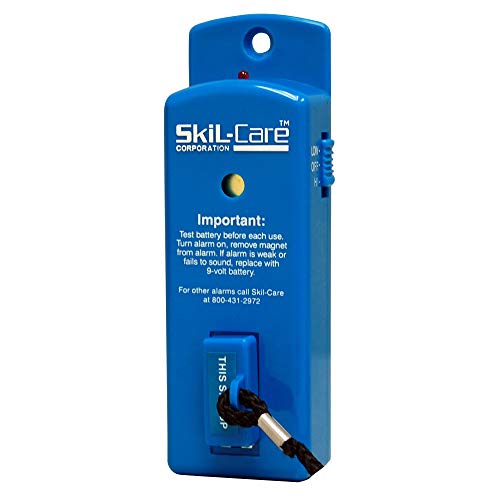
- Includes a bed attachment strip for wheelchair or geri-chair use
- Magnetic activation keeps operation simple
- Selectable 85 dB or 70 dB alarm volume
Best For: Caregivers needing a straightforward alarm for wheelchair or geri-chair patients.
Best for Wireless Room-to-Room Alerts
Smart Caregiver Bed Exit Alarm

- Wireless pager with sound and vibration modes
- Large pressure pad helps reduce false alarms
- Expandable to beds, chairs, and doorways
Best For: Caregivers who need a simple wireless bed-exit alert for seniors or wheelchair users.
Best for Simple Pull-Cord Monitoring
Secure Safety Solutions MAG-3 Chair & Bed Exit Alarm

- Magnet pull-cord alert system
- Chair and bed exit monitoring
- Practical for caregiver fall prevention
Best For: Caregivers needing a simple chair-and-bed exit alarm for wheelchair users and dementia care.
Best for Easy Setup
CallToU Bed Alarm with Motion Sensor

- Quick setup with a pre-configured sensor
- 5 volume levels, 18 ringtones, silent/vibrate options
- Portable receiver with rechargeable power and AAA sensor batteries
Best For: Caregivers who want a simple, portable motion alarm with flexible alerts.
Best for Simple Bed Exit Alerts
Smart Caregiver Bed Alarm with 10x30 Pad

- Immediate pressure-loss alarm when the user gets up
- Optional wireless caregiver alerts available separately
- Durable, easy-to-clean 10" x 30" sensor pad
Best For: Caregivers who want a basic, reliable bed-exit alarm with flexible alert options.
Best for Early Bed Exit Alerts
Lunderg Wireless Bed & Chair Alarm Set

- Wireless caregiver pager with no in-room alarm
- Includes both bed and chair sensor pads
- Easy setup with no Wi-Fi, app, or tools
Best For: Caregivers monitoring both bed exits and wheelchair transfers with early alerts.
Best for Early Alerts
Lunderg Wireless Early Alert Bed Alarm

- Wireless pager alerts caregivers before the user gets fully out of bed
- No Wi-Fi, app, or tools needed for setup
- Adjustable volume plus vibration-only mode for flexible use
Best For: Caregivers who want an easy-to-use early-warning alarm for a wheelchair user or fall-risk loved one.
Best for Simple Wheelchair Alerts – Sammons Preston Magnet Alarm
If you need bed alarms for wheelchair users, the Sammons Preston Magnet Alarm is a practical pick for basic fall monitoring and quick alerts. It uses a spring-loaded clip and magnetic pull-away cord to trigger a loud alarm when the user stands, making it useful for assisted living, bedside, and wheelchair supervision.
Best For: Caregivers who want a straightforward, economical alarm for monitoring movement from a bed or wheelchair.
Pros:
- Easy clip-on setup for wheelchairs, beds, and other surfaces
- Adjustable cord up to 30 inches for setting personal distance boundaries
- High and low volume options help match different care environments
- Drop-tested design and tool-free battery door improve durability and safety
Cons:
- Magnet-based design may be less flexible than more advanced sensor systems
- Alarm volume may be too loud for some quiet settings
- Works best as a basic alert device rather than a full monitoring system
This is a solid no-frills option for bed alarms for wheelchair users when you want an audible exit alert without complicated setup. Its durability and simple clip-on design make it appealing for everyday caregiving, though it’s most effective when paired with attentive supervision.
Best for Bed-and-Chair Coverage – Smart Caregiver Bed & Chair Sensor Pad
If you need bed alarms for wheelchair users who also transfer to a chair, this Smart Caregiver system gives you both pads in one kit. It’s designed to alert caregivers when weight is removed, helping catch unsafe exits from either a bed or a firm chair.
Best For: Caregivers who want one easy-to-use alarm system for monitoring transfers from both beds and chairs.
Pros:
- Includes both a bed sensor pad and a chair sensor pad for flexible monitoring
- Adjustable alarm volume plus a reset button for quick silencing
- Soft, wipe-clean vinyl pads are incontinence resistant
- Comes with a 1-year manufacturer warranty and AC adapter
Cons:
- Requires a 9V battery if you’re not using the included adapter
- Bed and chair pads are wired, so placement needs a little planning
For bed alarms for wheelchair users, this is a practical pick if the main goal is monitoring transfers rather than adding advanced features. The dual-pad setup makes it easier to cover multiple seating situations with one system, which is useful in home care and fall-prevention routines.
Best for Silent Monitoring – CallToU Bed Alarm with Vibrate Mode
If you need bed alarms for wheelchair users who may try to stand before calling for help, this CallToU system is built for early warning rather than contact pressure. The floor-side motion sensor detects feet approaching the ground, which can help caregivers react quickly without relying on a bed pad or touching the patient.
Best For: Caregivers who want a portable, low-noise bed-exit alert with vibration and silent modes for home, hospital, or nighttime monitoring.
Pros:
- Detects movement before the person is fully standing, giving caregivers extra reaction time.
- Offers silent and vibrate modes, plus 5 volume levels and 18 ringtones for flexible alerts.
- Portable receiver with USB-C charging and a sensor that rotates 360° to help reduce false alarms.
- Uses a wireless floor sensor, so it doesn’t require contact with the person or a bed mat.
Cons:
- Works best when the sensor is positioned correctly beside the bed.
- Battery-powered sensor means you’ll need to replace AAA batteries over time.
- Not a full mobility solution; it only alerts caregivers after movement begins.
For bed alarms for wheelchair users, this is a practical alert-first option when the priority is catching bed exits early and keeping nighttime disturbances to a minimum. It’s especially appealing if you want a portable monitor that can be adjusted for both quiet and louder caregiving environments.
Best for Geri Chairs – Skil-Care Universal Geri Chair Alarm
If you need a practical alert option for bed alarms for wheelchair users, this Skil-Care system is designed to help notify caregivers when a resident moves or attempts to rise. It includes a bed attachment strip, a magnetically activated alarm, and an adjustable cord clip for securing to clothing.
Best For: Care settings that need a simple, battery-powered alarm for wheelchair or geri-chair patients with adjustable volume.
Pros:
- Works with wheelchair and geri-chair setups using the included attachment strip
- Magnetic activation keeps the system straightforward to use
- Choose between 85 dB or 70 dB alarm volume
- Battery operated and batteries are included
Cons:
- Designed more for alerting than for advanced monitoring features
- May be louder than some users prefer, even on the low setting
- Better suited to care environments than to discreet home use
Overall, this is a focused safety accessory for caregivers who want a simple alarm solution rather than a complex system. For bed alarms for wheelchair users, its adjustable volume and easy attachment make it a practical pick in routine care settings.
Best for Wireless Room-to-Room Alerts – Smart Caregiver Bed Exit Alarm
If you need bed alarms for wheelchair users who may transfer in and out of bed without warning, this Smart Caregiver system offers a simple wireless alert setup. The soft pressure pad senses when weight is removed and sends a notification to the pager, helping a caregiver react quickly during day or night use.
Best For: Caregivers who want an easy-to-monitor bed exit alarm with a wireless pager, especially for seniors or wheelchair users who need fall-prevention support and room-to-room flexibility.
Pros:
- Wireless pager includes sound and vibration alerts for flexible notification
- Large 10" x 30" bed pad is designed to reduce false alarms
- Can expand to monitor multiple Smart Caregiver sensors, like beds, chairs, and doors
- U.S.-based company with customer support and long-term fall-prevention focus
Cons:
- Requires correct pad placement to perform well
- Best suited to caregivers who can respond promptly to pager alerts
- Not a medical monitoring system with remote app tracking
This is a practical pick if you want bed alarms for wheelchair users that prioritize fast, wireless notification over app-based features. It fits homes that need dependable early alerts and the option to expand into a broader fall-prevention setup.
Best for Simple Pull-Cord Monitoring – Secure Safety Solutions MAG-3 Chair & Bed Exit Alarm
If you want a straightforward alert system for bed alarms for wheelchair users, the Secure Safety Solutions MAG-3 is built around a simple magnet pull-cord design that notifies caregivers when the connection is broken. It’s a practical choice for supervised mobility and transfer monitoring without adding a complex setup.
Best For: Caregivers who want an easy-to-use chair and bed exit alarm for dementia care, elderly adults, or wheelchair monitoring.
Pros:
- Magnet pull-cord design is simple and easy to understand
- Works as both a chair and bed exit alarm
- Useful for caregiver alerting in fall-prevention routines
- Compact monitor-style setup suits home care use
Cons:
- More basic than smart or app-connected alarm systems
- Requires correct placement and cord attachment for reliable use
Overall, this is a no-frills option for bed alarms for wheelchair users when the priority is dependable pull-cord notification rather than advanced features. It makes the most sense for caregivers who want a clear, fast alert during transfers or unsupervised movement.
Best for Easy Setup – CallToU Bed Alarm with Motion Sensor
If you need a simple alert system for bed alarms for wheelchair users, this CallToU option focuses on quick setup, adjustable alerts, and a sensor that can warn you before someone tries to stand. It’s a practical pick for caregivers who want an easy-to-use monitor without the complexity of a full nursing system.
Best For: Caregivers who want a portable, low-fuss bed alarm with flexible volume and motion-based detection.
Pros:
- Easy setup in under 10 minutes with a pre-set sensor
- Adjustable volume, 18 ringtones, plus silent or vibrate modes
- Motion sensor aims to reduce false alarms from restless sleep
- Portable receiver with Type-C charging and replaceable AAA batteries for the sensor
Cons:
- Designed around motion detection, so placement needs careful testing
- Not a bed mat, which may be preferable for users who need weight-triggered sensing
- Alert range and performance can vary depending on room layout and mounting position
This model makes sense if you want a straightforward alarm that can support bed alarms for wheelchair users by giving a caregiver time to respond before a transfer attempt becomes unsafe. It’s especially appealing when ease of setup and flexible notification settings matter more than advanced medical-grade features.
Best for Simple Bed Exit Alerts – Smart Caregiver Bed Alarm with 10×30 Pad
If you need one of the more straightforward bed alarms for wheelchair users, this Smart Caregiver system focuses on fast pressure-loss alerts when someone starts to get out of bed. The setup is simple, the pad is easy to place under the sheet, and the alarm can be kept in-room or paired with a separate wireless alert kit for a quieter caregiver-focused approach.
Best For: Caregivers who want a basic, easy-to-install bed exit alarm with flexible alert options and a durable sensor pad.
Pros:
- Detects when pressure is removed from the pad and alarms immediately
- Flexible alert setup with in-room sound or optional wireless caregiver alerts
- Soft 10″ x 30″ sensor pad is sealed for easier cleaning and daily use
- Simple mounting and placement on a bed, wall, or nearby surface
Cons:
- Wireless caregiver alert kit is sold separately
- In-room alarm may be too noticeable for some users
- Requires battery power or a separately sold AC adapter
Overall, this is a practical pick if you want dependable bed-exit monitoring without a complicated setup. For bed alarms for wheelchair users, it makes the most sense when the goal is quick notification as soon as someone begins to rise or shift off the bed.
Best for Early Bed Exit Alerts – Lunderg Wireless Bed & Chair Alarm Set
If you need bed alarms for wheelchair users or a dementia care setup that alerts you before someone stands, this wireless Lunderg set is built for practical, low-fuss monitoring. It pairs a bed pad and chair pad to one handheld pager, so you can watch both transfer points without adding noise in the room.
Best For: Caregivers who want early warning for bed exits and chair stand-ups without an in-room alarm that may startle the user.
Pros:
- Wireless pager alerts the caregiver instead of sounding in the room
- Bed pad is positioned for pre-rise detection, plus a separate chair pad for transfer monitoring
- No Wi-Fi, app, or tools required for setup
- Pager offers adjustable volume, vibration mode, and up to 400 ft. range
Cons:
- Works best when the pads are placed correctly for the intended alert timing
- More specialized than a simple single-pad alarm
For bed alarms for wheelchair users, this set stands out because it covers both bed and chair transitions with one portable receiver. It is a smart fit if you want earlier notification, fewer false wakes, and a more dignity-preserving approach to fall prevention.
Best for Early Alerts – Lunderg Wireless Early Alert Bed Alarm
If you need bed alarms for wheelchair users, the Lunderg Wireless Early Alert Bed Alarm System is built around one key idea: warn the caregiver before the person fully gets up. It uses a wireless sensor pad and a portable pager, so there’s no in-room blast, no app, and no Wi-Fi setup.
Best For: Caregivers who want a simple, wireless early-warning alarm for a wheelchair user or anyone at risk of trying to stand without help.
Pros:
- Early-alert pad placement is designed to notify you before the user is fully out of bed
- Wireless pager stays with you and offers adjustable volume or vibration-only mode
- Easy setup with no tools, Wi-Fi, or app required
- Long-lasting, wipe-clean sensor pad and included batteries add convenience
Cons:
- More expensive than basic wired alarm systems
- Works best when the pad is positioned correctly at hip level
- Designed for alerting caregivers, not preventing movement physically
For caregivers comparing bed alarms for wheelchair users, this is a strong pick if your priority is dignity, portability, and getting warned early enough to help before a transfer becomes a fall risk.
How We Picked the Best Bed Alarms for Wheelchair Users
For Bed Alarms for Wheelchair Users, the most important factors are dependable detection, simple placement, and alert delivery that reaches the caregiver fast. We also looked for systems that work well in real-world care settings, including bedrooms, shared rooms, and chair-based monitoring.
We favored options that balance sensitivity with comfort, since alarms that are difficult to use or irritating to the user often get abandoned.
Quick Comparison
Some systems are built around pressure pads for beds or chairs, while others use magnetic pull cords or motion sensors. Weight-sensing pads are often best when you want a clear exit alert. Motion-based models can offer more flexibility, and wireless pager systems are useful when caregivers need mobility.
Key Buying Factors for Bed Alarms for Wheelchair Users
Alert Type
Choose the alarm style that best matches the person’s routine. Bed pads are useful for detecting rising or shifting. Chair alarms may be a better fit for users who spend much of the day seated in a wheelchair or geri-chair. Wireless pagers can help caregivers hear alerts across a home.
Comfort and Placement
Look for designs that do not interfere with seating posture or transfers. For wheelchair use, the sensor should stay secure without causing pressure points or requiring frequent adjustment.
Noise, Vibration, and Privacy
Some alarms use loud sounds, while others send silent, vibrating, or pager-based alerts. If you are caring for someone with dementia, a quieter system may reduce distress and still notify the caregiver effectively.
Range and Reliability
Wireless range matters if the caregiver is not always in the same room. Also consider battery life, signal stability, and whether the unit provides an early alert before the person fully stands or leaves the chair.
Who Should Buy Which Bed Alarms for Wheelchair Users?
If the priority is bedside monitoring with straightforward setup, a weight-sensing pad system is a strong choice. If the person moves between bed and wheelchair frequently, a bed-and-chair combination can offer broader coverage. Caregivers who want discreet alerts may prefer pager-based or silent notification models, while facilities and higher-risk users may benefit from more robust systems with early-warning features.
In the end, the best Bed Alarms for Wheelchair Users are the ones that fit the person’s mobility pattern, the caregiver’s response time, and the home or care environment.