The best wooden foot rollers offer a simple, drug-free way to massage tired arches, heels, and soles at home. Their textured wooden surfaces provide targeted pressure, while compact designs are easy to store and use.
We compared 10 popular options for construction, roller shape, pressure control, portability, and intended use. Use the guide below to find the right fit for daily relaxation, post-exercise recovery, or focused plantar fascia massage.
Best 10 Wooden Foot Rollers Picks for 2026
Best Overall
TheraFlow Five-Row Wooden Foot Roller

- Five rows with ridges and reflexology nubs
- Non-slip base for stable rolling
- Lightweight and portable at 1.65 pounds
Best For: Versatile daily foot massage and relaxation
Best for Arch Tension

- Targets tension under the arches
- Portable and easy to use
- Traditional wood rolling-pin design
Best For: Dancers and focused arch massage
Best for Reflexology
TheraFlow Wooden Foot Massager

- Five rows with a 96-nub massage row
- Includes reflexology chart and instructions
- Non-slip strips improve stability
Best For: Guided acupressure-style foot massage
Best Compact Roller
tuuli Natural Beech Wood Foot Massager

- Lightweight 150-gram design
- Natural beech wood with grooved surface
- Compact option for daily self-care
Best For: Minimalist, portable foot massage
Portable Relief Pick

- Compact 4-ounce design
- Ergonomic arch-focused shape
- Manual acupressure-style rolling
Best For: Portable foot massage for plantar fasciitis and sore arches
Versatile Wooden Classic
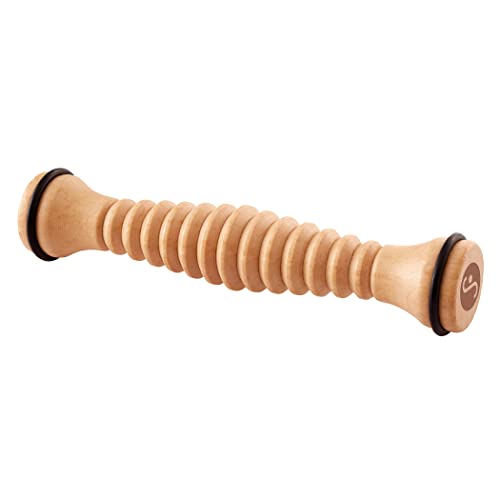
- Traditional wood construction
- Ridges target foot trigger points
- Can roll calves and upper-limb areas
Best For: Runners and users wanting a versatile wooden massage tool
Stability-Focused Wood Pick

- Over 1,000 ridges and 48 nodes
- Ergonomic arch design
- Anti-slip pads for stable use
Best For: Stable, intensive wooden foot massage at home
Compact Dual-Roller Relief
TheraFlow Small Dual Foot Massager

- Dual-foot rolling design
- Arched shape with non-slip strips
- Lightweight for desk or travel use
Best For: Portable simultaneous foot massage and everyday foot relaxation
Arch-Targeted Acupressure
Cozlow Wooden Foot Massage Roller

- Four ridged rows with acupressure nubs
- Arch-shaped foot alignment
- Portable manual design for seated use
Best For: Targeted pressure-point massage and foot tension relief
Reflexology Row Comfort

- Five textured massage rows
- Acupressure and reflexology surfaces
- Anti-slip base with portable design
Best For: Daily multi-texture foot massage at home or on the go
Best Overall – TheraFlow Five-Row Wooden Foot Roller
For shoppers comparing wooden foot rollers, this TheraFlow model stands out for its five massage rows, varied textures, and stable design. Four ridged rows and one reflexology-nub row provide different sensations across the sole, while the lightweight construction makes it practical for home, office, or travel use.
Best For: People seeking a versatile wooden roller for everyday foot tension, arch discomfort, and relaxation.
Pros:
- Five rows combine ridged and reflexology-nub massage zones.
- Non-slip base supports controlled use on different surfaces.
- Lightweight, portable design weighs 1.65 pounds.
- Includes features suited to under-desk use and daily foot care.
Cons:
- Manual rolling requires active foot movement.
- Not water resistant.
- Firm textures may not suit users who prefer a softer massage.
Its combination of massage variety, portability, and stability makes it a well-rounded choice among wooden foot rollers. The included reflexology chart also adds guidance for shoppers who want a more structured routine.
Best for Arch Tension – Bloch Dance Foot Roller
The Bloch Dance Foot Roller is a straightforward option for shoppers who want compact wooden foot rollers focused on arch massage. Its rolling-pin form is easy to use and portable, making it convenient for easing tension under the arches after activity or during a break.
Best For: Dancers and anyone wanting a simple, portable tool for arch tension and aching feet.
Pros:
- Designed to relieve tension under the arches.
- Portable format is easy to use at home or on the go.
- Wood construction provides a traditional massage feel.
Cons:
- Offers a simpler design than multi-row foot rollers.
- Product notes do not indicate a non-slip base.
- Not water resistant.
This is a focused pick rather than a feature-heavy massager. Choose it if portability and direct arch rolling matter more to you than multiple massage textures or an included reflexology guide.
Best for Reflexology – TheraFlow Wooden Foot Massager
This TheraFlow model is a strong choice for shoppers comparing wooden foot rollers with a more structured reflexology setup. It has five rows, including a final row with 96 nubs, and comes with a reflexology chart and instructions for guided use.
Best For: Users who want textured acupressure-style rolling with a reflexology chart for guided foot massage.
Pros:
- Five rows provide varied rolling and pressure-point stimulation.
- Final row includes 96 nubs for a more textured massage.
- Non-slip strips help keep the roller from flipping.
- Includes a reflexology chart and user instructions.
Cons:
- Nubby textures may feel intense for sensitive feet.
- Designed for manual use rather than powered massage.
- Not water resistant.
With its pronounced nubbed row and included guidance, this roller is better suited to shoppers who want more than basic rolling. Its sustainable wood construction and non-slip strips add practical everyday value.
Best Compact Roller – tuuli Natural Beech Wood Foot Massager
The tuuli wooden foot roller keeps foot massage simple with a grooved natural-beech design. Measuring about 8 by 2 inches and weighing 150 grams, it is a compact manual option for relaxing tired heels, easing muscle tension, and incorporating rolling into a daily self-care routine.
Best For: Shoppers wanting a lightweight, minimalist wood roller for portable everyday foot care.
Pros:
- Natural beech wood construction is lightweight and durable.
- Grooved roller helps target pressure points and muscle tension.
- Compact design is convenient for storage and travel.
- Can be used as a heel massager and foot exerciser.
Cons:
- Single grooved roller offers less texture variety than multi-row models.
- Product notes do not mention a non-slip base.
- Not water resistant.
This tuuli roller is a practical pick for buyers who prefer a small, uncomplicated tool. Its low weight and natural wood construction make it especially convenient for regular use without the bulk of a larger foot massager.
Portable Relief Pick – BESKAR Foot Massager Roller
For shoppers seeking wooden foot rollers but prioritizing portability, the BESKAR is a compact manual option for rolling massage at home, the office, gym, or while traveling. Its ergonomic shape is designed to follow the foot’s arch and target heel and foot discomfort.
Best For: People who want a lightweight, portable roller for plantar fasciitis, sore arches, heel discomfort, or post-workout relaxation.
Pros:
- Compact, iPhone-like size and only 4 ounces for easy transport.
- Ergonomic design follows the natural curvature of the foot arch.
- Manual rolling provides deep-tissue, acupressure, and reflexology-style massage.
Cons:
- Made from thermoplastic elastomer rather than wood.
- Not water resistant.
- Designed for foot use, so it may be less versatile than full-body rollers.
The BESKAR stands out when convenience matters most. It is a practical alternative to wooden foot rollers for users who want a small, lightweight tool focused on foot and arch relief.
Versatile Wooden Classic – Body Back Wooden Foot Roller
The Body Back Wooden Foot Roller is a straightforward choice for shoppers specifically comparing wooden foot rollers. Its ridged wood surface is intended to work across the heel, arch, and balls of the feet, while also supporting rolling massage for areas such as the calves, thighs, forearms, and triceps.
Best For: Runners and home users who want a portable wooden roller for foot massage plus occasional myofascial work on other body areas.
Pros:
- Wood construction with ridges designed to massage trigger points.
- Can be used on feet, calves, thighs, forearms, and triceps.
- Lightweight 3.2-ounce design is suitable for the gym or office.
- Useful as an under-desk foot massager or between-run calf roller.
Cons:
- Not water resistant.
- The ridged surface may feel intense on tender feet.
- Its 8-inch length may be less compact than smaller foot rollers.
This model is a good fit for buyers who want the traditional feel of wooden foot rollers with more versatility than a foot-only tool. Its portability also makes it convenient for runners and desk users.
Stability-Focused Wood Pick – Wooden Foot Massager Roller
This wooden foot massager roller is designed for shoppers who want extensive textured coverage and a stable setup. It combines more than 1,000 precision ridges, 48 raised nodes, an ergonomic arch shape, and anti-slip pads for controlled rolling on common household surfaces.
Best For: Users seeking a substantial wooden roller for plantar fasciitis, myofascial release, flexibility work, and stable at-home massage.
Pros:
- Features over 1,000 ridges and 48 raised nodes for pressure-point stimulation.
- Ergonomic arch shape is designed for full sole contact.
- Polished Schima Superba wood offers a smooth, quiet rolling surface.
- Anti-slip pads help keep the tool stable on tile, wood, or carpet.
Cons:
- At 1.9 pounds, it is heavier than the other listed options.
- Larger dimensions may make it less convenient for frequent travel.
- The extensive ridging may provide a more intense massage than some users prefer.
Choose this model if stability and textured coverage are higher priorities than minimal weight. It offers a more substantial wooden foot roller experience for use at a desk, while watching television, or during home therapy routines.
Compact Dual-Roller Relief – TheraFlow Small Dual Foot Massager
If you want a portable option among wooden foot rollers, this dual design lets you massage both feet at once. Its arched shape follows the natural curve of the feet, while the manual rolling action is suited to at-home or under-desk use.
Best For: People seeking a lightweight dual-foot roller for plantar fasciitis discomfort, sore arches, neuropathy-related tension, or relaxation.
Pros:
- Dual rollers can massage both feet simultaneously.
- Arched design is shaped to follow the foot’s natural curvature.
- Non-slip strips help keep it stable and protect flooring.
- Compact, lightweight construction is convenient for office or travel use.
Cons:
- Manual rolling requires the user to control pressure and movement.
- It is not water resistant.
- Its small format may offer less surface area than larger foot massagers.
With sustainable wood construction and an 11.73-inch length, this is a practical pick when portability and simultaneous foot massage matter most.
Arch-Targeted Acupressure – Cozlow Wooden Foot Massage Roller
This wooden foot roller combines four rows of spaced ridges with bead-style acupressure nubs for targeted pressure-point work. Its arch-shaped profile is designed to align with the foot, making it a straightforward seated option for home use.
Best For: Users who prefer a larger wooden roller with pronounced ridges and acupressure features for foot tension and pressure-point massage.
Pros:
- Four ridged rows and bead-style nubs provide varied pressure points.
- Arch-shaped construction supports alignment with the foot’s curvature.
- Manual, lightweight design is easy to carry.
- Designed for seated use and home foot care.
Cons:
- The notes specify use while seated, so it is less flexible for standing massage.
- It is not water resistant.
- Its 0.59-kilogram weight is less travel-friendly than especially lightweight models.
The Cozlow stands out for shoppers who want a dedicated acupressure surface and a broader 10.43-by-7.28-inch footprint rather than a minimal single-row roller.
Reflexology Row Comfort – Brookstone Wooden Foot Roller
Among wooden foot rollers, this Brookstone model offers five textured rows: four acupressure rows plus a reflexology nub row. The compact oak roller has an anti-slip base and is designed for controlled daily massage at home, in the office, or while traveling.
Best For: People who want a compact reflexology-style roller with multiple textured rows and a stable base.
Pros:
- Five textured rows provide varied rolling sensations.
- Acupressure and reflexology rows target the arches, heels, and forefoot.
- Anti-slip base helps improve stability during use.
- Compact design is convenient for office, gym, or travel use.
Cons:
- It is a manual roller, so massage intensity depends on user control.
- It is not water resistant.
- The supplied notes identify plantar fasciitis as a specific use but do not indicate heat or powered operation.
This is a well-rounded choice for everyday foot care if you value surface variety, portability, and a base designed to help limit movement.
How We Picked the Best Wooden Foot Rollers
We evaluated these Wooden Foot Rollers by looking at the features that matter most during everyday use: wood construction, roller texture, arch support, stability, size, and ease of cleaning. We also considered whether each design is better suited to gentle relaxation, targeted pressure, or frequent use for sore feet.
Because foot comfort is personal, no single roller is ideal for everyone. A model with pronounced ridges may deliver deeper stimulation, while a smoother or smaller roller can be easier to control. Product claims about plantar fasciitis or neuropathy relief should not replace advice from a qualified healthcare professional.
Quick Comparison
| Best For | Look For | Why It Matters |
|---|---|---|
| Daily relaxation | Smooth or moderately textured rollers | Provides comfortable massage without excessive pressure |
| Targeted arch work | Grooves, raised nodes, or contoured shapes | Helps focus pressure on specific areas of the sole |
| Travel or small spaces | Compact single-foot designs | Stores easily and can be used at a desk |
| Stronger massage | Stable base and firm wooden texture | Supports controlled, deeper pressure |
Key Buying Factors for Wooden Foot Rollers
Shape and Texture
Grooves and raised sections can create a more stimulating massage, while rounded rollers generally feel less intense. Consider whether you prefer broad rolling contact or concentrated pressure under the arch and heel.
Stability and Control
A wide base, multiple rollers, or nonslip feet can make a massager easier to use while seated. If the roller slides across hard floors, place it on a mat or carpet and reduce pressure until you have better control.
Size and Portability
Dual-foot platforms can save time, but single rollers are often lighter and easier to pack. Measure your available storage space and consider whether you will use the product at home, at work, or while traveling.
Finish and Maintenance
Look for smoothly finished wood without rough edges or splinters. Wipe the surface with a slightly damp cloth and follow the manufacturer’s care instructions; avoid soaking unfinished wood.
Who Should Buy Which Wooden Foot Rollers?
Choose a compact single-foot roller if you want portability, precise placement, or the ability to massage one foot at a time. A wider dual-foot design is a better choice for quick sessions and users who prefer a more balanced setup.
For sensitive feet, beginners, or frequent daily use, start with a less aggressive texture and light pressure. Those seeking deeper arch stimulation may prefer pronounced grooves or massage nodes, provided the design remains comfortable and stable. Stop if you experience sharp pain, numbness, skin irritation, or worsening symptoms, and consult a healthcare professional when foot pain persists.