The best fitness trackers with GPS make it easier to record routes, monitor workouts, and understand daily activity without relying on your phone for every session. The right choice depends on whether you prioritize running metrics, wellness insights, battery life, smartwatch tools, or a slim everyday design.
We compared 10 notable options across Garmin, Fitbit, Amazfit, Apple, and other popular brands to help you choose a tracker that fits your training habits, phone ecosystem, and budget.
Best 10 Fitness Trackers with Gps Picks for 2026
Long-Range Navigator

- Up to 20-day typical battery life
- Offline maps and turn-by-turn GPS navigation
- Large 2.07-inch AMOLED display
Best For: Hikers, cyclists, and endurance-focused athletes
Runner’s Training Partner

- Up to 19 hours in GPS mode
- Adaptive workouts and Garmin Coach plans
- AMOLED display with touchscreen and buttons
Best For: Runners building structured training and race plans
Everyday GPS Value

- Up to 14 days of battery life
- Five-system GPS with downloadable maps
- 140+ workout modes and health tracking
Best For: Everyday fitness, wellness, and multi-sport tracking
Compact Connected Tracker
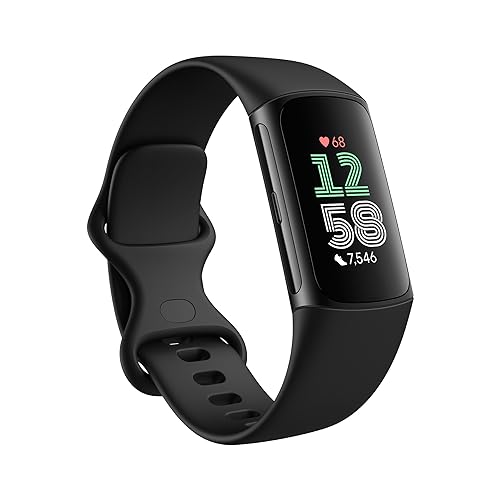
- Built-in GPS and 40+ exercise modes
- Up to seven days of battery life
- Google Maps and Google Wallet support
Best For: Compact everyday tracking with Google-connected features
Top Pick

- Built-in GPS with five satellite systems
- Up to 25 days of battery life
- Bright display with offline maps and 170+ workout modes
Best For: Outdoor athletes and endurance-focused users
Everyday Value

- Tracks activity, sleep, stress, and heart rate
- Up to 10 days of battery life
- Uses smartphone-connected GPS
Best For: Everyday wellness and phone-carrying users
Best for iPhone Users

- Workout tracking with real-time metrics
- Health, sleep, and safety features
- Calls, texts, music, and Siri from the watch
Best For: iPhone users wanting a connected fitness smartwatch
Best Everyday Tracker

- Built-in GPS with 40+ exercise modes
- Tracks sleep, stress, heart rate, and readiness
- Google Maps, Wallet, and music controls
Best For: Everyday fitness tracking with Google features
Best Battery Life

- Up to 11 days in smartwatch mode
- Built-in GPS and 30+ sports apps
- Body Battery, sleep, HRV, and recovery insights
Best For: Training and wellness tracking with extended battery life
Best Large-Screen Value

- Multi-system GPS with altimeter and barometer
- 120+ sports modes and 24/7 health tracking
- 2.06-inch display with calls and voice control
Best For: Outdoor tracking and smartwatch communication features
Long-Range Navigator – Amazfit Bip Max
For shoppers comparing fitness trackers with gps, the Amazfit Bip Max stands out with a large AMOLED screen, built-in navigation, and an unusually long battery estimate. Its offline maps and training features make it suited to longer outings as well as everyday activity tracking.
Best For: Hikers, cyclists, and athletes who want detailed navigation, extended battery life, and broad training tools.
Pros:
- Up to 20 days of typical battery life
- Built-in GPS with downloadable offline maps, turn-by-turn directions, and off-track alerts
- Large 2.07-inch AMOLED display with up to 3,000 nits brightness
- 150+ sports modes plus recovery and training metrics
Cons:
- Its larger case may feel less discreet than a traditional fitness band
- Some advanced coaching and nutrition features depend on the Zepp app
The Bip Max is a strong choice when navigation and battery endurance matter more than a compact tracker profile. Its 50-meter water resistance and extensive sport support add flexibility for varied routines.
Runner’s Training Partner – Garmin Forerunner 165
Among fitness trackers with gps, the Garmin Forerunner 165 is especially focused on running progression. It combines built-in GPS, wrist-based heart rate, adaptive workout suggestions, and recovery guidance in a lightweight smartwatch with both touchscreen and button controls.
Best For: Runners who want structured training plans, race preparation tools, and detailed recovery feedback.
Pros:
- GPS mode battery life rated up to 19 hours
- Personalized daily workouts, Garmin Coach, and race-adaptive plans
- 25+ activity profiles, including running, cycling, HIIT, and strength
- AMOLED touchscreen paired with traditional buttons
Cons:
- Several safety features require a compatible smartphone and network connection
- Its feature set is more training-focused than a simple step tracker
The Forerunner 165 is a practical pick for runners who want guidance beyond pace and distance. Morning reports, training effect, and recovery time help turn individual workouts into a more organized plan.
Everyday GPS Value – Amazfit Bip 6
The Amazfit Bip 6 is a versatile option for shoppers seeking fitness trackers with gps and smartwatch conveniences. It pairs a bright AMOLED display with multi-sport tracking, downloadable maps, health monitoring, and up to two weeks of battery life.
Best For: Everyday users who want GPS workouts, health insights, notifications, and a lightweight watch at a practical feature level.
Pros:
- Up to 14 days of battery life
- GPS navigation supports five satellite systems and downloadable maps
- 140+ workout modes with AI coaching support
- Tracks heart rate, sleep, blood oxygen, and stress
Cons:
- Includes a magnetic charging base rather than a USB-C cable
- Its 1.97-inch display and watch form may be larger than some band-style trackers
The Bip 6 balances workout coverage and daily wellness monitoring without requiring frequent charging. It is a sensible middle ground for users who want navigation and smartwatch features without choosing a specialized running watch.
Compact Connected Tracker – Fitbit Charge 6
The Fitbit Charge 6 combines a slim activity-tracker design with built-in GPS, more than 40 exercise modes, sleep tools, and Google services. For people comparing fitness trackers with gps, it offers a compact way to record routes while also supporting notifications, Google Maps directions, and Google Wallet.
Best For: Users who prefer a compact fitness band with connected Google features and broad everyday wellness tracking.
Pros:
- Built-in GPS and 40+ exercise modes
- Up to seven days of battery life
- Tracks heart rate, sleep, stress, Active Zone Minutes, and Daily Readiness
- Supports Google Maps turn-by-turn directions and Google Wallet
Cons:
- Some coaching features require a separately sold Google Health Premium membership
- Google Maps and other connected features depend on a compatible smartphone
- The smaller 1.04-inch LCD is less expansive than the AMOLED watch displays here
The Charge 6 is a good fit when comfort and everyday wellness data matter more than a large watch face. Its GPS and Google integration add useful outdoor and commuting features while preserving a band-style design.
Top Pick – Amazfit Active Max
The Amazfit Active Max is a strong choice among fitness trackers with GPS for outdoor workouts, thanks to its bright AMOLED display, built-in navigation, extensive workout support, and long battery life. It is designed for users who want detailed training and route features without charging every day.
Best For: Outdoor athletes, hikers, runners, and anyone who prioritizes long battery life and offline maps.
Pros:
- Built-in GPS supports five satellite systems for positioning and route tracking.
- Up to 25 days of battery life helps reduce charging interruptions.
- Large 3,000-nit AMOLED display is designed for visibility in bright sunlight.
- Includes downloadable maps, turn-by-turn directions, 170+ workout modes, and 4GB of storage.
Cons:
- Some messaging features require connection to an Android phone.
- It uses a magnetic charging base rather than a USB-C cable.
- Its larger feature set may be more than casual users need.
Choose the Active Max if GPS navigation, training variety, and endurance matter more than a minimalist design. Its combination of offline maps, coaching tools, and health metrics makes it especially capable for long or varied routines.
Everyday Value – Fitbit Inspire 3
The Fitbit Inspire 3 is a slim, straightforward option among fitness trackers with GPS, using your smartphone for GPS data rather than including built-in positioning. It focuses on everyday activity, exercise, sleep, stress, and heart-rate tracking in a lightweight design.
Best For: Everyday wellness tracking, sleep monitoring, and users who regularly carry a compatible smartphone.
Pros:
- Tracks activity, heart rate, sleep, stress, SpO2, and menstrual health.
- Supports 40+ exercise modes and automatic exercise tracking.
- Battery lasts up to 10 days and the water-resistant design is rated to 50 meters.
- Includes small and large bands and works with compatible iOS and Android devices.
Cons:
- GPS is accessed through a smartphone rather than built into the tracker.
- The 0.76-inch display is relatively small for viewing workout information.
- It offers fewer smartwatch and navigation features than the other options here.
The Inspire 3 makes sense if you want an unobtrusive activity and wellness tracker and do not need independent GPS. It is best suited to users who already bring their phone on walks, runs, or gym sessions.
Best for iPhone Users – Apple Watch SE 3 GPS
The Apple Watch SE 3 is a smartwatch-style choice among fitness trackers with GPS, combining workout tracking with communication and safety features. The GPS model is designed to work with an iPhone or Wi-Fi, making it a practical fit for Apple users who want fitness data alongside everyday smartwatch functions.
Best For: iPhone users who want workout tracking, health insights, safety assistance, and connected smartwatch features.
Pros:
- Tracks workouts including running, strength training, and daily steps with real-time metrics.
- Offers temperature sensing, sleep score tracking, and sleep apnea notifications.
- Can detect hard falls or severe car crashes and help connect with emergency services.
- Provides calls, texts, notifications, music, podcasts, and Siri access from the watch.
Cons:
- The listed model provides 18 hours of battery life, requiring frequent charging.
- It is intended to work with an iPhone or Wi-Fi rather than serving as a broadly compatible tracker.
- Some health and assistant features may have availability or usage limitations.
The Apple Watch SE 3 is the most connected option in this group. It is worth considering when safety tools and iPhone integration are as important as workout tracking, but its shorter battery life makes it less suitable for multi-day outdoor use.
Best Everyday Tracker – Fitbit Charge 6
The Fitbit Charge 6 is a practical choice among fitness trackers with GPS for everyday activity, workouts, sleep, and stress tracking. Its built-in GPS, 40+ exercise modes, 24/7 heart-rate monitoring, and Google features make it useful for runners and general fitness users.
Best For: Everyday fitness tracking with a slim, feature-rich design.
Pros:
- Built-in GPS and more than 40 exercise modes support varied workouts.
- Tracks heart rate, sleep, stress management, calories, and Active Zone Minutes.
- Google Maps directions, Google Wallet, and YouTube Music controls add convenience.
- Up to 7 days of battery life and water resistance up to 50 meters.
Cons:
- Some coaching features require a separately sold Google Health Premium subscription.
- Compatible phones must run supported Android or iOS versions.
Choose the Charge 6 if you want a compact tracker that balances GPS workouts with detailed wellness insights and useful Google integrations.
Best Battery Life – Garmin vívoactive 5
The Garmin vívoactive 5 stands out among fitness trackers with GPS for users who want smartwatch functionality, extensive health monitoring, and long battery life. Its AMOLED display, built-in GPS, recovery features, and broad selection of sports apps suit structured training and daily wellness.
Best For: Training-focused users who want long battery life and detailed recovery insights.
Pros:
- Up to 11 days of battery life in smartwatch mode.
- Built-in GPS with more than 30 indoor and GPS sports apps.
- Tracks Body Battery, sleep score, HRV status, stress, heart rate, and recovery time.
- Supports downloadable music from Spotify, Amazon Music, and Deezer for phone-free listening.
Cons:
- Some health metrics are estimates rather than medical measurements.
- The feature set may be more extensive than needed for simple step and workout tracking.
The vívoactive 5 is a strong option when endurance between charges and deeper training feedback matter more than a minimalist tracker design.
Best Large-Screen Value – GPS Fitness Smartwatch
This large-screen smartwatch is a versatile pick among fitness trackers with GPS, combining multi-system positioning, health monitoring, phone calls, and more than 120 sports modes. It is designed for users who want outdoor tracking and everyday smartwatch features in one device.
Best For: Outdoor activities and users who prefer calls, notifications, and a large display.
Pros:
- Built-in GPS uses multiple satellite networks and includes an altimeter and barometer.
- Offers 120+ sports modes plus heart-rate, sleep, and blood-oxygen monitoring.
- Large 2.06-inch AMOLED display supports maps, metrics, messages, and voice control.
- Supports Bluetooth calls, iOS and Android compatibility, 5ATM waterproofing, and a 2-year warranty.
Cons:
- Its larger case may be less discreet than a traditional fitness band.
- Continuous GPS battery life is listed as 20+ hours, shorter than its daily-use rating.
Consider this model if you want GPS exercise tracking with communication features and a highly visible screen, especially for outdoor use.
How We Picked the Best Fitness Trackers with Gps
We focused on devices that include built-in GPS or clearly emphasize GPS-based activity tracking. Our comparison considers workout accuracy, health and fitness features, display quality, battery expectations, comfort, phone compatibility, and the usefulness of companion apps. We also included both dedicated fitness trackers and full smartwatches because different buyers need different levels of connectivity.
Features such as heart-rate monitoring, sleep tracking, workout profiles, notifications, call handling, and water resistance were considered alongside GPS. No single device is ideal for everyone, so the strongest choice depends on how you plan to use it.
Quick Comparison
- Best for serious runners: Garmin Forerunner 165, with training-focused tools and running features.
- Best for broad wellness tracking: Garmin vívoactive 5 or Fitbit Charge 6.
- Best for iPhone users: Apple Watch SE 3, especially if you want deeper Apple integration.
- Best for a slim, simple tracker: Fitbit Inspire 3, though buyers should verify its GPS method and feature requirements.
- Best for large displays and value: Several Amazfit models offer spacious AMOLED screens and extensive sports support.
Key Buying Factors for Fitness Trackers with Gps
Built-In GPS and Route Accuracy
Check whether GPS is built into the device or supplied by a connected phone. Built-in GPS is more convenient for outdoor runs and walks without carrying a handset. Look for reliable satellite support, quick signal acquisition, and route data that is easy to review in the companion app.
Battery Life and Charging
GPS use typically consumes more power than everyday step tracking. Consider how often you are willing to charge the device and whether battery estimates apply with continuous GPS, always-on displays, or frequent notifications enabled.
Health and Training Features
Runners may need pace, distance, intervals, recovery, and structured workouts, while general users may value sleep, stress, heart-rate, and activity trends. Check which features are included and whether advanced insights require a subscription.
Compatibility and Comfort
Confirm iOS or Android compatibility before buying. Also assess case size, band adjustment, display readability, water resistance, and whether the watch is comfortable enough to wear overnight.
Who Should Buy Which Fitness Trackers with Gps?
Choose the Garmin Forerunner 165 if running performance is your central goal. Pick the vívoactive 5 for a more balanced mix of training and wellness features. Fitbit Charge 6 suits buyers who want a compact tracker with a polished health-focused app, while the Inspire 3 is better for lightweight everyday monitoring.
Apple Watch SE 3 is the natural option for iPhone owners who want smartwatch integration as well as fitness tracking. Amazfit models are worth considering when you want a large AMOLED display, many sport modes, and strong feature coverage at a competitive price. The budget-oriented generic smartwatch may appeal to casual users, but verify app support, GPS behavior, sensor accuracy, and warranty coverage before purchasing.