Choosing the right safety tools can make everyday life easier, calmer, and more secure for people living with memory loss. The best options help with reminders, nighttime safety, and faster caregiver response.
This roundup focuses on practical Alzheimer’s safety devices for daily living that balance ease of use, reliability, and features families actually need at home.
Best 9 Alzheimer’s Safety Devices for Daily Living Picks for 2026
Best for Simple Dementia Reminders
Digital Alarm Clock for Seniors

- Large 7-inch display with clear day, date, and month
- Voice time readout in 9 languages
- Multiple alarms for meds and daily schedules
Best For: Seniors with dementia or low vision who need a simple reminder clock at home.
Best for Bedside & Exit Alerting
Smart Caregiver Floor Mat Alarm

- Instant alert when pressure is detected on the mat
- Pager can sound or vibrate up to 300 feet away
- Works well by beds, doors, and wandering risk areas
Best For: Caregivers who need a simple bedside or doorway alert for fall and wandering prevention.
Best for Easy Time Orientation
7'' Dementia Clock With Reminders

- 7-inch HD display with large, easy-to-read numbers
- Time, date, weekday, and day-phase visibility
- 6 alarms, 10 reminders, and auto-dimming support
Best For: Seniors and caregivers who need a simple clock that reinforces routines and orientation.
Best for Bed-Exit Alerts
Smart Caregiver Bed Alarm for Elderly Adults
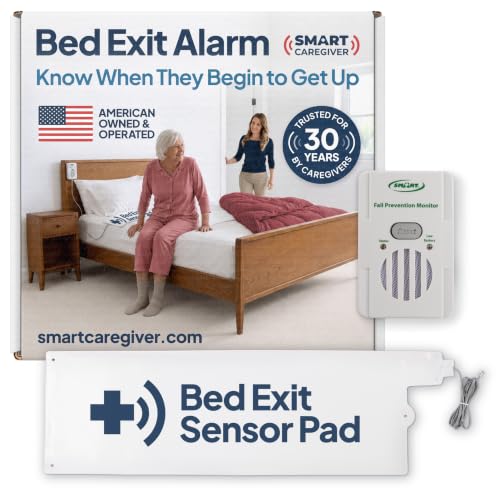
- Triggers when pressure is removed from the pad
- Optional wireless caregiver alerts available separately
- Easy under-sheet placement with cleanable vinyl pad
Best For: Caregivers needing a simple overnight bed-exit alarm for dementia or fall prevention.
Best for Daily Routine Reminders
7'' Dementia Clock for Seniors
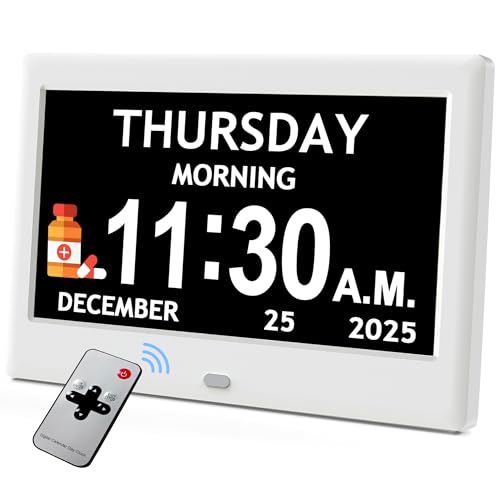
- 7-inch HD screen with oversized, easy-to-read numbers
- 10 reminders and 8 alarms for daily tasks and medications
- Auto-dimming, remote control, and wall/desktop placement
Best For: Seniors who need a clear clock with routine reminders and time orientation support.
Best for 24/7 GPS Monitoring
Medical Guardian MGMini Alert Device

- Small, discreet wearable with lanyard or belt-clip options
- GPS tracking plus 4G LTE coverage for everyday mobility
- U.S.-based operator responds in about 10 seconds
Best For: Seniors and caregivers who want a compact alert device with GPS tracking and fast emergency response.
Best for Quiet Nighttime Monitoring
Lunderg Wireless Early Alert Bed Alarm

- Private wireless pager alerts before bed exit
- No Wi-Fi, app, or tools needed
- Adjustable volume plus vibration mode
Best For: Caregivers who want a discreet bed-exit alert for dementia or fall prevention.
Best for Direct Family Alerts
SecuLife Medical Alert Pendant

- Sends SOS alerts straight to family contacts
- Auto fall detection plus GPS and geofencing
- Waterproof, wearable, and senior-friendly
Best For: Families who want direct caregiver alerts and location tracking for a loved one with memory loss.
Best for GPS Tracking

- Fall detection with SOS emergency calling
- Live GPS tracking and geo-fence alerts
- Two-way calling with caregiver app support
Best For: Seniors or memory-care users who need location monitoring and quick caregiver alerts.
Best for Simple Dementia Reminders – Digital Alarm Clock for Seniors
If you’re comparing Alzheimer’s safety devices for daily living, this digital alarm clock is a practical pick for keeping time, date, and reminders visible and easy to understand. The large 7-inch display, voice time announcement, and multiple alarm options make it useful for seniors who need gentle, low-effort support at home.
Best For: Seniors with dementia or low vision who need a simple clock for medication reminders, schedule cues, and day/date awareness.
Pros:
- Large, clear display shows day, month, and date without confusing abbreviations
- Voice announcement can read the time in 9 languages for easier checking
- Multiple alarms help with medication, appointments, and daily routines
- Auto dimming adjusts brightness for day and nighttime use
Cons:
- Focused on reminders rather than broader home safety monitoring
- Requires setup, which may be easier with caregiver help
For families looking at Alzheimer’s safety devices for daily living, this clock stands out as a straightforward, low-stress way to reduce confusion around time and routines. It’s especially appealing if readability and reminder features matter more than advanced smart functions.
Best for Bedside & Exit Alerting – Smart Caregiver Floor Mat Alarm
If you want a simple, practical layer of protection in Alzheimer’s safety devices for daily living, this floor mat alarm is designed to alert a caregiver the moment someone steps out of bed or heads toward a door. The included pager can sound or vibrate up to 300 feet away, helping you monitor movement without adding loud noise in the room.
Best For: Caregivers who need a straightforward bedside or doorway alert system for fall prevention and wandering prevention in home or facility settings.
Pros:
- Triggers instantly when pressure is placed on the mat, helping catch bed exits and wandering attempts early
- Wireless pager offers sound or vibration alerts, so it can be used discreetly around the patient
- Easy placement next to a bed or by an exit door for flexible daily monitoring
- Can pair with other Smart Caregiver devices for a broader safety setup
Cons:
- Pager batteries are not included
- Mat-based alerts only work when the user steps onto the sensor area
- Better as an alerting tool than a full prevention system on its own
This is a solid fit if you want dependable, low-friction monitoring that supports Alzheimer’s safety devices for daily living without making the room feel clinical or noisy. It’s especially useful when your priority is knowing immediately when someone gets up, rather than adding complicated setup or extra equipment.
Best for Easy Time Orientation – 7'' Dementia Clock With Reminders
If you’re comparing Alzheimer’s safety devices for daily living, this 7-inch dementia clock is a practical pick for keeping time, date, and routine cues visible at a glance. The large HD display, reminder system, and auto-dimming design make it especially useful for seniors who need gentle daily structure without a complicated setup.
Best For: Seniors, caregivers, and families who want a simple, highly visible clock that supports medication timing, daily routines, and day-to-day orientation.
Pros:
- Large 7-inch HD display with bold numbers that are easy to read across the room
- Shows time, date, weekday, and day phase to reduce confusion
- Includes 6 alarms, 10 reminders, and visual activity icons for routine support
- Auto-dimming plus remote control make it easier to use day and night
Cons:
- Must stay plugged in, so it is not a portable clock
- Feature-rich enough that some users may need help during initial setup
- Wall-mount or desktop placement may still require a stable power outlet nearby
For households looking for Alzheimer’s safety devices for daily living, this clock stands out as a low-stress way to reinforce routines and reduce time-related anxiety. It’s especially appealing if you want visible reminders without adding another complex care device.
Best for Bed-Exit Alerts – Smart Caregiver Bed Alarm for Elderly Adults
If you’re comparing Alzheimer’s safety devices for daily living, this bed-exit alarm is a straightforward option for monitoring when a loved one gets up from bed. It uses a 10″ x 30″ weight-sensing pad to trigger an alert as soon as pressure is removed, giving caregivers a timely heads-up without needing complicated setup.
Best For: Caregivers who want a simple, reliable bed alarm for dementia or fall-risk monitoring, especially for overnight supervision.
Pros:
- Instantly alerts when the wearer leaves the bed, helping reduce fall risk
- Includes flexible alert options, with optional wireless caregiver notification
- Easy to place under the fitted sheet and simple to clean for daily use
- Low-battery and sensor status lights help support dependable operation
Cons:
- Wireless caregiver alerts require a separate add-on kit
- Not a full monitoring system; it only covers bed-exit detection
- Runs on a 9-volt battery unless you buy the optional AC adapter
For families building a practical set of Alzheimer’s safety devices for daily living, this bed alarm stands out for its focused function and easy deployment. It’s a useful pick when the main priority is knowing quickly when someone is trying to get out of bed.
Best for Daily Routine Reminders – 7'' Dementia Clock for Seniors
This 7-inch dementia clock is a practical pick for Alzheimer’s safety devices for daily living when the goal is to reduce confusion around time, date, and routine tasks. Its oversized display, full-day visibility, and reminder features make it easier for seniors to stay oriented and on schedule without constant prompting.
Best For: Seniors who need a clear, easy-to-read clock with medication, hydration, and daily routine reminders.
Pros:
- Large 7-inch HD screen with bold time, date, and weekday display
- 10 reminders and 8 alarms help support daily routines and meds
- Auto-dimming, remote control, and multiple language/display options
Cons:
- Requires constant power from the included adapter
- Reminder and alarm setup may take a little time at first
For families comparing Alzheimer’s safety devices for daily living, this clock stands out because it combines orientation support with simple reminder tools in one easy-to-place device. It is especially useful for bedrooms, kitchens, and other high-traffic spots where a visible routine cue can make the day run more smoothly.
Best for 24/7 GPS Monitoring – Medical Guardian MGMini Alert Device
For families comparing Alzheimer’s safety devices for daily living, the Medical Guardian MGMini stands out as a discreet medical alert option with 24/7 monitoring, GPS location updates, and instant access to help. It is designed for seniors who want a lightweight device they can wear at home or while out and about, without giving up independence.
Best For: Seniors and caregivers who want a compact, wearable alert device with GPS tracking and fast emergency response.
Pros:
- Small, discreet design with lanyard or belt-clip wear options
- Two-way speaker connects to a U.S.-based operator in about 10 seconds
- GPS tracking and dual-network coverage help improve reliability on the go
- Up to 3 days of battery life supports everyday use
Cons:
- Requires a paid subscription after the free trial month
- Fall detection costs extra if you want that added layer of protection
This is a strong fit when you want simple emergency support rather than a full caregiving platform. For Alzheimer’s safety devices for daily living, the MGMini is especially useful for users who still move around independently but need quick help, tracking, and reassurance built into one small device.
Best for Quiet Nighttime Monitoring – Lunderg Wireless Early Alert Bed Alarm
If you’re comparing Alzheimer’s safety devices for daily living, this Lunderg bed alarm stands out for alerting a caregiver before a loved one fully gets up, without sounding an in-room alarm that may startle them.
Best For: Dementia caregivers who want a wireless, low-stress bed-exit alert with no app, Wi-Fi, or bedside noise.
Pros:
- Wireless pager alerts the caregiver privately, helping preserve dignity and reduce agitation.
- Pre-rise sensor placement is designed to notify you before the person is out of bed.
- Simple setup with no Wi-Fi, app, or tools required, plus adjustable pager volume and vibration mode.
- Includes batteries and offers up to 400 ft. range for flexible home use.
Cons:
- Works best for bed-exit monitoring, not broader in-home wandering prevention.
- Requires the caregiver to carry the pager, so it’s not a fully hands-free system.
- Sensor pads are consumable and will eventually need replacement.
This is a strong fit if you want Alzheimer’s safety devices for daily living that focus on early warning rather than disruptive alarms. It’s especially appealing for nighttime fall prevention when calm, private alerts matter more than bells and whistles.
Best for Direct Family Alerts – SecuLife Medical Alert Pendant
If you’re comparing Alzheimer’s safety devices for daily living, this pendant stands out for sending alerts straight to family instead of routing every emergency through a call center. It combines fall detection, GPS tracking, 2-way calling, and a waterproof design in one wearable device, which makes it a practical option for older adults who need simple, always-on support.
Best For: Seniors or memory-care households that want direct caregiver notifications, live location tracking, and an easy wearable emergency button.
Pros:
- Alerts go directly to preselected family contacts, which can speed up response time.
- Includes auto fall detection, SOS calling, and GPS with geofence alerts.
- Waterproof, wearable 24/7, and designed with a large, senior-friendly SOS button.
- No contract required, with 2-way voice calling and live tracking features.
Cons:
- Requires a $20 monthly subscription.
- Feature set may be more than some users need for very basic safety monitoring.
- Works best when caregivers are comfortable managing app-based alerts and tracking.
For families looking for Alzheimer’s safety devices for daily living, this is a strong pick if your priority is direct communication, location awareness, and fall response without relying on a traditional monitoring center. The tradeoff is the ongoing subscription, but the all-in-one setup may be worth it for hands-on caregiving.
Best for GPS Tracking – SecuLife SOS Wristband
For families comparing Alzheimer’s safety devices for daily living, the SecuLife SOS Wristband stands out for its mix of fall detection, GPS location tracking, and simple one-touch emergency calling. It’s designed to help caregivers monitor a wearer’s whereabouts, set safe zones, and respond quickly when help is needed.
Best For: Seniors or memory-care users who need location monitoring, SOS calling, and caregiver alerts in one wearable device.
Pros:
- Automatic fall detection plus one-button SOS calling
- Real-time GPS tracking with geo-fence alerts
- Two-way voice calling and caregiver app monitoring
- Water-resistant IP67 design for everyday wear
Cons:
- Requires a $25 monthly subscription
- No screen, which may limit user interaction
- Best features depend on app setup and ongoing service
This is a practical choice if you want an easy-to-wear safety bracelet that combines emergency response and location oversight. For Alzheimer’s safety devices for daily living, it’s strongest when wandering risk and caregiver visibility are top priorities.
How We Picked These Alzheimer’s Safety Devices for Daily Living
We focused on devices that solve common care challenges: missed medications, wandering risk, nighttime falls, and delayed emergency response. Priority went to products that are simple to set up, easy to understand, and useful for both the person living with memory loss and the caregiver supporting them.
We also looked for clear alerts, dependable power or battery performance, and features that fit real-world home care rather than unnecessary complexity.
Quick Comparison
Think of the lineup in three groups: reminder clocks for routine support, bed and floor alarms for fall and wandering alerts, and medical alert wearables for help away from home. That makes it easier to match the device to the biggest daily safety concern.
Key Buying Factors for Alzheimer’s Safety Devices for Daily Living
Ease of Use
Large displays, voice announcements, simple buttons, and straightforward setup matter more than advanced features. Devices should reduce confusion, not add to it.
Alert Type and Response Speed
Consider who gets notified and how quickly. Some systems sound an in-room alarm, while others send alerts to a caregiver pager, family phone, or monitoring center. Choose based on how close the caregiver is and how urgent the response needs to be.
Location and Mobility Needs
For bedside safety, bed pads and early-alert systems can help with nighttime movement. For trips outside the home, GPS-enabled wearables and fall-detection devices are usually the better fit.
Routines and Memory Support
Clocks with date, day, and reminders can reinforce structure throughout the day. For many families, these are among the most helpful Alzheimer’s Safety Devices for Daily Living because they support independence without constant supervision.
Comfort, Power, and Maintenance
Check whether the device is wearable, wall-powered, battery-powered, or requires charging. Lower-maintenance options are usually easier for long-term use.
Who Should Buy Which Alzheimer’s Safety Devices for Daily Living?
If the main concern is confusion about time or daily routine, choose a dementia clock with reminders and voice prompts. If nighttime wandering or bed exits are the issue, a bed alarm or early-alert mattress system is more appropriate. If the person still goes out independently, a GPS medical alert pendant or wristband offers broader protection.
Families often get the best results by combining two categories, such as a reminder clock for daily structure and a wearable alert device for emergencies. The right mix depends on the person’s mobility, supervision level, and comfort with technology.