Choosing the right medication dispenser can make daily routines safer and far less stressful for people living with memory loss.
This roundup of automatic pill dispensers for dementia patients focuses on lockable designs, clear alerts, and caregiver-friendly features that help reduce missed or double doses.
Best 10 Automatic Pill Dispensers for Dementia Patients Picks for 2026
Locked Caregiver Station
e-Pill MedTime Station Locked Automatic Medication Dispenser
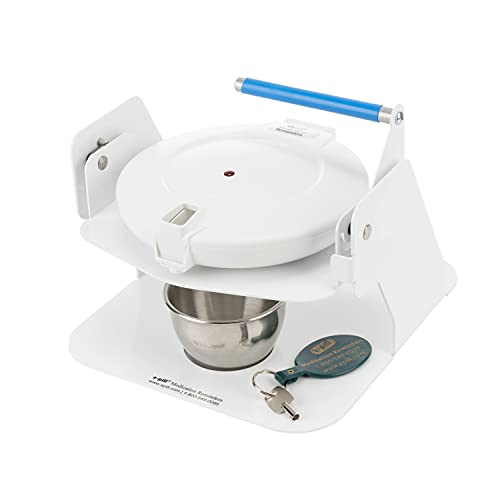
- Locked lid helps prevent tampering
- 28 compartments with audible/visual alerts
- Includes tipper base, cup, and keys
Best For: caregivers managing dementia or Alzheimer's medication schedules
Easy-Access Alarm Dispenser
Live Fine Automatic Locking Pill Dispenser

- Lockable cover with manual key
- Jumbo LCD with audio and visual alerts
- Sliding window for easier daily access
Best For: families wanting a simple lockable dispenser with clear reminders
Caregiver-Controlled Med Station
e-Pill MedTime Station Locked Automatic Pill Dispenser

- Automatically rotates to scheduled doses
- Locked access helps prevent double dosing
- Includes reminders, tipper base, and cup
Best For: memory-care or home caregiver routines needing controlled dosing
Simple Monthly Reminder Box
Windtrace Automatic Pill Dispenser for Elderly with Alarm

- Loud alarm with flashing blue light
- 6 dosage rings for flexible schedules
- Lightweight body with sliding access window
Best For: families wanting a simple reminder dispenser with easy setup
Weekly reminder dispenser

- Louder alarm repeats every 30 minutes if pills aren’t taken.
- Flashing red light points to the next compartment.
- Big letters, braille, and finger-tip tabs aid easier use.
Best For: Seniors who need a simple weekly dispenser with strong sound and light reminders.
Locked monthly dispenser

- Lockable frosted lid helps prevent accidental access.
- Up to 6 daily alarms with sound-light reminders.
- 28 compartments and dosage rings support monthly routines.
Best For: Caregivers who want a secure monthly dispenser with flexible alarms.
Simple daily dispenser

- One-press dispensing keeps daily use simple.
- Sound, light, or both can be selected for reminders.
- Moisture-resistant design includes dual desiccant slots.
Best For: Home users who want a straightforward no-app dispenser with easy daily dispensing.
Locked Monthly Organizer
Betife 2nd Gen Automatic Pill Dispenser for Elderly

- 28-slot monthly supply with locked carousel
- Alarm and light reminders for scheduled doses
- XL LCD and simple 6-button setup
Best For: caregivers managing monthly meds for seniors who need a locked, easy-to-read dispenser
Caregiver Lock & Alert Pick
Senyerkare Automatic Pill Dispenser with Lock

- Up to 6 sound-and-light alarms daily
- Locking cover with two included keys
- Detachable carousel and bright LCD
Best For: families and caregivers needing a secure, easy-to-run dispenser with frequent reminders
Smart Bluetooth Tracking Pick

- Bluetooth app control with up to 6 daily alarms
- Dose logs and missed-dose tracking in the app
- Fingerprint unlocking plus mechanical backup lock
Best For: caregivers who want app-based medication management with tracking and security
Locked Caregiver Station – e-Pill MedTime Station Locked Automatic Medication Dispenser
If you need automatic pill dispensers for dementia patients, this locked e-Pill station is built to reduce missed doses and double dosing while keeping medications secured between scheduled times. It combines a 28-compartment tray with audible and visual reminders, plus a tipper base and medicine cup to make retrieval easier for seniors with limited dexterity.
Best For: Caregivers and families who want a locked, all-in-one dispenser for seniors, Alzheimer’s, or dementia medication routines.
Pros:
- Locked lid helps prevent tampering and accidental access.
- Up to 28 daily alarms with audible and visual reminders.
- Includes tipper base, stainless-steel cup, keys, and batteries.
- Silver ion antimicrobial protection supports easier hygienic cleaning.
Cons:
- Bulkier than a simple pill organizer.
- Requires setup and loading of the tray schedule.
This is a strong pick when security and dose timing matter more than portability. The caregiver-friendly design and included accessories make it especially practical for at-home medication management.
Easy-Access Alarm Dispenser – Live Fine Automatic Locking Pill Dispenser
For shoppers comparing automatic pill dispensers for dementia patients, this Live Fine model focuses on clear reminders and straightforward access. It uses a 28-day carousel, customizable dosage rings, and audio/visual alerts, while the sliding retrieval window is designed to make daily access easier for seniors and arthritis sufferers.
Best For: Users who want a lockable, easy-to-program pill dispenser with strong reminder features.
Pros:
- Lockable cover adds security for caregiver-managed routines.
- 9 interchangeable dosage rings support customized schedules.
- Jumbo LCD display improves visibility of time and alarms.
- Sliding retrieval window helps with easier pill access.
Cons:
- Less specialized caregiver system than some locked dispenser stations.
- Reminder window is described as 30 minutes, which may be brief for some users.
This model is a good middle-ground option if you want secure storage without a complicated setup. Its large display and simple controls make it appealing for routine daily use.
Caregiver-Controlled Med Station – e-Pill MedTime Station Locked Automatic Pill Dispenser
Among automatic pill dispensers for dementia patients, this e-Pill MedTime Station is aimed at caregiver-controlled medication management at home or in memory care settings. It automatically rotates to the scheduled dose, locks between access times, and includes audible and visual reminders plus a low-battery alert for added reliability.
Best For: Caregiver-led medication routines where security and adherence are the top priorities.
Pros:
- Automatically rotates to the correct medication at the scheduled time.
- Locked design helps prevent access outside dosing windows.
- Includes tipper base and stainless-steel medicine cup for easier retrieval.
- 28 compartments with audible/visual reminders and low-battery alert.
Cons:
- More of a managed system than a simple grab-and-go pill box.
- Best suited to users whose meds can be preloaded on a schedule.
This is a practical pick when a caregiver wants tighter control over medication timing and access. It offers the same core locked-dispenser concept with a strong emphasis on routine support.
Simple Monthly Reminder Box – Windtrace Automatic Pill Dispenser for Elderly with Alarm
If you’re shopping for automatic pill dispensers for dementia patients, this Windtrace option is built around simplicity, visibility, and easy programming. It offers a 28-slot round tray, loud alarm with flashing light, and a sliding retrieval window, making it straightforward for families who want a basic reminder-focused dispenser.
Best For: Users who want a lightweight, easy-to-set-up dispenser with loud reminders and a visible layout.
Pros:
- Loud alarm and flashing blue light improve reminder visibility.
- 6 dosage rings support different daily, weekly, or monthly routines.
- Sliding medication window helps seniors and arthritis sufferers.
- Lightweight design and easy setup are practical for home use.
Cons:
- Plastic build feels less substantial than metal-bodied options.
- Round format may not suit users who prefer a box-style dispenser.
This is a straightforward choice if you want an alarmed dispenser without a heavy, complex system. The combination of loud alerts and easy access makes it user-friendly for basic medication routines.
Weekly reminder dispenser – 7-Day AM/PM Pill Reminder Box
If you’re comparing automatic pill dispensers for dementia patients, this Med-Q model focuses on simple weekly organization and strong reminders. It uses louder repeating alarms, a flashing light that points to the next compartment, and easy-to-read features that can help reduce confusion during daily dosing.
Best For: Seniors or caregivers who want a straightforward 7-day AM/PM dispenser with escalating alarms and clear visual cues.
Pros:
- Alarm starts soft and gets louder over 5 minutes, then repeats every 30 minutes if a dose is missed.
- Flashing red light shows which compartment to open next.
- Big letters, braille markings, and oversized finger-tip tabs support easier use.
- 14 removable compartments organize a full week of morning and evening doses.
Cons:
- Weekly layout is less flexible than 28-day dispensers for more complex schedules.
- Requires battery changes, with AA batteries lasting about 14 months.
Overall, this is a practical choice if you want a simple medication routine with persistent reminders and clear compartment guidance. It keeps the design focused on visibility, sound, and easy opening rather than advanced scheduling.
Locked monthly dispenser – 28-Day Smart Alarm Box
For shoppers researching automatic pill dispensers for dementia patients, this EziMedPil unit leans into large-capacity monthly organization and caregiver-friendly controls. It combines sound and light alerts, a lockable frosted lid, and multiple daily alarm options to help reduce missed doses and accidental double dosing.
Best For: Dementia or chronic-care households that want a locked, high-capacity dispenser with flexible daily alarms.
Pros:
- Lockable frosted lid helps protect privacy and prevent accidental access.
- Supports up to 6 daily alarms with sound, light, volume, and ringtone options.
- Large LCD display and built-in magnifier make settings and labels easier to read.
- 28 compartments and interchangeable dosage rings support bigger monthly routines.
Cons:
- More setup involved than a basic weekly pill box because of the alarm and dosage settings.
- The product notes emphasize home and caregiver use, not institutional settings.
This is a strong pick if your priority is structured medication control over a full month. The lockable design and flexible reminders make it especially useful when privacy, access control, and clearer dosing are all important.
Simple daily dispenser – 28-Day No-App Alarm Tray
If you’re shopping for automatic pill dispensers for dementia patients and want something very simple to operate, this one keeps the process manual and direct. It uses a one-press dispense action, sound and light alerts, and a slide-door cup design to make daily medication handling easier without an app.
Best For: Home users who want a no-app, easy-to-use daily dispenser with moisture protection and simple alerts.
Pros:
- One-press dispensing releases today’s dose without lifting or rotating a tray.
- Sound-only, light-only, or combined alerts can match different needs.
- Slide-door cup design is meant to be cleaner and easier for shaky hands or weak grip.
- Moisture-resistant lid and dual desiccant slots help keep medication dry.
Cons:
- Designed for home/non-institutional use only.
- Not suitable for add-on trays, so expansion options are limited.
This model stands out for keeping the daily action as simple as possible while still adding reminders and moisture protection. It’s a solid fit if you want a low-tech dispenser that feels easier to manage than more complicated rotating systems.
Locked Monthly Organizer – Betife 2nd Gen Automatic Pill Dispenser for Elderly
If you’re comparing automatic pill dispensers for dementia patients, this Betife model is built around simplicity and control. It stores a 28-slot monthly supply, uses a lockable carousel, and adds alarm plus light reminders to help reduce missed or duplicate doses. The large LCD and one-button-per-function layout also make setup and daily use more approachable for caregivers and seniors.
Best For: Caregivers who want a locked, easy-to-read monthly dispenser with straightforward setup.
Pros:
- 28-slot carousel supports a full monthly medication schedule
- Lockable design adds a layer of protection against unauthorized access
- XL LCD screen and oversized icons make the interface easier to read
- 6 dosage rings help match different dosing routines
Cons:
- Mechanical setup may still take a little time the first time you program it
- Battery or power details are not highlighted in the supplied notes
Overall, this is a practical pick if you want a simple locked dispenser with clear reminders and low-friction daily use. The mix-proof tray, alarm system, and easy-to-follow controls make it a strong fit for home medication management.
Caregiver Lock & Alert Pick – Senyerkare Automatic Pill Dispenser with Lock
For shoppers focused on automatic pill dispensers for dementia patients, this Senyerkare unit emphasizes reminders, security, and easy access for caregivers. It offers up to 6 audio and visual alarms per day, a clear LCD display, and a lockable cover with keys to help prevent accidental double-dosing or unauthorized access. The removable carousel and quick-fill design also keep monthly refills manageable.
Best For: Families and care providers who want a secure, straightforward dispenser with multiple daily reminders.
Pros:
- Up to 6 daily audio and visual alarms support multi-dose routines
- Locking cover with two keys helps restrict access
- Detachable carousel makes filling and refilling easier
- Large-letter LCD and 3-button programming keep controls simple
Cons:
- It relies on manual programming rather than app control
- Users still need to physically open and invert the unit to dispense medication
This model is a good fit if your priority is dependable reminders and basic security without extra tech complexity. Its clear display, easy refill design, and locked access make it especially practical for caregiver-managed medication routines.
Smart Bluetooth Tracking Pick – Betife Bluetooth Pill Box
If you want automatic pill dispensers for dementia patients with more caregiver oversight, this Betife smart dispenser adds app control and medication tracking. It pairs with Bluetooth so you can set up to 6 alarms, name the device, upload pill images, and log doses in the Pillcalendar app. The unit also keeps on-device controls, so it still works for users who prefer a more direct setup.
Best For: Caregivers who want app-based reminders and dose tracking alongside a physical dispenser.
Pros:
- Bluetooth app support lets caregivers manage alarms and medication details
- Dose logging and missed-dose tracking help monitor adherence
- On-device LCD and physical buttons provide a non-app fallback
- Fingerprint unlocking plus mechanical lock adds security
Cons:
- Bluetooth/app features may be more than some users need
- Caregivers still need to confirm doses in the app for tracking
This is the most connected option in the group, making it useful when family members want visibility into medication routines. If you value alerts, logging, and flexible control methods, it offers a strong balance of convenience and oversight.
How We Picked the Best Automatic Pill Dispensers for Dementia Patients
We focused on features that matter most for real-world medication management: secure locking, loud and clear reminders, simple loading, dose visibility, and day-to-day ease for both patients and caregivers. We also favored designs that support monthly organization, backup alerts, and straightforward controls over gimmicky extras.
Quick Comparison
In this category, the main differences come down to security, reminder style, and setup complexity. Some models prioritize caregiver control and lockout protection, while others are better for users who need a simple, all-in-one reminder system with fewer steps. If you want the most hands-off option, look for stronger locking and alarm escalation. If you want easier daily use, choose a model with large labels, an easy-fill tray, and clear visual cues.
Key Buying Factors for Automatic Pill Dispensers for Dementia Patients
Locking and Missed-Dose Prevention
For dementia care, a lockable lid or controlled-access design can be just as important as the alarm. It helps prevent double dosing, pill dumping, and accidental access to the wrong compartments.
Alarm Strength and Alert Types
Sound, flashing light, and repeated alerts all help improve adherence. If the user has hearing loss or sleeps deeply, choose a unit with louder alarms or a visual cue that continues until the dose is taken.
Ease of Loading and Reading
Large compartments, clear labels, and simple fill patterns reduce caregiver errors. A good dispenser should be easy to set up weekly or monthly without needing a complex app or lengthy instructions.
Power, Backup, and Reliability
Check whether the unit uses batteries, wall power, or both, and whether it includes backup protection for power loss. Reliability matters more than smart features when medication timing is critical.
Match the Dispenser to the User
For mild memory issues, a simpler alarmed pill organizer may be enough. For moderate to advanced dementia, Automatic Pill Dispensers for Dementia Patients with locking lids, caregiver oversight, and stronger reminders are usually the safer choice.
Who Should Buy Which Automatic Pill Dispensers for Dementia Patients?
Caregivers managing multiple daily medications should look for lockable, multi-alarm models with easy refill access. Seniors who only need a light nudge may do well with a simpler alarmed organizer. If the user tends to repeat doses, wander, or tamper with pills, prioritize stronger access control over convenience features. If you want remote oversight, app-enabled models can help, but only if the user or caregiver is comfortable with setup and phone-based management.