Choosing the right alert system can make daily dementia care safer, calmer, and less reactive. The best setups help caregivers respond early to rising, wandering, or help requests without adding confusion or noise.
This roundup highlights 10 options built for home use, with a focus on reliability, ease of setup, and the type of monitoring each family actually needs.
Best 10 Caregiver Alert Systems for Dementia Care Picks for 2026
Best for PreRise Early Alerts
Lunderg Wireless Bed & Chair Alarm Set

- Early-alert bed pad helps notify you before standing up
- Wireless pager avoids an in-room alarm beside the patient
- Includes both bed and chair sensors for fuller coverage
Best For: Caregivers who want a simple wireless alert system for dementia care with earlier warning and less disturbance.
Best for Long-Range Coverage
CallToU Wireless Caregiver Pager
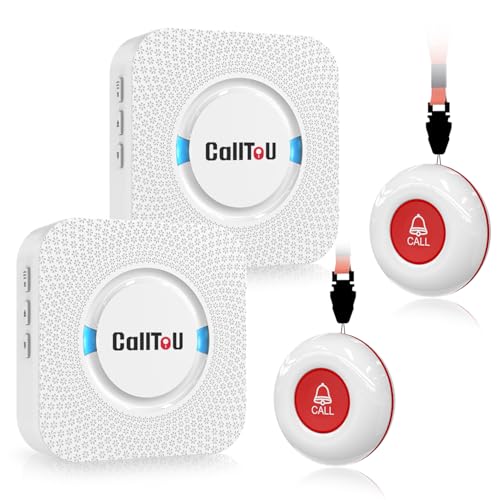
- 2 buttons and 2 receivers included
- 500+ ft open-area range
- 55 tones with adjustable volume
Best For: Families needing a simple multi-room alert system for dementia care.
Best for Silent Wireless Alerting
Lunderg Wireless Bed Alarm System

- Wireless pager alerts without a loud bedside alarm
- No Wi-Fi or app; includes pager, pad, and batteries
- Adjustable volume plus vibration-only mode
Best For: Family caregivers who want a quiet bed-exit alert for dementia or elderly safety.
Best with Wi‑Fi App Alerts
PILSAMAS WiFi Caregiver Pager Smart Call System

- Wi‑Fi hub with app alerts and device naming
- No monthly fee for core notifications
- IP65 waterproof buttons and wristband
Best For: Families and care facilities that need quick, location-aware alerts for dementia care.
Best for Early Bed-Exit Alerts
Lunderg Wireless Early Alert Bed Alarm

- Wireless pager alerts the caregiver, not the room
- Pre-rise detection aims to warn before standing up
- No Wi-Fi, app, or tools needed for setup
Best For: Caregivers who need a discreet bed-exit alert for dementia or fall prevention at home.
Best for Doorway and Bedside Alerts
Smart Caregiver Floor Mat Alarm

- Wireless pager with sound or vibration alerts
- Place by bed or exit for wandering prevention
- Works with other Smart Caregiver alarms
Best For: Caregivers who need a simple wireless alert for bed exits and doorway wandering.
Best for Bed Exits
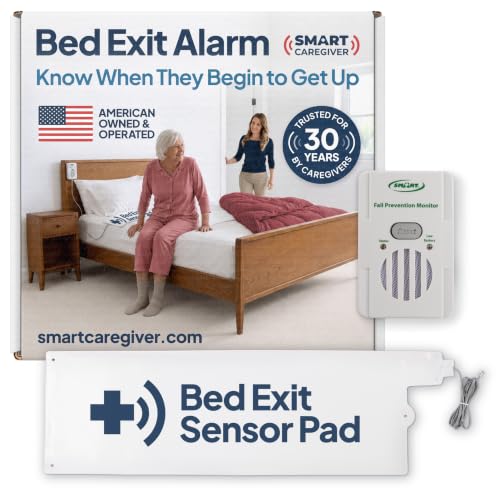
- Pressure pad triggers when the user gets out of bed
- Optional wireless alert kit can notify the caregiver quietly
- Simple setup with a washable, incontinence-resistant sensor pad
Best For: Families needing a dependable bed-exit alarm for nighttime dementia supervision.
Best for Motion Alerts
Smart Caregiver Wireless Motion Sensor Alarm

- Wireless pager alerts from up to 300 feet away
- Helps monitor bed or door movement quietly
- Mountable sensor fits common fall and wandering points
Best For: Caregivers who want a quiet wireless motion alert for tracking movement and wandering risk.
Best for Bed-Exit Monitoring
Smart Caregiver Bed Exit Alarm

- Wireless pager with sound and vibration
- Large pressure-sensing pad for early alerts
- Expandable to six Smart Caregiver sensors
Best For: Caregivers who need simple overnight bed-exit alerts for seniors or dementia patients.
Best for Chair Exit Alerts
Smart Caregiver Chair Exit Alarm System

- Wireless pager can sound or vibrate for discreet alerts
- Large 10" x 15" chair pad is simple to place and use
- Up to 300-foot range supports room-to-room caregiving
Best For: Caregivers who need a straightforward chair-exit alarm for dementia monitoring and fall prevention.
Best for PreRise Early Alerts – Lunderg Wireless Bed & Chair Alarm Set
If you want caregiver alert systems for dementia care that notify you before a loved one fully gets up, this Lunderg set is built for that job. It uses a wireless pager instead of an in-room alarm, and the bed pad is placed at hip level to help reduce false triggers from normal shifting.
Best For: Caregivers who need a wireless, low-disturbance bed-and-chair alert system for dementia or fall-prone seniors.
Pros:
- PreRise bed pad placement is designed to alert before the person fully exits the bed
- Wireless pager keeps alerts with the caregiver, not beside the patient
- Includes both bed and chair pads for round-the-clock monitoring
- No Wi-Fi, app, or tools required for setup
Cons:
- Pager must be carried or kept nearby to receive alerts
- Requires proper pad placement for the most accurate results
For families comparing caregiver alert systems for dementia care, this model stands out for its early-notice approach and simple wireless design. It is a practical pick if you want to reduce nighttime surprises without adding an alarm that may startle the person you’re caring for.
Best for Long-Range Coverage – CallToU Wireless Caregiver Pager
If you’re comparing caregiver alert systems for dementia care, the CallToU Wireless Caregiver Pager is a simple, low-stress way to give a person in another room a one-button way to request help. With two buttons and two plug-in receivers, it fits homes where caregivers move between bedrooms, kitchens, and living areas and need alerts to follow them.
Best For: Families who want a straightforward alert system for dementia care with extra receivers and easy room-to-room coverage.
Pros:
- Two call buttons and two receivers help cover multiple rooms.
- 500+ ft open-area range supports larger homes and flexible placement.
- 55 ringtones and adjustable volume make alerts easier to customize.
- Waterproof, dustproof buttons are practical for bathrooms and daily use.
Cons:
- Receivers must stay plugged into an outlet.
- Range is best in open areas and may vary with walls or interference.
Overall, this is a practical pick if you want caregiver alert systems for dementia care that are easy to set up, cover more than one room, and let help be requested quickly without adding complexity.
Best for Silent Wireless Alerting – Lunderg Wireless Bed Alarm System
If you want caregiver alert systems for dementia care that notify you without startling your loved one, the Lunderg Wireless Bed Alarm System is built for that job. The sensor pad sends a wireless signal to a portable pager, so you can respond quickly when someone gets out of bed without using a loud in-room alarm.
Best For: Family caregivers who need a quiet, low-fuss bed-exit alert for dementia or elderly safety at home.
Pros:
- Wireless pager alerts keep the room quiet and reduce fear or agitation.
- Simple setup with no Wi-Fi or app required; includes pad, pager, and batteries.
- Adjustable volume and vibration-only mode make it easier to use overnight.
- Anti-slip stickers and washable pad help reduce false alarms.
Cons:
- Only alerts after bed exit unless you upgrade to the Early Alert version.
- Best suited for bedside use, not a full home monitoring system.
- Works around a 400-foot range, which may not fit larger properties.
For caregivers who value dignity and practicality, this is a strong fit among caregiver alert systems for dementia care. It focuses on discreet notification rather than an intrusive alarm, which makes it especially appealing for nighttime monitoring at home.
Best with Wi‑Fi App Alerts – PILSAMAS WiFi Caregiver Pager Smart Call System
If you want caregiver alert systems for dementia care that make it easier to identify who needs help and where, this PILSAMAS setup is worth a look. It combines a Wi‑Fi smart hub with wearables and call buttons, plus app alerts and caller ID-style location labeling so family or staff can react faster.
Best For: Families, home caregivers, and nursing settings that want a no-monthly-fee alert system with app notifications, multiple call points, and waterproof wearables for bathroom-heavy routines.
Pros:
- App alerts can name the room or device, making it easier to pinpoint the source of an emergency
- No monthly fee for core app notifications, with optional SMS/call/email upgrades if needed
- IP65 waterproof wristband and buttons are suited for bathrooms, sinks, and humid areas
- Pre-paired setup and adjustable wristband make it simple to deploy quickly
Cons:
- Hub requires 2.4 GHz Wi‑Fi, so it won’t work on 5 GHz-only networks
- Some alert features such as SMS/call/email need an optional plan
- More advanced than a basic standalone pager if you only need a single-room alert
For caregiver alert systems for dementia care, this model stands out for its mix of location labeling, app access, and waterproof hardware. It is a practical fit when you need fast identification and broad coverage rather than a simple one-button alarm.
Best for Early Bed-Exit Alerts – Lunderg Wireless Early Alert Bed Alarm
If you’re comparing caregiver alert systems for dementia care, the Lunderg Wireless Early Alert Bed Alarm stands out for its wireless paging and pre-rise detection. It’s designed to notify you before your loved one fully gets out of bed, without an in-room alarm that could startle or agitate them.
Best For: Caregivers who want a discreet, wireless bed-exit warning system for dementia or elder fall prevention, especially in home settings.
Pros:
- Wireless pager alerts the caregiver instead of sounding in the room
- Pre-rise sensor placement aims to warn before the person is fully out of bed
- No Wi-Fi, app, or tools required for setup
- Includes adjustable volume, vibration mode, and up to 400 ft. range
Cons:
- Works best when the sensor pad is positioned correctly on the bed
- Requires managing batteries and replacing the sensor pad over time
- Only covers bed-exit monitoring, not broader room or doorway surveillance
For families who need a simple, non-invasive option, this is one of the more practical caregiver alert systems for dementia care because it prioritizes early notice and avoids the stress of a loud bedside alarm. It’s a focused solution rather than a full monitoring platform, but that can be exactly what many caregivers want.
Best for Doorway and Bedside Alerts – Smart Caregiver Floor Mat Alarm
If you need one of the more straightforward caregiver alert systems for dementia care, this floor mat alarm is built to flag bed exits and doorway wandering without adding noise in the patient’s room. Place the 24 in x 48 in mat beside a bed or by an exit, and the included pager can alert by sound or vibration from up to 300 feet away.
Best For: Caregivers who want a simple, wireless way to monitor nighttime bed exits and wandering risk from another room.
Pros:
- Wireless pager can sound or vibrate, helping avoid loud in-room alarms.
- Easy placement next to a bed or door for fall and wandering prevention.
- Pager can monitor multiple Smart Caregiver devices if you expand later.
- Includes a 1-year manufacturer warranty from a long-running caregiving brand.
Cons:
- Pager requires 2 AA batteries, which are not included.
- Floor mat coverage is limited to the mat’s size, so placement matters.
- It alerts the caregiver, but it does not physically stop the person from getting up.
This is a practical pick if you want caregiver alert systems for dementia care that are easy to set up and focused on immediate notification rather than complex monitoring features. It’s especially useful for bedrooms, hallways, and exit points where quick awareness matters most.
Best for Bed Exits – Smart Caregiver Bed Alarm
If you need a straightforward bed-exit monitor, this Smart Caregiver option fits well into caregiver alert systems for dementia care. It uses a pressure-sensitive pad to trigger an alarm when your loved one gets up, helping you respond quickly at night or during unsupervised rest periods.
Best For: Caregivers who want a simple, reliable bed alarm for dementia care with a discreet sensor pad and flexible alert options.
Pros:
- Pressure-sensing pad alerts as soon as weight is removed from the bed
- Optional wireless add-on can alert the caregiver without startling the patient
- Easy to place under the fitted sheet and simple to mount nearby
- Includes status lights plus low-battery monitoring for added peace of mind
Cons:
- Wireless caregiver notification requires a separate add-on kit
- Uses a wired pad connection, which may limit placement flexibility
- May be too basic for buyers wanting app-based monitoring
As caregiver alert systems for dementia care go, this model is a practical pick when the main need is fast bed-exit detection rather than a full smart-home setup. It focuses on dependable alerting, simple setup, and everyday caregiving use.
Best for Motion Alerts – Smart Caregiver Wireless Motion Sensor Alarm
For caregivers who need a simple way to monitor movement without keeping an alarm at the bedside, this Smart Caregiver wireless system is a practical option in caregiver alert systems for dementia care. It uses a motion sensor and pager to flag bed or door movement from up to 300 feet away, helping you respond faster to wandering or fall risk.
Best For: Dementia caregivers who want a wireless motion alert that keeps noise away from the patient while still giving them remote notifications.
Pros:
- Wireless pager alerts let you monitor movement from another room or area of the home
- Motion sensor helps reduce bedside noise and disruption for the person being monitored
- Mountable design works for beds, doors, and other movement points
- Long-range coverage adds flexibility for larger homes or care settings
Cons:
- Battery-powered setup means ongoing battery checks and replacements
- Motion-only detection may not suit caregivers who want a full multi-sensor system
- Not a medical emergency device, so it still requires active caregiver response
Overall, this is a straightforward pick for caregivers who want dependable movement alerts without overcomplicating setup. Among caregiver alert systems for dementia care, it stands out for keeping monitoring remote, quiet, and easy to place where wandering or bed exits are most likely.
Best for Bed-Exit Monitoring – Smart Caregiver Bed Exit Alarm
If you want one of the more practical caregiver alert systems for dementia care, this bed-exit alarm focuses on early warning instead of complicated setup. The pressure-sensitive pad alerts a wireless pager as soon as weight is removed, helping caregivers respond before a fall or nighttime wandering situation escalates.
Best For: Caregivers who need a simple, wireless bed-monitoring solution for seniors or dementia patients who are prone to getting up unassisted.
Pros:
- Wireless pager with both sound and vibration alerts
- Large 10″ x 30″ bed pad designed for early exit detection
- Expandable system supports up to six Smart Caregiver sensors
- U.S.-based company with long-running customer support
Cons:
- Works best for bed monitoring, not full-room coverage by itself
- Requires proper placement to help minimize false alarms
- More limited than multi-camera or app-based monitoring systems
This is a strong pick if your priority is fast, no-frills bed-exit alerts rather than a complex smart-home setup. Among caregiver alert systems for dementia care, it stands out for straightforward overnight monitoring, pager convenience, and the ability to expand into a broader safety network later.
Best for Chair Exit Alerts – Smart Caregiver Chair Exit Alarm System
If you need a simple way to reduce wandering and unassisted stand-ups, this chair alarm is a practical pick among caregiver alert systems for dementia care. It uses a wireless pressure pad and pager to notify a caregiver when someone gets up, making it easier to react quickly without keeping the room noisy.
Best For: Caregivers who want a straightforward chair-exit alert with a pager, long wireless range, and easy setup for home or facility use.
Pros:
- Wireless pager alerts with sound or vibrate for discreet monitoring
- 10″ x 15″ cordless chair pad is easy to place on a favorite seat
- Up to 300-foot range helps caregivers move around while still monitoring
- Can pair with other Smart Caregiver devices for expanded coverage
Cons:
- Designed for chair exits, so it won’t cover every fall-risk scenario
- Requires battery management for the pager and system upkeep
Overall, this system is a strong fit if your priority is quick chair-exit notification rather than a more complex monitoring setup. For families comparing caregiver alert systems for dementia care, it stands out for its easy placement, quiet paging option, and practical wireless range.
How We Picked the Best Caregiver Alert Systems for Dementia Care
We focused on Caregiver Alert Systems for Dementia Care that address real-world safety needs: early warning before bed exits, fast help signaling, and simple alerts that are easy to notice day or night. Preference went to systems with practical range, clear notification methods, and minimal setup friction.
Quick Comparison
Think in terms of use case first. Bed alarms and chair alarms are best for preventing unassisted standing. Floor mats add another layer for people who may not reliably trigger a bed sensor. Motion sensors work well for wandering-prone situations, while pager and button systems are better when the care recipient can still press for help.
Key Buying Factors for Caregiver Alert Systems for Dementia Care
Alert Type
Choose the alert style that fits the person’s behavior. Early-alert bed systems can warn before a full exit, while motion sensors and floor mats are better for broader room monitoring. If the person can communicate needs, call-button and pager setups may be enough on their own.
Notification Strength and Placement
Look for a receiver that you will actually hear or feel, especially if you sleep in another room. Consider whether the alert needs to reach one caregiver or multiple people across different parts of the home.
Comfort and Safety
For dementia care, quiet operation matters. Systems without an in-room alarm may reduce fear, startle response, and nighttime agitation. Also consider whether the sensor placement could be uncomfortable or create a tripping hazard.
Power, Connectivity, and Maintenance
Wireless systems can be easier to install, but they still need dependable power, battery checks, and a stable signal. App-based options may add convenience, while simple receiver-based systems can be easier for less tech-heavy households.
Who Should Buy Which Caregiver Alert Systems for Dementia Care?
If your main concern is nighttime bed exiting, choose a bed alarm or early-alert bed system. If wandering is the bigger issue, motion sensors or floor mats are often the better fit. If you need fast two-way help signaling from different rooms, a pager-and-button system may be the most practical choice. For many homes, the best solution is not one device but a layered setup tailored to the person’s routine and fall risk.