Caregiver alert systems with motion sensors can help families respond faster to wandering, bed exits, and unexpected movement without constant checking.
Below, we focus on practical options that balance range, alert style, setup ease, and everyday reliability for home caregiving.
Best 10 Caregiver Alert Systems with Motion Sensors Picks for 2026
Best for Quiet Monitoring
Smart Caregiver Wireless Motion Sensor Alarm System

- Wireless pager alerts you remotely when motion is detected
- Quiet bedside monitoring helps reduce disruptive alarm noise
- Mountable sensor works for beds or doors with up to 300' range
Best For: Caregivers who want a simple wireless motion alert system for home fall and wandering prevention.
Best for Multi-Room Paging
Wireless Nurse Call System, 10 Buttons

- Expands to 255 call buttons
- Up to 660-foot open-area range
- 7 languages and 8 alert tones
Best For: Clinics, nursing homes, and large spaces needing direct wireless paging.
Best Long-Range Bed Exit Alert
Upgrade Professional Bed Sensor Alarm
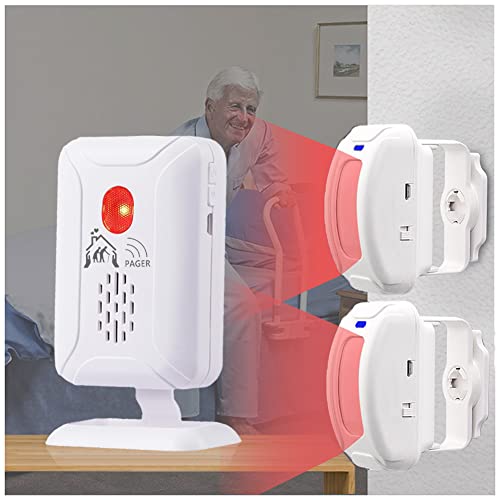
- 918-foot wireless range for wider home coverage
- Four alert modes with adjustable volume levels
- Works for bed exits or doorway movement monitoring
Best For: Caregivers who need a simple motion-triggered alert for beds or doorways.
Best for False-Alarm Reduction

- Infrared motion detection helps reduce false bed-movement alarms.
- Sensor ID display speeds up response and room identification.
- No monthly fees, local-only alerts, and strong 1,000 ft range.
Best For: Caregivers who want a private, easy-to-trust motion sensor alert system for dementia or fall monitoring.
Best for Easy Setup
Caregiver Pager Call Button Wireless Alert System

- 2 call buttons and 2 portable pagers included
- Adjustable volume with ding-dong or alarm modes
- Flexible mounting and wear options for home care
Best For: Families needing a simple, ready-to-use call alert system for seniors or patients.
Best for Wi‑Fi App Alerts
WiFi Smart Bed Sensor Alarm with App

- App and hub send movement alerts quickly
- Expandable system for additional sensors and hubs
- Good for under-bed or doorway monitoring
Best For: Families who want remote app alerts for bed-exit or room-exit monitoring.
Best for Motion-Triggered Monitoring
Wireless Caregiver Pager Motion Sensor Alarm

- 16.4 ft motion detection with a 110° view
- 58 tones and 5 volume levels up to 110 dB
- LED visual alerts for louder rooms or hearing-impaired users
Best For: Home caregivers who want a simple motion-based alert for rooms, doors, or bed-side monitoring.
Best for Footfall Alerts
Upgraded Bed Sensor Alarm with Motion Sensor
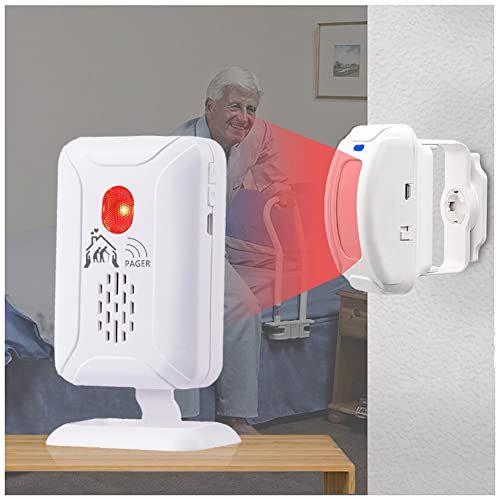
- Detects bed exits and doorway movement
- Caregiver-only receiver helps avoid startling patients
- Wireless with 5 volume levels and dual power options
Best For: Home caregivers monitoring bed exits, nighttime wandering, or room departures.
Best for Multi-Room Coverage
Wireless Motion Sensor Bed Alarm

- 3 motion sensors cover multiple monitoring points
- 2 plug-in receivers with sound and LED alerts
- 58 tones and 5 volume levels for customization
Best For: Families who need flexible motion alerts across beds, doors, or other key areas.
Best for Quiet Monitoring – Smart Caregiver Wireless Motion Sensor Alarm System
This Smart Caregiver alarm is a practical pick for caregivers who want caregiver alert systems with motion sensors that monitor movement without adding noise at the bedside. The wireless pager can alert you remotely when a bed or door sensor detects motion, making it useful for fall prevention and wandering awareness in everyday home care.
Best For: Families and caregivers who need a simple, wireless motion-alert setup for monitoring movement from another room.
Pros:
- Wireless motion sensor sends alerts to the pager for remote monitoring
- Helps reduce bedside alarm noise while still tracking movement
- Includes an adjustable mounting bracket for bed or door placement
- Up to 300′ range supports use across larger homes
Cons:
- Batteries are required for both units and may need occasional replacement
- Single-sensor setup may not cover every room or exit point
For buyers comparing caregiver alert systems with motion sensors, this model stands out for its straightforward remote-pager design and quiet operation. It is a solid fit when you want basic movement alerts without a more complex monitoring system.
Best for Multi-Room Paging – Wireless Nurse Call System, 10 Buttons
If you need caregiver alert systems with motion sensors-style responsiveness for a larger care setting, this wireless call system is a practical pick for quick patient-to-staff communication. It’s designed more like a paging network than a motion-triggered alarm, but the long range, multiple tones, and expandable button support make it useful in homes, clinics, and hospitality spaces.
Best For: Clinics, nursing homes, and multi-room care environments that need an easy-to-expand wireless call button system.
Pros:
- Supports up to 255 call buttons for easy expansion
- 660-foot open-area range helps cover large spaces
- 7 languages and 8 alert tones offer flexible setup
- Works on a desk or mounted to a wall for convenience
Cons:
- Not a true motion-sensor alarm system
- Signal range can drop near metal surfaces or obstacles
- Requires battery management for the call buttons
Overall, this is a solid communication tool if you want caregiver alert systems with motion sensors alternatives focused on direct call-button paging rather than automated detection. It’s especially appealing when flexibility, range, and simple operation matter more than advanced monitoring features.
Best Long-Range Bed Exit Alert – Upgrade Professional Bed Sensor Alarm
If you’re comparing caregiver alert systems with motion sensors, this bed-exit alarm is built for quick response and flexible placement. Use the sensor under a bed to catch early movement or place it by a doorway to know when someone leaves the room, with a long wireless range that suits home caregiving setups.
Best For: Caregivers who need a simple bed-exit or doorway motion alert for elderly loved ones, especially in larger homes or dementia care settings.
Pros:
- Up to 918 feet of wireless range for broader coverage
- Four alert modes and five volume levels for customizable notification
- Factory paired and ready to use with battery or micro-USB power options
- Flexible placement for bed exits, room exits, or doorway monitoring
Cons:
- Requires setup testing to confirm sensing range and direction
- Not a full monitoring hub or two-way communication system
- Alarm-based alerting may be too simple for users wanting app notifications
This is a practical pick for caregivers who want a straightforward motion alert without complicated setup. Among caregiver alert systems with motion sensors, it stands out for long-range use and simple bedside or doorway monitoring.
Best for Simple Panic Alerts – Caregiver Pager Wireless Call Buttons
If you want a straightforward alert setup rather than more complex caregiver alert systems with motion sensors, this wireless pager kit keeps things simple: press a button and the portable pager responds right away. It’s a practical choice for home caregiving, with flexible placement options for bedrooms, bathrooms, and hallways.
Best For: Seniors, caregivers, and family homes that need an easy-to-use SOS alert button system with portable sound alerts.
Pros:
- Includes 2 call buttons and 1 portable pager for multi-room use
- Simple SOS button design is easy for seniors and patients to understand
- Portable pager can use a loud chime or continuous alarm mode
- Flexible mounting and wear options for walls, bedside, or neck lanyard
Cons:
- Does not provide motion detection or automatic room sensing
- Requires the user to press the button to send an alert
- Better suited to basic calling and notification than full monitoring
Overall, this is a solid low-tech alternative to caregiver alert systems with motion sensors when you mainly need reliable push-button help calls and a portable receiver. It focuses on speed, simplicity, and flexibility rather than automation.
Best for False-Alarm Reduction – PILSAMAS Bed Alarm with Pager
If you want caregiver alert systems with motion sensors that are easier to trust day to day, this PILSAMAS setup stands out for its infrared motion detection and sensor ID display. It’s designed to alert on floor footsteps and room/bed exits rather than bed shifting, which can help cut down on nuisance alarms.
Best For: Families caring for an older adult with dementia who need a private, no-subscription alert system that can quickly identify which sensor was triggered.
Pros:
- Infrared motion sensing helps reduce false alarms from turning or shifting in bed.
- Pager shows the exact sensor ID, making it faster to locate where help is needed.
- No monthly fee, local alerts only, and no audio/video monitoring for better privacy.
- Strong 1,000 ft wireless range with multiple alert modes for around-the-home use.
Cons:
- Motion sensors can still be affected by pets or poor placement if installed too low.
- Works best as an alert tool, not a full monitoring or caregiving solution.
Overall, this is a practical pick if you want caregiver alert systems with motion sensors that prioritize fast identification, privacy, and fewer false triggers over advanced smart-home features.
Best for Easy Setup – Caregiver Pager Call Button Wireless Alert System
If you want a simple, low-cost option among caregiver alert systems with motion sensors, this wireless call button and pager kit is a practical pick for bedrooms, bathrooms, and small care setups. It focuses on immediate button-triggered alerts rather than automatic sensing, which makes it easy to understand and quick to deploy.
Best For: Families, caregivers, and seniors who need a straightforward call-for-help system with portable pagers and flexible mounting options.
Pros:
- Includes 2 call buttons and 2 portable pagers for broader coverage.
- Simple SOS-style operation with adjustable volume and alarm modes.
- Flexible placement: wall mount, lanyard, belt clip, or bedside use.
- Up to 500 ft open-area range with batteries and accessories included.
Cons:
- Does not use true motion sensing, so someone must press the button.
- Best suited to small or medium care environments rather than large facilities.
- Alert type is basic compared with app-connected smart monitoring systems.
For shoppers comparing caregiver alert systems with motion sensors, this model stands out more for reliability and ease of use than automation. It’s a solid choice when you want a dependable alert button system that’s ready to use out of the box.
Best for Wi‑Fi App Alerts – WiFi Smart Bed Sensor Alarm with App
If you want caregiver alert systems with motion sensors that can notify you fast when someone gets out of bed or leaves a room, this WiFi bed sensor alarm is built for exactly that job. It pairs a motion sensor with a hub and app alerts, so caregivers can monitor movement locally and remotely.
Best For: Families caring for seniors, dementia patients, or adults who need immediate movement alerts from bed, doorways, or other high-risk areas.
Pros:
- Sends hub alarms and smartphone alerts when motion is detected.
- Works through the Smart Life app with sharing for multiple caregivers.
- Expandable system supports additional transmitters for broader coverage.
- Flexible placement for under-bed or doorway monitoring.
Cons:
- Only supports 2.4GHz Wi‑Fi, not 5GHz.
- One phone connects directly to the hub; others must use sharing.
- Indoor range may vary depending on layout and interference.
For caregivers who need timely movement notifications without a complicated setup, this is a practical option in caregiver alert systems with motion sensors. Its app-based alerts and expandable design make it a strong fit for homes that need flexible monitoring around beds and exits.
Best for Motion-Triggered Monitoring – Wireless Caregiver Pager Motion Sensor Alarm
If you want caregiver alert systems with motion sensors that can quietly monitor movement and sound an immediate alert, this EverNary pager is a practical fit. It’s designed for indoor rooms, beds, entryways, and other spots where a caregiver needs early notice without constant supervision.
Best For: Home caregivers, dementia support, and anyone who wants a simple motion-based alert for rooms, doors, or bed-side monitoring.
Pros:
- Motion sensor detects activity up to 16.4 ft with a 110° field of view
- Plug-in receiver offers 58 ringtones and 5 volume levels up to 110 dB
- LED visual alerts help in noisy rooms or for hearing-impaired users
- Easy to expand with multiple receivers or transmitters if needed
Cons:
- Includes only one sensor and one receiver in the box
- Range can vary depending on walls and doors
- Battery-powered sensor may need occasional upkeep
This is a straightforward pick if you need caregiver alert systems with motion sensors that are easy to set up and flexible enough for bedrooms, hallways, and entry points. It focuses on basic reliability rather than advanced smart-home features.
Best for Footfall Alerts – Upgraded Bed Sensor Alarm with Motion Sensor
If you need caregiver alert systems with motion sensors that can warn you when someone is getting out of bed or heading for the door, this wireless bed alarm is built for simple placement and fast notifications. The sensor can sit under the bed or near an exit, and the receiver alerts the caregiver instead of sounding in the patient’s room.
Best For: Caregivers who want an affordable, wireless motion-based alert for bed exits and room departures without startling the person being monitored.
Pros:
- Motion sensor can detect footfall near the bed or movement at the doorway
- Receiver stays with the caregiver, helping avoid alarming the patient directly
- Wireless setup includes dual power options and multiple volume levels
- Long open-area range adds flexibility for home layouts
Cons:
- Requires testing sensor placement and direction for reliable detection
- Not ideal if you want a fully silent or app-based alert system
- Battery and USB power options still need occasional maintenance
This is a practical pick among caregiver alert systems with motion sensors when you want straightforward bed-exit monitoring and room-leaving alerts without the complexity of a full nursing-style system. It makes the most sense for home caregivers prioritizing quick installation and localized alerts.
Best for Multi-Room Coverage – Wireless Motion Sensor Bed Alarm
If you want caregiver alert systems with motion sensors that can cover more than one area at once, this wireless pager kit is a practical pick. It includes 3 motion sensors and 2 plug-in receivers, so caregivers can monitor movement from a distance with audible and visual alerts when activity is detected.
Best For: Families caring for elderly or dementia patients who need flexible, multi-room motion alerts for beds, doorways, or other high-risk areas.
Pros:
- 3 motion sensors and 2 receivers support wider coverage right out of the box
- Motion detection reaches up to 16.4 ft with a 110° field of view
- 58 ringtones and 5 volume levels make alerts easier to customize
- LED flash alerts help in noisy homes or for hearing-impaired users
Cons:
- Requires placement and setup to avoid false alerts from routine movement
- Battery-powered sensors may need occasional maintenance
Overall, this is a strong fit if you need caregiver alert systems with motion sensors that can monitor multiple spaces without complicated installation. The dual receivers and expandable pairing make it especially useful for home caregiving, entry alerts, and fall-prevention monitoring.
How We Picked the Best Caregiver Alert Systems with Motion Sensors
We focused on Caregiver Alert Systems with Motion Sensors that are easy to set up, dependable for daily use, and flexible enough for bedrooms, hallways, and common areas. Priority factors included detection range, alert volume, receiver style, power options, portability, and whether the system suits seniors, dementia care, or general family monitoring.
We also favored systems with clear alerts and simple controls, since caregivers often need fast recognition rather than complicated menus.
Quick Comparison
In this category, the biggest differences usually come down to how the motion trigger sends the alert, where the receiver can be placed, and whether the system is better for in-room monitoring or whole-home coverage. Some models are better for bed-exit alerts, while others are more useful for doorway, hallway, or room-entry monitoring.
If you need broad coverage, look for stronger wireless range and multiple receivers. If you need bedside monitoring, prioritize sensitive motion detection, adjustable volume, and a loud enough alarm to wake or notify a caregiver quickly.
Key Buying Factors for Caregiver Alert Systems with Motion Sensors
Detection Range and Placement
Check how far the sensor can reliably detect motion and how easy it is to mount or position. A good setup should cover the area you want to monitor without creating too many false alerts from routine movement.
Alert Type and Loudness
Some systems use pagers, others use plug-in receivers, and some combine both. Choose an alert style that matches your caregiving routine. For nighttime use or larger homes, adjustable volume and strong audio alerts matter a lot.
Power and Backup
Battery life, plug-in receivers, and charging convenience all affect long-term usability. If the sensor is battery-powered, confirm how often it needs replacement and whether low-battery warnings are included.
Ease of Use
Simple pairing, clear indicators, and straightforward buttons are important for caregivers who may need to respond quickly. Systems intended for dementia care or senior monitoring should be intuitive for both caregivers and occasional users.
Who Should Buy Which Caregiver Alert Systems with Motion Sensors?
Choose a basic wireless pager-style system if you want simple room-level alerts and portable monitoring. Go with a bed sensor alarm if your main concern is bed exits, fall risk, or nighttime wandering. If you need broader coverage or more flexible monitoring, a Wi-Fi-enabled option may be worth considering, especially if app access is important.
For households with multiple caregivers, clinics, or shared living spaces, systems with more receivers or call buttons can be more practical. The best choice depends on whether you are monitoring one person, one room, or an entire home.
Overall, the best Caregiver Alert Systems with Motion Sensors are the ones that fit your layout, alert preferences, and response needs without adding unnecessary complexity.