When every second matters, caregiver pagers with loud alarm help families and caregivers respond faster to calls, bed exits, and safety alerts.
This roundup focuses on systems that are easy to use, loud enough to be heard, and practical for home care, recovery, and dementia support.
Best 10 Caregiver Pagers with Loud Alarm Picks for 2026
Best for App Sharing
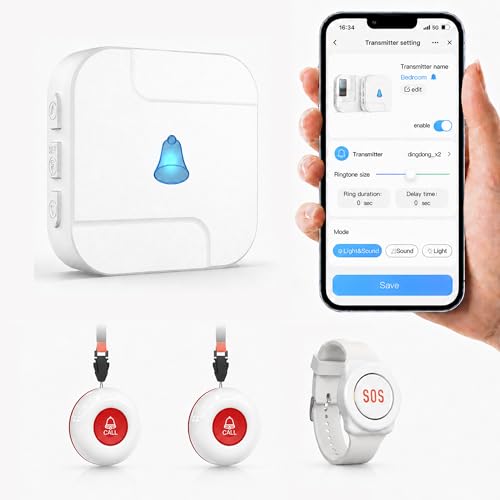
- 110dB alarm with 20 selectable chimes
- App alerts shared with up to 20 caregivers
- 2.4GHz Wi-Fi only; Wi-Fi link required for phone alerts
Best For: Families that want a loud caregiver pager with shared app notifications for multiple helpers.
Best for Bed-Exit Alerts
Upgraded Bed Sensor Alarm with Motion Sensor
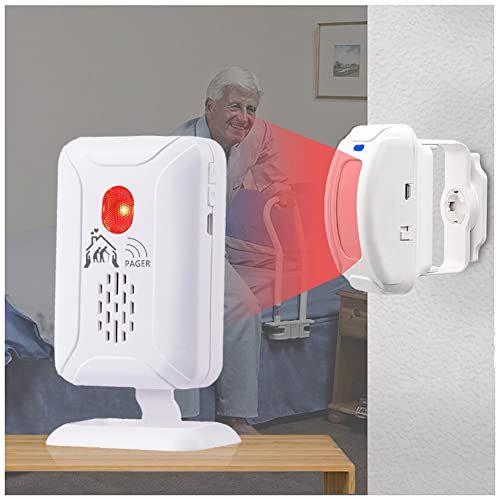
- Wireless motion sensor for bed or doorway monitoring
- 5 volume levels with LED and sound alerts
- Up to 918 ft open-area range with dual power options
Best For: Caregivers monitoring elderly or dementia patients who may get out of bed or leave the room.
Best for Multi-Room Alerts
CallToU Caregiver Pager with 2 Receivers

- Two plug-in receivers cover multiple rooms
- Up to 110 dB with flashing LED alert
- No WiFi, no monthly fee, pre-paired setup
Best For: Homes that need a loud, simple call system across several rooms.
Best for Dignity-Safe Alerts
Lunderg Wireless Early Alert Bed Alarm

- Alerts a handheld pager before bed exit
- No in-room alarm to reduce fear and agitation
- Pager volume adjusts from loud to vibration
Best For: Caregivers managing dementia or nighttime wandering who want a quiet bed-exit alert system.
Best for Whole-Home Alerting
PILSAMAS Wi-Fi Door & Window Alarms

- 4 sensors monitor multiple doors at once
- Wi‑Fi app alerts plus local chimes
- Adjustable volume and alert history
Best For: Families monitoring dementia wandering or home entry points with app-connected door alerts.
Best for Loud, Multi-Room Alerts
Wireless Caregiver Pager with 3 Buttons & 3 Receivers

- 3 SOS buttons and 3 receivers for broader coverage
- Up to 120 dB volume with 58 ringtones
- 1,500-foot open-area range and IP55 protection
Best For: Families and caregivers who need loud call alerts across multiple rooms.
Best for Multi-Zone Coverage
Caregiver Pager Door Alarm, 3 Sensors 2 Receivers

- Three sensors and two receivers expand coverage
- Wireless setup keeps installation simple
- Good for dementia care, kids, and entry alerts
Best For: Homes or small spaces that need alerts from multiple doors.
Best for False-Alarm Reduction
Smart Caregiver Bed Exit Alarm

- Pager offers sound and vibration alerts
- Large bed pad aims to cut false alarms
- Expandable to six Smart Caregiver sensors
Best For: Caregivers who want a dependable bed-exit alert with loud notification options.
Best for Loud Alerts
Wireless Caregiver Pager with Alarm

- Includes 2 call buttons and 2 portable pagers
- Adjustable chime or continuous alarm modes
- Easy SOS-style setup with mounting accessories
Best For: Families and caregivers who need a simple, loud alert system for seniors or patients.
Best for App Sharing – SanJie WiFi Caregiver Pager
If you want caregiver pagers with loud alarm that also notify multiple people at once, this SanJie WiFi model adds a practical layer of backup through app alerts and family sharing. It works well for home care, recovery care, and night checks, especially when one caregiver may not always be nearby.
Best For: Families who want a loud in-home alert plus shared phone notifications for several caregivers.
Pros:
- 110dB receiver alarm with 20 chimes and 5 volume levels
- App alerts can be shared with up to 20 family members
- Custom button names help identify where help is needed
- IP55 water resistance adds extra peace of mind near bathrooms or kitchens
Cons:
- App pairing only works on 2.4GHz Wi-Fi
- Phone alerts depend on the receiver staying connected to Wi-Fi
- Optional phone call and SMS alerts cost extra
This is a smart pick if you want caregiver pagers with loud alarm plus mobile backup for more than one helper, but it does rely on stable 2.4GHz Wi-Fi for the app side to work reliably.
Best for Bed-Exit Alerts – Upgraded Bed Sensor Alarm with Motion Sensor
If you want caregiver pagers with loud alarm support for monitoring bed exits or room departures, this wireless sensor system is a practical pick. It places the alert away from the patient, helping reduce startle risk while still giving caregivers fast notice through LED and sound reminders.
Best For: Caregivers who need a simple wireless alert for elderly or dementia patients getting out of bed or leaving a room.
Pros:
- Motion sensor can be placed under the bed or at a doorway for flexible monitoring.
- Receiver works up to 918 ft in open areas, making it useful in larger homes.
- Offers 5 volume levels plus LED alerts for easier day-to-night use.
- Dual power options and included batteries make setup more convenient.
Cons:
- Requires testing sensor range and direction before permanently mounting.
- Uses a motion sensor rather than a true under-mattress pad, so placement matters.
This is a strong fit if you want caregiver pagers with loud alarm features focused on prevention rather than bedside disruption. Its remote alert style and adjustable volume make it especially useful for overnight supervision and everyday fall-risk monitoring.
Best for Multi-Room Alerts – CallToU Caregiver Pager with 2 Receivers
If you want caregiver pagers with loud alarm coverage that works across a typical home, this CallToU set is built for practical day-to-day use. With two plug-in receivers, two SOS buttons, and no WiFi required, it can help caregivers hear alerts in more than one room without adding app setup or monthly fees.
Best For: Homes that need one pager system to cover a bedroom, kitchen, living room, or upstairs/downstairs areas with a loud audible and visual alert.
Pros:
- Two receivers make it easier to hear calls in multiple rooms.
- Up to 110 dB volume plus flashing LED helps in noisy or nighttime settings.
- 500+ ft open-area range and through-wall signal suit larger homes.
- Waterproof SOS buttons are pre-paired and ready to use out of the box.
Cons:
- Actual range can drop depending on walls, floors, and interference.
- Plug-in receivers are less flexible than portable battery-powered units.
- Sound-based alerts may be too loud for very quiet households.
This is a strong pick if you want caregiver pagers with loud alarm output plus a simple, no-subscription setup for multi-room monitoring. The dual receivers and visual flash make it especially useful when you need a call system that stays noticeable throughout the home.
Best for Dignity-Safe Alerts – Lunderg Wireless Early Alert Bed Alarm
If you want caregiver pagers with loud alarm options that won’t startle the person in bed, the Lunderg Wireless Early Alert Bed Alarm is built around silent in-room monitoring and wireless paging. The sensor pad sends an alert to a handheld pager before your loved one gets up, making it a practical pick for fall prevention without the bedside blast.
Best For: Dementia care, nighttime wandering, and caregivers who want a pager they can carry with adjustable volume or vibration.
Pros:
- Wireless pager alerts you before the person fully leaves the bed
- No in-room alarm, helping avoid fear, agitation, or sleep disruption
- Pager volume is adjustable from loud to vibration only
- Easy setup with no Wi-Fi, app, or tools required
Cons:
- Works only as a bed-exit alert, not a full home monitoring system
- Requires carrying or placing the pager within range
- Higher upfront cost than basic alarm pads
For buyers comparing caregiver pagers with loud alarm features, Lunderg stands out because it combines an adjustable handheld pager with an early-alert pad and no bedside siren. That makes it especially useful when you need fast notification without disturbing a sleeping senior.
Best for Whole-Home Alerting – PILSAMAS Wi-Fi Door & Window Alarms
If you want caregiver pagers with loud alarm coverage that can scale beyond a single room, this PILSAMAS system is built for whole-home door monitoring with local chimes plus app alerts. It pairs four sensors with a Wi‑Fi receiver, making it a practical choice for tracking wandering risks, child safety, or busy entry points without adding a subscription.
Best For: Families who need a simple, app-connected door alert system for dementia care, especially when multiple doors need monitoring at once.
Pros:
- Four pre-paired sensors support monitoring multiple doors right away
- Wi‑Fi app alerts plus local receiver chimes add flexible notification options
- Adjustable volume, including mute, helps tailor alerts for day or night
- History logs and sensor ID display make it easier to pinpoint which door opened
Cons:
- Requires 2.4GHz Wi‑Fi, so it won’t work on 5GHz-only networks
- Not a true wearable pager, so alerts come through the receiver and app instead
- SMS and phone-call notifications cost extra via in-app purchase
Overall, this is a strong fit if you need caregiver pagers with loud alarm options that also give you remote alerts, door-by-door visibility, and easy setup for home safety monitoring.
Best for Loud, Multi-Room Alerts – Wireless Caregiver Pager with 3 Buttons & 3 Receivers
If you want caregiver pagers with loud alarm coverage for a larger home or shared care space, this system stands out for its 3 call buttons and 3 receivers. It gives seniors, patients, and caregivers a simple one-press way to request help, while the adjustable volume and multiple tones make it easier to catch attention fast.
Best For: Families, caregivers, and home care setups that need loud, room-to-room call alerts with multiple receivers.
Pros:
- Includes 3 SOS buttons and 3 receivers for wider coverage
- Five volume levels up to 120 dB with 58 ringtone choices
- Long wireless range up to 1,500 feet in open areas
- IP55 water and dust resistance for more dependable daily use
Cons:
- Bulkier setup than a single-button, single-receiver system
- Open-area range may be lower in homes with thick walls
Overall, this is a practical choice if you need caregiver pagers with loud alarm output and want multiple receivers to cover several rooms at once. The combo of adjustable sound, long range, and simple operation makes it well suited to home caregiving and patient assistance.
Best for Multi-Zone Coverage – Caregiver Pager Door Alarm, 3 Sensors 2 Receivers
If you need caregiver pagers with loud alarm for monitoring doors, this wireless sensor set is built for simple home safety alerts. With three sensors and two receivers, it can cover multiple entry points and help alert you when someone opens a door, making it a practical choice for dementia care, child safety, or small-business security.
Best For: Homes that need wide, easy-to-deploy door monitoring across more than one entrance.
Pros:
- Includes three sensors and two receivers for broader coverage
- Wireless setup is straightforward for quick placement
- Useful for dementia supervision, kids, and general entry alerts
- Flexible enough for home, store, or office use
Cons:
- Not a full medical alert system
- Door-only monitoring may be too limited for some caregiving needs
- Alarm sensitivity and volume preferences can vary by user
This is a solid pick if you want caregiver pagers with loud alarm coverage across multiple doors without a complicated install. The extra sensors and receivers make it easier to expand protection where you need it most.
Best for False-Alarm Reduction – Smart Caregiver Bed Exit Alarm
If you want caregiver pagers with loud alarm options that are built for quick, early bed-exit alerts, this Smart Caregiver system is a practical pick. The wireless pager can vibrate or sound off, while the pressure-sensing bed pad helps notify you as soon as someone starts to get up, making it a useful layer of fall prevention for home care.
Best For: Caregivers who need a reliable bed-exit alert system with both audible and vibrate notifications for seniors at risk of nighttime falls.
Pros:
- Wireless pager supports both sound and vibration alerts for flexible notification
- Extra-large bed pad sensor is designed to reduce false alarms and improve trust
- Can expand to monitor up to six Smart Caregiver sensors for broader coverage
- U.S.-based company with customer support and long experience in fall prevention
Cons:
- Requires placing the pad correctly under the shoulders for best results
- Focused on bed-exit monitoring, so it is not a full room-wide safety system by itself
For buyers comparing caregiver pagers with loud alarm settings, this model stands out for combining a louder audible alert option with a more dependable bed pad design. It is a strong choice when you want faster notification, fewer nuisance alarms, and room to expand the system later.
Best for Loud Alert Coverage – Wireless Nurse Call System with 3 Buttons, 2 Pagers
If you need caregiver pagers with loud alarm that can alert quickly in a home, senior room, or small care setting, this SYNLETT kit is a practical pick. It includes three call buttons and two portable pagers, so multiple rooms or users can be covered without complicated setup.
Best For: Families, caregivers, and small care environments that want a simple wireless alert system with a loud siren mode and portable pagers.
Pros:
- Includes 3 call buttons and 2 pagers for multi-room coverage
- Alarm mode delivers a loud continuous siren, with adjustable volume in ding-dong mode
- Portable pagers with belt clips make it easy to carry alerts around the house
- Buttons can be wall-mounted, worn with a lanyard, or placed bedside
Cons:
- Best suited to small homes or care units rather than very large properties
- Alert style is basic, with no smart app or advanced monitoring features
For buyers comparing caregiver pagers with loud alarm, this model stands out for its simple layout, portable receivers, and flexible button placement. It is a straightforward choice when you want dependable audible alerts without extra setup or tech complexity.
Best for Loud Alerts – Wireless Caregiver Pager with Alarm
If you need caregiver pagers with loud alarm that are simple to install and easy to hear, this wireless call system is a practical pick. It includes two call buttons and two portable pagers, plus adjustable sound modes so caregivers can use a chime or switch to a continuous alarm when faster attention is needed.
Best For: Family caregivers, small care homes, and home setups that want a straightforward alert system for seniors, patients, or anyone at risk of falls.
Pros:
- Two call buttons and two portable pagers included for flexible coverage
- Switchable loud chime or continuous alarm helps match different care settings
- Simple SOS-style operation makes it easy for seniors to use
- Comes with mounting options, lanyard, and batteries for quick setup
Cons:
- Best suited to basic alerting rather than advanced monitoring
- Open-area range may be reduced by walls and interference
- Alarm-focused design may feel too loud for very quiet environments
For shoppers comparing caregiver pagers with loud alarm, this model stands out for keeping the controls simple while still offering a strong audible alert. It’s a good fit if you want an affordable, ready-to-use call system without extra setup complexity.
How We Picked the Best Caregiver Pagers with Loud Alarm
We focused on Caregiver Pagers with Loud Alarm that are useful in real homes, not just on paper. Priority went to clear alert volume, dependable wireless range, simple setup, multiple receivers or call points, and features that match common care needs such as fall prevention, wandering alerts, and bedside assistance.
We also considered whether a system is better for one room, a whole home, or multi-caregiver use. A strong loud alarm is important, but so is alert delivery: some buyers need an audible receiver, while others benefit from app notifications, bed sensors, or door alarms.
Quick Comparison
There are a few main types in this category. Basic call-button systems are best for routine help requests. Bed and motion alarms are better for nighttime safety and early fall prevention. Door and window sensors are most useful for dementia wandering or access monitoring. Smart systems with app alerts can help families who are not always in the same room or building.
In other words, the best choice depends less on buzzwords and more on what event you need to catch first: a button press, a bed exit, a movement trigger, or an open door.
Key Buying Factors for Caregiver Pagers with Loud Alarm
Alert Volume and Tone
Look for a loud alarm that can be heard over TVs, fans, and normal household noise. Adjustable volume is helpful so you can balance urgency with comfort. Distinct tones or chimes make it easier to tell a caregiver call from a security alert.
Range and Signal Reliability
Wireless range matters most in larger homes, multi-floor layouts, and thick-wall environments. Range claims are usually based on open space, so choose a model with extra headroom if you need coverage through walls or across rooms.
Receiver Placement and Portability
Plug-in receivers are useful in kitchens, bedrooms, and hallways, while portable pagers help caregivers move around the house or yard. Systems with multiple receivers reduce the chance of missed alerts.
Trigger Type
For simple help requests, a call button is usually enough. For dementia care or fall prevention, bed sensors, motion sensors, and door alarms provide earlier warning than a button alone. Smart Caregiver Pagers with Loud Alarm can also add phone alerts for added oversight.
Ease of Use
Large buttons, straightforward pairing, and clear indicator lights matter for seniors and stressed caregivers alike. If the person being monitored may have limited dexterity or memory issues, keep the system as simple as possible.
Who Should Buy Which Caregiver Pagers with Loud Alarm?
If you need everyday room-to-room assistance, choose a basic wireless call button system with a loud receiver. If nighttime wandering or bed exits are the concern, a bed alarm or early-alert pad is the better fit. If the priority is preventing door openings, go with a door sensor system. Families wanting remote oversight should consider a smart model with app notifications and sharing.
The best Caregiver Pagers with Loud Alarm are the ones that match the risk, the layout of the home, and the way the caregiver actually responds.