Choosing the right safety gear for a child with epilepsy can make everyday routines feel more secure. The best options help caregivers communicate medical needs quickly, reduce confusion in emergencies, and add peace of mind at home or on the go.
This roundup covers practical, child-friendly picks for identification, alerting, monitoring, and travel support so you can match each device to your child’s needs.
Best 10 Epilepsy Safety Devices for Children Picks for 2026
Best Personalized Pick
Personalized Kids Medical ID Bracelet

- Custom medical alert badge for emergency identification
- Soft silicone design for comfortable everyday wear
- Sized for children and toddlers, 5.1''-6.5''
Best For: Kids who need a lightweight, customizable medical ID bracelet for daily use.
Best for Emergency Info Display

- Shows medical details for first responders
- Easy-to-spot design for emergency use
- Comfortable seat belt shoulder pad
Best For: Children who travel with epilepsy or other medical needs and need visible emergency information in the car.
Best ID Bracelet
Epilepsy Medical Alert Silicone Bracelet

- Soft silicone feel for comfortable all-day wear
- Adult and child sizes help with fit
- Clear medical alert style for fast recognition
Best For: Children and adults who need a simple epilepsy ID bracelet for everyday use.
Best for Walkaway Prevention
Blisstime Anti Lost Wrist Link for Kids
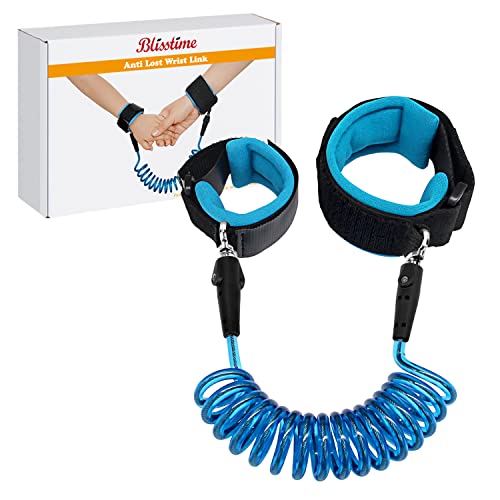
- Simple wrist-to-wrist tether for outings
- Helps keep children close in crowded places
- No batteries, charging, or complicated setup
Best For: Parents who want a basic tether-style safety aid for toddlers and young kids.
Best for Fast-Check Medical Info
MediPal Epilepsy Alert Seatbelt Tag

- Reflective seatbelt tag boosts visibility in emergencies
- Tri-fold form captures seizures, meds, allergies, and contacts
- Printable PDF version makes updates easy
Best For: Families wanting a portable epilepsy medical ID that’s easy for responders to read quickly.
Best for Nonverbal Kids
Adjustable Kids ID Bracelet with NFC & QR

- Tap or scan to open emergency medical info
- Optional scan alert shows where it was found
- Waterproof silicone band with no subscription
Best For: Families needing a simple medical ID band for nonverbal kids or seizure safety needs.
Best for Added Alerting
AllerMates Epilepsy Medical Alert Charm

- Adds clear epilepsy identification to an existing bracelet
- Charms can be rearranged or removed as needs change
- Latex-free and safety-tested for kids
Best For: Families using an AllerMates bracelet who want a flexible epilepsy ID add-on.
Best Kid-Friendly ID Bracelet
LinnaLove Blue Dinosaur Medical Alert

- Custom or pre-engraved medical info options
- QR code available for extra emergency details
- Kid-friendly blue dinosaur band design
Best For: Children who need a wearable medical ID for epilepsy, allergies, or other emergencies.
Best Medical ID Charm

- Lightweight aluminum keeps it comfortable for everyday wear.
- Clearly identifies epilepsy for emergency responders.
- Slides onto a compatible watch band for a low-profile fit.
Best For: Kids or caregivers who want a discreet medical ID add-on for a smartwatch.
Best Personalized Pick – Personalized Kids Medical ID Bracelet
If you want a simple, everyday identification option, this personalized bracelet is a practical add-on to epilepsy safety devices for children. It gives caregivers a visible medical alert on the wrist and can help first responders notice important condition details quickly in an emergency.
Best For: Kids who need a lightweight, customizable medical ID bracelet for school, travel, or daily wear.
Pros:
- Personalized medical alert badge helps show key emergency information at a glance
- Soft silicone build is comfortable for toddlers and children to wear
- Fits a wide child wrist range from 5.1” to 6.5”
- Cute design makes it easier for kids to keep it on consistently
Cons:
- Not a monitoring device, so it does not replace active supervision or seizure alerts
- Silicone wristbands may wear out faster than metal ID bracelets with heavy use
- Best for basic identification rather than advanced emergency features
As a low-fuss identification tool, this bracelet works well alongside epilepsy safety devices for children, especially when you want something wearable, comfortable, and easy to personalize. It’s a sensible choice if your priority is making emergency information visible without adding bulk.
Best for Emergency Info Display – Protect Me Seatbelt Cover
If you’re comparing epilepsy safety devices for children, this seat belt cover stands out for one practical reason: it keeps critical medical information visible to first responders during an emergency. It’s a simple travel accessory, but the clear identification and easy-to-read display can help caregivers add an extra layer of preparedness on the road.
Best For: Children who travel with epilepsy or other medical needs and may benefit from visible emergency information in the car.
Pros:
- Displays key medical details for EMTs and first responders
- High-visibility design helps with quick identification in emergencies
- Comfortable shoulder-strap cover for everyday travel
Cons:
- Does not prevent seizures or provide active monitoring
- Works best when the emergency information is kept up to date
As part of epilepsy safety devices for children, this is a supportive accessory rather than a medical device, but that can still make it valuable for families who want faster access to important details in a crisis. It’s most useful when paired with other safety planning and caregiver routines.
Best GPS Monitoring for Caregivers – AngelSense Safety Monitor for Kids
If you’re comparing epilepsy safety devices for children, AngelSense stands out for families who need real-time location tracking, proactive alerts, and two-way communication in one wearable system. It’s especially useful when wandering risk or sudden separation is a concern and you want a caregiver-first tool with live monitoring.
Best For: Parents and caregivers who need continuous GPS tracking, school-bus visibility, and hands-free check-ins for children with special needs.
Pros:
- Continuous real-time GPS tracking with route and location-history views
- Auto-answer speakerphone for quick, hands-free caregiver communication
- AI-powered alerts for unexpected departures, late arrivals, and unusual movement
- Secure wearable design with caregiver-only removal for better daily retention
Cons:
- Monthly subscription is required after the first free month
- Designed more for location safety than direct seizure detection
As one of the more comprehensive epilepsy safety devices for children, AngelSense is strongest when family priorities include location awareness, rapid communication, and a device that stays on consistently. It’s not a medical alarm, but it can add an important layer of day-to-day safety oversight.
Best ID Bracelet – Epilepsy Medical Alert Silicone Bracelet
Max Petals Epilepsy Children's Medical Alert ID Bracelets Child Size (7 inches) 4 Pack
Check Price On AmazonThis simple silicone ID bracelet is a practical pick for families comparing epilepsy safety devices for children, especially when you want clear medical identification that’s easy to wear every day. The adult-or-child sizing makes it flexible for growing kids, and the medical alert format helps first responders spot important information fast.
Best For: Children and adults who need a comfortable, everyday medical alert bracelet for epilepsy identification.
Pros:
- Soft silicone design is lightweight and comfortable for daily wear
- Adult and child sizing makes it easier to match different wrist sizes
- Clear medical alert style supports quick recognition in emergencies
- Simple, low-fuss option for school, travel, and routine outings
Cons:
- Provides identification, not active monitoring or tracking
- Basic design may be less useful if you want multiple medical details visible
For families prioritizing visibility and comfort, this bracelet is a straightforward layer of protection among epilepsy safety devices for children. It’s not a replacement for supervision or monitoring gear, but it can help ensure critical information is close at hand when it matters most.
Best for Walkaway Prevention – Blisstime Anti Lost Wrist Link for Kids
If you need a simple way to keep a child close in crowds, parking lots, or public outings, this Blisstime wrist link is a practical add-on for families comparing epilepsy safety devices for children. It does not replace supervision or medical alert planning, but it can add a physical layer of protection when mobility and wandering are concerns.
Best For: Parents and caregivers who want a low-cost tether-style safety tool for toddlers or kids who may bolt, wander, or need extra close-contact monitoring.
Pros:
- Easy to use as a quick attachment between adult and child wrists
- Helps reduce the risk of separation in busy public places
- Lightweight, simple design with no batteries or setup
Cons:
- Not a medical device and not a substitute for active supervision
- Some children may resist wearing a wrist tether
- Best suited for short outings rather than all-day use
For families evaluating epilepsy safety devices for children, this is best viewed as a basic anti-lost aid rather than a specialized seizure-response product. It can be useful for preventing sudden wandering, but it should be paired with your broader safety plan.
Best for Fast-Check Medical Info – MediPal Epilepsy Alert Seatbelt Tag
If you’re comparing epilepsy safety devices for children, this MediPal seatbelt tag is a practical option for keeping seizure details visible during school pickups, car rides, and emergencies. It puts key medical information in one easy-to-find place, with reflective trim and a seatbelt-ready design that can help responders act faster.
Best For: Families who want a highly visible, portable medical ID for children with epilepsy that can share seizure type, triggers, meds, allergies, and emergency steps.
Pros:
- Quick-access tri-fold format lets you list seizure type, triggers, meds, rescue therapy, allergies, and contacts.
- Reflective trim and seatbelt placement improve visibility for emergency personnel.
- Includes a fillable PDF version, so you can update the information as needs change.
- Portable design can transfer to backpacks, waist belts, or mobility equipment.
Cons:
- It’s an information ID, not a monitoring or alerting device.
- Works best when caregivers keep the medical form current and complete.
- The seatbelt format may not fit every child’s daily setup or routine.
As an epilepsy safety device for children, this is strongest when you need emergency-ready medical details that travel with your child without adding much bulk. It’s a smart, low-tech way to improve communication in the moments that matter most.
Best for Nonverbal Kids – Adjustable Kids ID Bracelet with NFC & QR
If you’re comparing epilepsy safety devices for children, this adjustable ID bracelet is a simple, low-maintenance option for sharing critical medical details fast. It’s not a live tracker, but its scan-to-notify setup can help a caregiver quickly identify a child and see where the bracelet was scanned.
Best For: Families who want a waterproof, no-subscription medical ID band for nonverbal children or kids with seizure-related safety needs.
Pros:
- Tap or scan access to emergency and medical info in seconds
- Optional scan alert sends a location notification when the code is used
- Adjustable 5.5″–7.5″ fit works on wrist or ankle
- Soft, waterproof silicone is made for everyday wear
Cons:
- No live GPS tracking or real-time location monitoring
- Depends on someone else scanning the code to trigger alerts
- Works best as an ID/safety tool, not a full tracking solution
For parents shopping epilepsy safety devices for children, this band makes the most sense as a practical identification layer rather than a locator. It’s strongest in situations where quick medical access, durability, and zero subscription costs matter more than continuous tracking.
Best for Added Alerting – AllerMates Epilepsy Medical Alert Charm
If you’re comparing epilepsy safety devices for children, this AllerMates medical alert charm is a simple add-on that helps make a child’s condition more visible to caregivers, teachers, and other adults. It attaches to an AllerMates multi-allergy bracelet sold separately, and can also be rearranged or removed as your child’s needs change.
Best For: Families who already use an AllerMates bracelet and want a flexible, kid-friendly way to add epilepsy identification.
Pros:
- Helps clearly signal epilepsy alongside other health concerns
- Charms can be added, moved, or removed as needs change
- Latex-free and made to meet U.S. and European safety standards
Cons:
- Bracelet is sold separately
- Works best as part of the AllerMates system, not as a standalone device
As a lightweight identification accessory, this charm is less about monitoring and more about quick visual awareness, which can still be valuable when shopping for epilepsy safety devices for children. It’s a practical pick for families who want safety information to stay visible without making the bracelet feel overly medical or bulky.
Best Kid-Friendly ID Bracelet – LinnaLove Blue Dinosaur Medical Alert
If you want a simple, wearable way to help identify a child in an emergency, this LinnaLove bracelet is a practical option to consider. Among epilepsy safety devices for children, it stands out for being easy to wear, customizable, and visually reassuring for kids who prefer a softer, less clinical look.
Best For: Parents looking for a child-friendly medical ID bracelet for everyday use, especially for epilepsy, allergies, or other emergency identification needs.
Pros:
- Custom or pre-engraved options make it easier to add key medical details.
- QR code availability can provide extra emergency information when needed.
- Blue dinosaur band design is more kid-friendly and comfortable-looking than many metal IDs.
- Good everyday backup for school, outings, and travel.
Cons:
- Not a monitoring or alerting device on its own.
- Best suited to children who will reliably keep a bracelet on.
Overall, this is a straightforward medical ID accessory rather than a high-tech safety tool, but that simplicity is exactly why it can work well for epilepsy safety devices for children. It helps emergency responders quickly spot critical information without adding much bulk or complexity.
Best Medical ID Charm – Epilepsy Alert Watch Charm
If you want a discreet way to add emergency identification to a wearable, this epilepsy alert watch charm is a simple option to consider among epilepsy safety devices for children. It slides onto a smart watch band, keeping the condition visible to first responders without adding much bulk.
Best For: Kids or caregivers who want a lightweight, low-profile medical ID marker for a compatible smart watch.
Pros:
- Lightweight aluminum design keeps it comfortable for daily wear.
- Clearly marked with EPILEPSY and a medical symbol for quick recognition.
- Easy slide-on format works as a subtle add-on to an existing watch band.
- Useful when you want medical identification without a bulky bracelet or necklace.
Cons:
- Charm only; the watch band is not included.
- Requires a compatible smart watch band to use.
- It identifies a condition, but it is not a monitoring or alarm device.
For families comparing epilepsy safety devices for children, this is more of an ID accessory than a protective gadget, but that can still make it valuable in an emergency. It works best as a visible, everyday medical alert add-on for a child who already wears a smartwatch.
How We Picked the Best Epilepsy Safety Devices for Children
For Epilepsy Safety Devices for Children, we focused on products that are easy to wear or carry, clearly communicate critical medical details, and fit real-life use cases like school, travel, and active play. We also looked for child-appropriate comfort, durability, visibility, and simplicity for parents and caregivers.
Quick Comparison
Broadly, these products fall into a few categories: medical ID bracelets and charms for fast identification, GPS and SOS devices for location awareness, seatbelt accessories and tags for travel-specific emergencies, and anti-loss wrist links for younger children. The right choice depends on whether your biggest concern is identification, wandering risk, or emergency communication.
Key Buying Factors for Epilepsy Safety Devices for Children
Visibility and Emergency Clarity
Medical information should be easy for first responders, teachers, and caregivers to spot. Look for clear labeling, legible engraving, and space for seizure type, medications, triggers, allergies, and emergency contacts when possible.
Comfort, Fit, and Durability
Children are more likely to keep a device on if it is lightweight, soft, adjustable, and water-resistant. Silicone bands, breakaway-friendly designs, and smooth edges can improve daily comfort.
Tracking and Communication Features
If wandering or quick check-ins are a concern, GPS tracking, SOS alerts, and two-way communication can add an important layer of safety. Keep in mind that these features usually require charging, app setup, and service support.
Use Case Matters
Some families need a bracelet for daily wear, while others need a seatbelt tag for travel or a watch charm that works with a smartwatch. Match the device to where it will actually be used most often.
Who Should Buy Which Epilepsy Safety Devices for Children?
Choose a basic medical ID bracelet or charm if your priority is fast emergency identification. Pick a GPS-enabled monitor if your child has a wandering risk or needs remote supervision. Consider seatbelt accessories for car travel, or anti-loss wrist links for toddlers who need closer physical guidance in public.
The best Epilepsy Safety Devices for Children are the ones your child will tolerate consistently and your caregivers can use instantly when it matters most. In many homes, combining one everyday ID item with one travel or tracking tool creates the most practical safety setup.