Choosing fall detection devices for wheelchair users is about more than a single alarm feature. The right system should help catch unsafe movement, support fast caregiver response, and fit the user’s daily routine.
Below, we focus on options that balance reliability, comfort, and ease of use so you can narrow the field quickly and buy with confidence.
Best 10 Fall Detection Devices for Wheelchair Users Picks for 2026
Best for Simple, Secure Alerts
Sammons Preston Magnet Alarm for Wheelchairs

- Magnet-and-clip alert system for quick setup
- Adjustable 30-inch cord with 105 dB / 90 dB volume options
- Drop-tested design with secure battery compartment
Best For: Caregivers needing a basic, reliable alarm for wheelchair and bed monitoring.
Best for Family Response
SecuLife Medical Alert Pendant

- Auto fall detection sends alerts directly to family contacts
- GPS tracking, geofencing, and 1-year location history
- Waterproof pendant with two-way calling and up to 6-day battery life
Best For: People who want a family-notification alert pendant with fall detection and GPS tracking.
Best for Easy-Use Monitoring
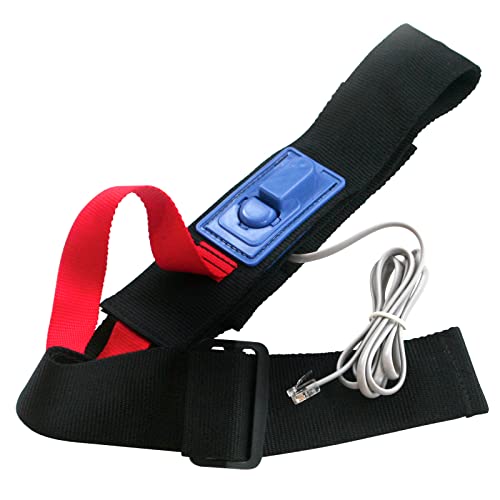
- Alerts caregivers when the user tries to exit the wheelchair
- Easy On & Off design with a bright red release tab
- Works with most wheelchairs and Protech monitor systems
Best For: Seniors or mobility-impaired wheelchair users needing a simple exit-alert belt.
Best for On-the-Go Coverage
ADT On-The-Go Emergency Medical Alert

- 24/7 ADT monitoring with one-button SOS calling
- Built-in LTE/GPS for home and away protection
- Optional automatic fall detection adds extra backup
Best For: Wheelchair users and seniors who need a monitored mobile alert with optional fall detection.
Best for Quiet Alerts
Lunderg Wireless Chair Alarm System

- Wireless pager alerts instead of a loud chair alarm
- Works with wheelchairs, recliners, and standard chairs
- No Wi-Fi, app, or tools needed for setup
Best For: Caregivers who want a simple, calm alert system for wheelchair users and other seated fall-risk situations.
Best for Home Monitoring
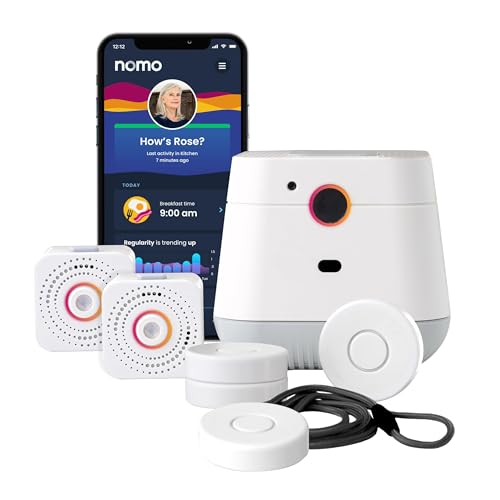
- Camera-free monitoring preserves privacy.
- 60-day trial with emergency response included.
- Wearable tags add panic-button alerts and caregiver notifications.
Best For: Home-based caregivers who want a simple, privacy-focused alert system with monitoring and emergency calling.
Best for Sound & Light Alerts

- Loud 80 dB alarm with flashing LED light
- Waterproof, easy-to-clean PVC seat pad
- Flexible mounting: screw, adhesive, or lanyard
Best For: Caregivers who need a simple wheelchair exit alarm with both audible and visual alerts.
Best for Style-Conscious Safety
ResQ Maitri V2 Safety Bracelet

- Jewelry-like design for discreet daily wear
- Fall detection with GPS location sharing
- 24/7 live human-agent emergency support
Best For: Women and independent adults who want a discreet safety bracelet with fall detection and live emergency response.
Best for Chair-Exit Alerts
Smart Caregiver Chair Exit Monitor

- Alerts when the user rises from the chair
- Easy-to-clean, incontinence-resistant sensor pad
- Low-battery, pad-loss, and volume controls
Best For: Caregivers who want a simple chair-exit alarm for wheelchair users or frail patients.
Best for Simple, Secure Alerts – Sammons Preston Magnet Alarm for Wheelchairs
If you need a straightforward option among fall detection devices for wheelchair users, this magnet-based alarm focuses on dependable monitoring rather than complex features. It’s a practical choice for assisted living, bedside use, and wheelchair supervision when you want an audible alert the moment a user tries to rise.
Best For: Caregivers who want a low-cost, easy-to-use alarm system for wheelchair users and bed monitoring.
Pros:
- Simple spring-clip and magnet design is quick to attach and use
- Adjustable cord helps set a personal boundary up to 30 inches
- Loud 105 dB and lower 90 dB volume settings offer flexibility
- Built to stay secure and withstand drops without the battery popping out
Cons:
- Not a true sensor-based fall detector; it alerts when the cord is pulled
- Requires proper placement on clothing and wheelchair surfaces
- Basic design may feel limited compared with smarter monitoring systems
For caregivers comparing fall detection devices for wheelchair users, this model stands out for its durability, simplicity, and immediate pull-away alerting. It’s best suited to situations where reliability and easy setup matter more than advanced tracking features.
Best for Family Response – SecuLife Medical Alert Pendant
If you’re comparing fall detection devices for wheelchair users, this SecuLife pendant stands out for sending alerts directly to family instead of a call center. It combines auto fall detection, SOS calling, GPS tracking, and geofencing in one wearable, making it a practical option for users who want fast contact with caregivers and location awareness.
Best For: Users who want a simple wearable alert system that notifies family immediately and includes GPS tracking, fall detection, and two-way calling.
Pros:
- Automatic fall detection with direct SOS alerts to preselected contacts
- GPS tracking and geofencing help caregivers monitor location changes
- Two-way calling and auto-answer add hands-free communication options
- Waterproof design and up to 6-day battery life improve daily wearability
Cons:
- Requires a $20 monthly subscription
- May be more feature-rich than needed for users who only want basic emergency alerts
For fall detection devices for wheelchair users, this is a strong family-first pick if you value direct alerts, live tracking, and an easy pendant format. The tradeoff is the ongoing subscription, but the added safety features make it compelling for people who need dependable remote monitoring.
Best for Easy-Use Monitoring – Dynarex Chair Alarm Seatbelt
If you need a simple way to add an alert to a wheelchair, this Dynarex chair alarm seatbelt is a practical option among fall detection devices for wheelchair users. It sounds when the patient tries to exit the chair, helping caregivers respond quickly in home care or long-term care settings.
Best For: Seniors or mobility-impaired wheelchair users who need an easy-to-use alarm belt for exit monitoring and fall prevention.
Pros:
- Audible chair alarm alerts caregivers when the user attempts to leave the wheelchair
- Easy On & Off design with a bright red release tab for simpler handling
- Compatible with most standard wheelchairs and Protech monitor systems
Cons:
- Requires a compatible monitor system to use the alarm feature fully
- Only includes one seatbelt, so multi-chair setups need additional units
For buyers comparing fall detection devices for wheelchair users, this model stands out as a straightforward, low-friction option focused on exit alerts rather than advanced sensing. It is a good fit if you want a simple restraint-style alarm that integrates into existing monitoring workflows.
Best for On-the-Go Coverage – ADT On-The-Go Emergency Medical Alert
If you’re comparing fall detection devices for wheelchair users, this ADT mobile alert is a strong fit when you need GPS-backed help outside the home as well as an easy one-button emergency call path. It combines 24/7 monitored support with optional automatic fall detection, so it works as a practical safety layer for users who want added protection while traveling, attending appointments, or moving around independently.
Best For: Seniors and wheelchair users who want a monitored, carry-anywhere medical alert with optional fall detection and no wearable pendants.
Pros:
- 24/7 ADT professional monitoring with one-button SOS help
- Built-in LTE/GPS for home and away coverage
- Optional automatic fall detection can be added during activation
- All-in-one device with no wristband or neck pendant required
Cons:
- Monthly monitoring plan is required
- Fall detection is optional and costs extra
- Detection may not catch every fall
For shoppers focused on fall detection devices for wheelchair users, the biggest advantage here is the mobile, monitored design: it can go wherever the user goes, while still relying on GPS, cellular connectivity, and optional fall sensing for backup protection.
Best for Quiet Alerts – Lunderg Wireless Chair Alarm System
If you’re comparing fall detection devices for wheelchair users, this Lunderg chair alarm is worth a look because it sends the alert to a caregiver pager instead of sounding at the chair. That makes it a calmer option for people who may panic when startled, while still giving you quick notice when they stand up.
Best For: Caregivers who want a wireless, no-fuss alert system for wheelchair users, recliners, or other seated fall-risk situations.
Pros:
- No in-chair alarm, which can reduce startle and panic.
- Wireless pager alerts with up to 400 ft. range.
- Works on wheelchairs, recliners, lift chairs, and standard chairs.
- Easy setup with no Wi-Fi, app, or tools required.
Cons:
- It alerts when the user stands up, rather than detecting an actual fall.
- Requires the caregiver to carry or keep track of the pager.
For families prioritizing calm, quick alerts over app-based monitoring, this is a practical pick among fall detection devices for wheelchair users. It’s especially useful when you want something simple, portable, and less likely to upset the person being monitored.
Best for Home Monitoring – NOMO Smart Care Alert System
If you’re comparing fall detection devices for wheelchair users, the NOMO Smart Care Medical Alert System is a strong in-home option when you want movement-based alerts, two-way voice communication, and app-based caregiver notifications without a camera.
Best For: Families and caregivers who want a privacy-focused, WiFi-connected monitoring system for seniors who need help staying safe at home.
Pros:
- Camera-free design supports privacy while still monitoring motion and sound.
- Includes a 60-day monitoring trial with RapidSOS emergency response.
- Wearable tags can function as panic buttons and send caregiver alerts.
- Easy plug-and-play setup with no landline or technician required.
Cons:
- Requires home WiFi and a monthly subscription after the trial.
- Designed for in-home use, so it’s not a true mobile fall solution.
- Fall detection relies on tags and system placement, not a dedicated medical pendant.
For buyers shopping for fall detection devices for wheelchair users, this system makes the most sense as a home monitoring and emergency alert setup rather than a mobility-first wearable. It’s especially appealing if you want privacy, fast installation, and caregiver visibility in a single package.
Best for Sound & Light Alerts – Briidea Wheelchair Alarm
If you’re comparing fall detection devices for wheelchair users, the Briidea Wheelchair Alarm is a simple, practical option that alerts caregivers the moment a person tries to leave the chair. Its combination of audio and visual signaling makes it easier to catch attention quickly in busy homes, care facilities, or shared spaces.
Best For: Caregivers who want an easy-to-install wheelchair safety alarm with both audible and flashing-light alerts.
Pros:
- Loud alarm and flashing LED provide dual-alert protection
- Waterproof PVC seat pad is durable and easy to clean
- Simple wired setup with screw, adhesive, or lanyard mounting options
Cons:
- Wired design may be less convenient than wireless alternatives
- Focused on exit alerts, not broader fall detection features
This is a straightforward safety add-on for caregivers who want fast warning when a wheelchair user stands or shifts out of the seat. Among fall detection devices for wheelchair users, it stands out for its clear alerting, easy cleaning, and flexible installation, though it’s best viewed as a chair-exit alarm rather than a full fall monitoring system.
Best for Chair Movement Alerts – Basic Pull String Chair Alarm
For caregivers comparing fall detection devices for wheelchair users, this pull-string alarm offers a simple way to alert you when someone tries to stand, shift away, or move beyond a set distance from the chair. It is designed for supervised seating and wandering prevention rather than true impact or fall sensing.
Best For: Caregivers who want a low-cost chair-mounted alert system for wheelchair users or residents at risk of standing and wandering.
Pros:
- Simple pull-string design is easy to set up on a chair
- Continuous alarm sounds until the magnet is reattached
- Low/high volume adjustment helps match the care environment
- Includes low-battery light and secure metal clip attachment
Cons:
- Requires a 9V battery, which is not included
- Not recommended for bed use
- Does not detect an actual fall or sudden impact
This is a practical choice if your main need is motion alerting rather than advanced sensing. Among fall detection devices for wheelchair users, it fits best as a basic chair-exit warning tool for supervision and wandering prevention.
Best for Style-Conscious Safety – ResQ Maitri V2 Safety Bracelet
If you want fall detection devices for wheelchair users that don’t look clinical, the ResQ Maitri V2 takes a different approach: it combines a stylish bracelet design with fall detection, GPS location sharing, and live human-agent support. It’s a practical option for everyday wear when you want discreet protection that can still escalate quickly in an emergency.
Best For: Women, students, solo travelers, and independent adults who want a jewelry-like safety bracelet with fall detection, GPS tracking, and 24/7 live response.
Pros:
- Looks like jewelry, making it easier to wear daily without feeling bulky
- Includes fall detection plus GPS sharing for faster emergency response
- Connects to 24/7 trained human agents, not just an automated alert
- Offers silent and loud alarm modes for different situations
Cons:
- Safety enrollment is required to access the full premium feature set
- Designed more for personal safety than medical monitoring depth
- Bracelet-style form factor may not suit users who prefer a larger SOS device
For buyers comparing fall detection devices for wheelchair users, this stands out most for discreet daily wear and live-agent support rather than a heavy-duty medical alert look. It’s a strong fit if appearance, portability, and quick escalation matter as much as the emergency features themselves.
Best for Chair-Exit Alerts – Smart Caregiver Chair Exit Monitor
This Smart Caregiver monitor is a practical option for fall detection devices for wheelchair users when the main risk is an unexpected transfer or attempt to stand. The weight-sensing pad sits on the chair and triggers an alert when pressure is removed, giving caregivers a quick heads-up without requiring the user to wear anything.
Best For: Caregivers who need a simple chair-exit alarm for wheelchair users or patients who may try to rise unassisted.
Pros:
- Weight-sensing pad alerts when the person gets up from the chair
- Easy wipe-clean vinyl pad is incontinence resistant
- Useful safety extras like low-battery, pad-loss, and volume controls
- 1-year warranty on both the monitor and pad
Cons:
- Requires a 9-volt battery or separate AC adapter
- Only monitors chair exit, not full-body fall detection
- Works best when the pad is placed correctly before sitting
For fall detection devices for wheelchair users, this is a strong low-friction choice if your goal is preventing unsupervised stand-ups rather than detecting a fall after it happens. It’s straightforward, easy to clean, and focused on one job: notifying caregivers the moment the chair is vacated.
How We Picked the Best Fall Detection Devices for Wheelchair Users
We looked for Fall Detection Devices for Wheelchair Users that prioritize fast alerts, simple operation, and practical caregiving support. Strong picks included chair-exit alarms, wearable alert systems, and monitored medical alert devices with fall detection, because different users need different levels of mobility and supervision.
We also considered setup complexity, alert method, battery or charging needs, and whether the device is better for home care, facility care, or on-the-go protection.
Quick Comparison: Which Type Works Best?
For users who stay seated for long periods, chair alarms and seat sensors are often the most direct option. If the person transfers frequently or leaves the chair regularly, wearable systems with automatic fall detection may be more useful. If caregivers need broader coverage outside the home, GPS-enabled medical alert devices can add another layer of safety.
Key Buying Factors for Fall Detection Devices for Wheelchair Users
Alert Speed and Type
Look for devices that notify caregivers immediately and in a way they will actually notice, whether that is sound, light, phone alerts, or monitored emergency response.
Fit for Transfers and Seated Use
Some products are built to detect when someone rises from a chair, while others are meant to detect a fall after a transfer. Make sure the device matches the user’s most common risks.
False Alarm Reduction
Wheelchair users often shift position, reach, or transfer frequently. A good device should reduce nuisance alerts without missing real incidents.
Ease of Use
Simple charging, clear buttons, and easy mounting matter. The best Fall Detection Devices for Wheelchair Users should be manageable for both the user and the caregiver.
Coverage and Connectivity
Check whether the system works with WiFi, LTE, Bluetooth, or a local alarm only. The right choice depends on whether the device is for home use, facility care, or outdoor mobility.
Who Should Buy Which Fall Detection Devices for Wheelchair Users?
Buy a chair alarm or pressure-sensitive system if the main concern is standing up or leaving the wheelchair unsafely. Choose a wearable fall-detection alert if the user transfers often or needs protection beyond the chair. Select a monitored medical alert system if you want broader emergency support, especially for users who spend time alone or outside the home.
If the person is in a higher-risk care setting, consider the simplest device the caregiver team can use consistently. For the best results, match the product to the user’s routine, not just the feature list.