Choosing the right mattress for a hospital bed can make a major difference in comfort, skin protection, and day-to-day care. The best options balance pressure redistribution, support, airflow, and ease of cleaning.
Below, we break down 10 top picks for different needs, from foam support mattresses to alternating air systems for higher-risk users.
Best 10 Pressure Relief Mattresses for Hospital Beds Picks for 2026
Pressure-Relief Foam Pick
Drive Medical Decompressing Foam Mattress

- Decompressing foam supports pressure relief
- Removable cover is fluid resistant and low shear
- Non-slip base and corner straps help it stay put
Best For: Adults who want a foam hospital-bed mattress with easy setup and basic pressure relief
Alternating-Air Bed Sore Aid
Vive Alternating Air Pressure Mattress Pad

- 130-cell alternating system redistributes pressure
- Quiet 22 dBA pump with multiple settings
- Waterproof vinyl design supports up to 300 lbs
Best For: Bedridden patients who need an active alternating-air topper for pressure spot relief
Foam Redistribution Upgrade
Drive Medical Gravity 7 Pressure Redistribution Mattress

- Three foam layers help redistribute pressure
- Heel section is designed to offload vulnerable heels
- Fluid-proof cover is durable and easy to clean
Best For: Long-term care users who want a plush foam mattress with pressure redistribution support
Alternating-Air with Static Mode
Lunderg Alternating Air Pressure Mattress Pad

- Alternating pressure plus static mode
- Quiet 23 dBA pump with soft-to-firm control
- Waterproof topper supports up to 300 lbs
Best For: Users who want an alternating-air hospital-bed topper with a static comfort option
Pressure Redistribution Foam Mattress
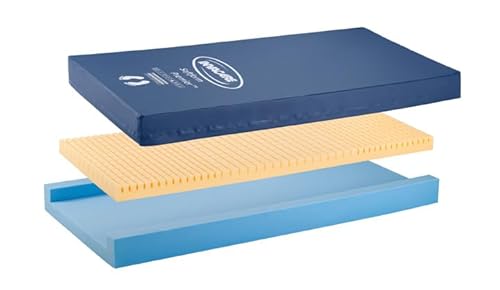
- Two-layer foam design for pressure redistribution
- 3-zone support with softer head and foot sections
- Fluid-resistant cover and enhanced side support
Best For: Very high risk patients needing a supportive foam hospital bed mattress
Alternating Pressure System

- Alternating pressure system with 20 air bladders
- Vapor-permeable cover helps manage moisture and heat
- Audio-visual alarms and automatic pressure monitoring
Best For: Adults needing an air mattress replacement system with active pressure control
Quiet Air Pad
KEKOY Alternating Pressure Mattress Pad
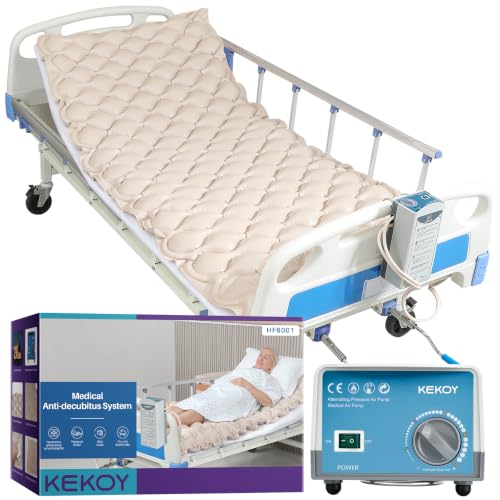
- 130 air cells help redistribute pressure across the body
- Quiet pump offers 5 adjustable support levels
- Waterproof surface and included setup accessories
Best For: Elderly or bedridden users needing a quiet pressure sore prevention pad
Long-Term Care Foam Option
Kölbs NSR Pressure Redistribution Foam Mattress

- High-density foam redistributes weight more evenly
- Waterproof removable cover simplifies cleaning
- Non-slip underside helps secure the mattress
Best For: Long-term care on 80" x 36" hospital or homecare beds
Alternating Air Support
Quiet Pump Bubble Cell Pressure Pad
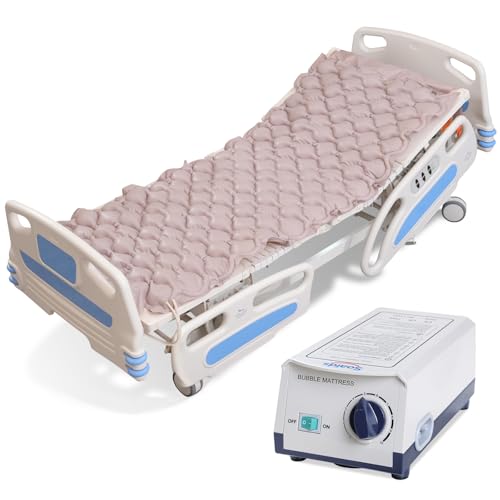
- 5-minute alternating cycles help reduce pressure points
- Quiet pump operates at under 40 dB
- Waterproof breathable PVC surface is easy to clean
Best For: Short-term pressure sore prevention on standard twin beds
Gel Memory Foam Pick
LCH Twin XL Hospital Bed Mattress

- Gel memory foam over support foam for pressure relief
- Waterproof removable cover helps with hygiene
- Corner straps keep it secured on adjustable beds
Best For: Adults needing a cushioned Twin XL medical mattress for home or clinical care
Pressure-Relief Foam Pick – Drive Medical Decompressing Foam Mattress
If you want a straightforward pressure relief mattress for hospital beds, this Drive Medical foam model focuses on comfort, support, and easy day-to-day use. Its decompressing foam design, medium firmness, and removable fluid-resistant cover make it a practical option for homecare or facility settings where simple pressure relief is the priority.
Best For: Adults needing a foam hospital-bed mattress with pressure-relief support and a secure, low-maintenance design.
Pros:
- Decompressing foam construction is designed for pressure relief support.
- Removable nylon stretch cover is fluid resistant, low shear, and vapor permeable.
- Non-slip bottom and four corner straps help keep the mattress in place.
- Side carry handles make lifting and placement easier.
Cons:
- Needs 24–72 hours to fully expand after delivery.
- 275 lb weight capacity may be limiting for some users.
This is a solid no-frills choice if you value foam comfort and secure placement over advanced alternating-air features. The overall design is well suited to routine care where pressure relief and simple maintenance matter most.
Alternating-Air Bed Sore Aid – Vive Alternating Air Pressure Mattress Pad
For caregivers comparing pressure relief mattresses for hospital beds, this Vive alternating air pad is built around active pressure redistribution. The 130-cell alternating system, quiet pump, and waterproof vinyl construction make it a strong fit when the goal is to help manage pressure spots, bed sores, and long periods of immobility.
Best For: Bedridden adults who need an alternating-air topper with quiet operation and customizable pressure control.
Pros:
- 130 air cells alternate inflation and deflation to redistribute weight.
- Whisper-quiet pump runs at 22 dBA with multiple pressure levels.
- Waterproof vinyl pad tucks securely between the mattress and frame.
- Supports up to 300 lbs and includes a 1-year guarantee.
Cons:
- Requires a pump and air hoses, so setup is more involved than foam.
- Hand-wash care is less convenient than wipe-clean options.
This model makes sense if you need active pressure management rather than a passive foam surface. It is especially appealing for users who want a quieter pump and a topper that is designed to stay in place on an existing bed.
Foam Redistribution Upgrade – Drive Medical Gravity 7 Pressure Redistribution Mattress
Drive Medical 15770 Gravity 7 Pressure Redistribution Mattress, Blue, 6.6 Foot (Pack of 1)
Check Price On AmazonIf you are looking for pressure relief mattresses for hospital beds with a more cushioned feel, the Drive Medical Gravity 7 is built for pressure redistribution and shear reduction. Its three-layer foam construction, visco heel section, and durable fluid-proof cover make it a practical long-term care choice where skin protection and comfort both matter.
Best For: Adults who need a plush foam hospital mattress focused on pressure redistribution and easier transfers.
Pros:
- Three layers of latex-free foam provide pressure redistribution support.
- Visco foam heel section helps offload pressure from vulnerable heels.
- High-density foam perimeters add edge support for safer transfers.
- Fire-retardant, fluid-proof, tear-resistant cover is easy to clean.
Cons:
- Heavier than a mattress topper at 21.6 lb.
- Plush feel may not suit users who prefer a firmer surface.
This is a strong pick for buyers who want a foam mattress that goes beyond basic comfort and focuses on skin health and transfer safety. The 7-year limited warranty also adds peace of mind for long-term use.
Alternating-Air with Static Mode – Lunderg Alternating Air Pressure Mattress Pad
For buyers comparing pressure relief mattresses for hospital beds, the Lunderg pad stands out because it combines alternating pressure with a static mode. That makes it useful when you want active pressure relief most of the time, but also the option to switch to a steadier surface for rest or comfort.
Best For: Bedridden adults who want an alternating-pressure pad with a static setting for added comfort and flexibility.
Pros:
- Alternating pressure and static mode provide more use-case flexibility.
- Quiet 23 dBA pump offers soft-to-firm pressure control.
- Waterproof pad is designed for hospital beds or use over a home mattress.
- Supports up to 300 lbs and includes a quick connector for easier setup.
Cons:
- Takes about 20 minutes to fully inflate.
- Requires a pump and hoses, so it is not as simple as a foam mattress.
This is a practical option if you want a pressure-relief topper with more flexibility than a standard alternating-air pad. The static mode is a useful touch for times when continuous alternation feels less comfortable.
Pressure Redistribution Foam Mattress – Invacare Softform Premier
If you want pressure relief mattresses for hospital beds that feel more like a premium foam surface than an air system, this Invacare model is built around comfort and support. Its 3-zone design, contoured foam insert, and fluid-resistant cover make it a practical choice for long-term bed use, especially when pressure redistribution and safer transfers both matter.
Best For: Patients up to very high risk of pressure injury who need a firm, supportive foam hospital mattress with a softer head and foot section.
Pros:
- Two-layer foam construction with a U-core and contoured insert for pressure redistribution
- 3-zone support gives firmer mid-section support with softer head and foot areas
- Enhanced side support helps with safer transfers
- Fluid-resistant four-way stretch cover adds durability and easier cleaning
Cons:
- Heavier and less adjustable than an air-based mattress system
- Designed for compatibility with specific hospital-style bed sizes and setups
This is a strong pick if you prefer a foam hospital mattress with built-in pressure redistribution rather than an alternating pump system. It combines patient comfort, side stability, and a protective cover in a straightforward design for care settings.
Alternating Pressure System – Drive Med-Aire Low Air Loss
Among pressure relief mattresses for hospital beds, this Drive Medical replacement system is geared toward active pressure management rather than simple cushioning. The alternating pressure design, 20 air bladders, and low-air-loss style cover are aimed at helping reduce moisture, friction, and heat buildup while providing consistent support in home or facility care.
Best For: Adults who need an alternating air mattress system with automatic monitoring, moisture control, and a 350 lb capacity.
Pros:
- Alternating pressure and pressure redistribution support from a pump-based system
- 20 replaceable 8-inch air bladders plus built-in pillow feature
- Vapor-permeable cover helps reduce moisture, friction, and heat buildup
- Audio-visual alarm and automatic pressure monitoring add caregiver confidence
Cons:
- Requires a pump system, so setup is more involved than a foam mattress
- May be unnecessary for users who do not need active pressure relief
This is a practical choice when you want a more advanced support surface for ongoing pressure redistribution. It stands out for its monitoring features, moisture-wicking cover, and replaceable air cell design.
Quiet Air Pad – KEKOY Alternating Pressure Mattress Pad
If you need pressure relief mattresses for hospital beds in a simpler topper format, this KEKOY pad focuses on everyday pressure redistribution for home or care use. With 130 bubble air cells, adjustable pressure levels, and a quiet pump, it is designed to support users at early pressure sore risk while keeping nightly disturbance low.
Best For: Elderly, bedridden, or post-surgery users who need a quiet alternating air mattress pad for Stage 0–1 pressure sore prevention.
Pros:
- 130 bubble air cells alternate inflation and deflation to help redistribute pressure
- Ultra-quiet pump runs below 28 dBA with 5 adjustable pressure levels
- Waterproof surface helps protect against spills, sweat, and incontinence
- Includes mattress pad, pump, hoses, repair kit, and manual for setup
Cons:
- Supports up to 300 lbs, lower than some full mattress systems
- Pump must stay plugged in during use for continuous operation
This is a good low-profile option if you want an alternating air pad that is easier to integrate into daily care. It emphasizes quiet operation, simple cleanup, and basic pressure redistribution rather than a full replacement mattress.
Long-Term Care Foam Option – Kölbs NSR Pressure Redistribution Foam Mattress
If you want pressure relief mattresses for hospital beds with a simple, low-maintenance foam build, this Kölbs NSR model is designed for long-term care and home use. Its high-density foam construction helps distribute weight more evenly, while the removable waterproof cover and non-slip underside make it practical for daily bedside care.
Best For: Bedbound adults needing a stable foam mattress for hospital or homecare beds sized 80″ x 36″.
Pros:
- High-density foam helps reduce pressure buildup by distributing weight more evenly.
- Waterproof, removable cover makes cleaning easier.
- Non-slip underside helps keep the mattress in place on medical beds.
- Fire-retardant materials add a safety-focused feature for care settings.
Cons:
- Only fits 80″ x 36″ hospital or homecare beds, not standard 75″ twins.
- Hand wash care is less convenient than fully machine-washable options.
- Single-layer foam design may feel simpler than air or hybrid alternatives.
This is a straightforward choice if you prioritize steady foam support, easy upkeep, and a mattress built specifically for wider medical beds. It is less about plush comfort and more about dependable pressure redistribution for ongoing care.
Alternating Air Support – Quiet Pump Bubble Cell Pressure Pad
Among pressure relief mattresses for hospital beds, this alternating air pad is aimed at short-term home care and hospital use when changing pressure points matters most. The 5-minute cycle, bubble-cell design, and quiet pump are built to support comfort and pressure redistribution for bedridden users with limited mobility.
Best For: Short-term pressure sore prevention for adult patients using a standard twin hospital or home bed.
Pros:
- Alternating 5-minute cycles help reduce pressure points and support circulation.
- 130 bubble cells and medical-grade PVC construction are built for daily use.
- Quiet pump runs at less than 40 dB for less sleep disruption.
- Waterproof, breathable surface is easy to clean and maintain.
Cons:
- Soft air-pad feel may not suit users who prefer a firmer mattress surface.
- Requires a pump and inflation setup before use.
- Inflation can take 30-40 minutes, which is longer than a foam mattress setup.
This is a practical option if you want active pressure redistribution rather than static foam support. It is especially appealing when quiet operation, portability, and easy cleaning matter in a care environment.
Gel Memory Foam Pick – LCH Twin XL Hospital Bed Mattress
If you’re comparing pressure relief mattresses for hospital beds, this LCH model blends gel memory foam with high-density support foam for a more cushioned, supportive feel. It is sized for standard hospital beds and adjustable frames, and the included waterproof cover plus corner straps make it a strong fit for home care, elder care, and recovery use.
Best For: Adults who want a gel memory foam hospital mattress with adjustable-bed compatibility and easy-clean protection.
Pros:
- Gel memory foam comfort layer adds pressure relief and support.
- Waterproof, removable cover helps keep the bed hygienic.
- Four corner straps help the mattress stay in place on adjustable beds.
- 6-inch profile and 242-lb weight capacity suit many care and recovery needs.
Cons:
- Requires up to 48 hours to fully expand after unpacking.
- Maximum weight capacity is 242 lbs, which may limit some users.
- Hand wash care is less convenient than machine-washable bedding.
This is a balanced choice if you want a medical mattress that feels more cushioned than basic foam but still stays practical for everyday care. Its combination of gel foam, waterproof protection, and adjustable-bed compatibility makes it easy to recommend for mixed home and clinical use.
How We Picked the Best Pressure Relief Mattresses for Hospital Beds
We focused on the features that matter most in Pressure Relief Mattresses for Hospital Beds: pressure redistribution, compatibility with adjustable frames, cover quality, moisture resistance, noise level, weight support, and maintenance. We also looked at whether each design is better suited to prevention, recovery, or long-term care.
Quick Comparison
Foam mattresses are usually quieter and simpler to use, while alternating air and low-air-loss systems offer more active pressure management for users at higher risk of pressure injuries. Hybrid-style options can add better support and moisture control, especially for extended bed rest.
Key Buying Factors for Pressure Relief Mattresses for Hospital Beds
Pressure Redistribution
If the user spends many hours in bed, pressure redistribution should be the top priority. Look for foam zoning, alternating air cells, or low-air-loss technology to help reduce pressure buildup at vulnerable points.
Support and Firmness
The right level of support depends on body weight, mobility, and care needs. A firmer mattress may help with transfers and posture, while softer materials can improve comfort for lighter users or shorter recovery periods.
Moisture and Skin Protection
For long-term care, fluid-resistant or waterproof covers can help protect against spills, perspiration, and incontinence-related moisture. Breathability also matters because trapped heat and dampness can contribute to skin breakdown.
Noise, Maintenance, and Setup
Air-based Pressure Relief Mattresses for Hospital Beds often need a pump, so check noise level and whether the system is easy to install and adjust. Foam options are lower maintenance, which may be better for simpler home care setups.
Who Should Buy Which Pressure Relief Mattresses for Hospital Beds?
Choose a foam pressure redistribution mattress if you want a low-maintenance option for everyday support, recovery, or general home use. Choose an alternating air mattress if the user is largely immobile or needs more active pressure relief to help reduce bed sore risk. Choose a low-air-loss or premium hybrid system if moisture management, frequent repositioning, or extended nursing care are major concerns.
For adjustable beds and medical-grade frames, always confirm size, weight capacity, and compatibility before buying. The best choice is the one that fits the patient’s risk level, care routine, and comfort needs—not just the mattress type itself.