Protective helmets for drop seizures are designed to reduce impact risk without making daily wear feel overly bulky or restrictive. The best options balance head coverage, comfort, and secure fit for real-world use.
Below, we focus on practical choices for different ages, needs, and style preferences so you can compare safer options with confidence.
Best 10 Protective Helmets for Drop Seizures Picks for 2026
Best Medical-Grade Soft Pick
Ribcap Lenny Medical-Grade Soft Helmet

- Soft construction for more comfortable daily wear
- Medical-grade design for seizure-related impact protection
- Lower-profile look than many rigid helmets
Best For: People who want a soft, wearable seizure helmet for everyday protection.
Best Breathable Pick
Thick Soft Protective Helmet with Mesh Venting

- Soft padded design for everyday fall protection
- Mesh and hollow top help with airflow
- Fits head sizes up to 25.6 in / 65 cm
Best For: Seniors, adults, or youth who need a soft, breathable helmet for light daily use.
Best Soft-Hat Protection
Ribcap Billie Medical Grade Protective Helmet

- Soft, hat-style design for everyday wear
- Medical-grade protection for seizure-related falls
- Lower-profile than bulky hard-shell helmets
Best For: Caregivers and adults who want a softer, more wearable helmet for seizure protection.
Best for Breathable Everyday Wear
Soft Breathable Protective Helmet for Seniors

- Soft padding for impact absorption during falls
- Breathable hollow-top design for longer wear
- Adjustable chin strap and hook-and-loop fit
Best For: Seniors or adults needing a lightweight soft helmet for everyday fall protection.
Best Everyday Cap Style
Ribcap Baseball Cap Medical Grade Protective Helmet

- Discreet baseball-cap look for everyday use
- Soft, comfortable fit for routine wear
- Good for epilepsy and drop-seizure head protection
Best For: Discreet daily head protection for people who prefer a cap-style helmet.
Best Lightweight Everyday Wear
Thick Protection Helmet for Elderly, Youth & Adults
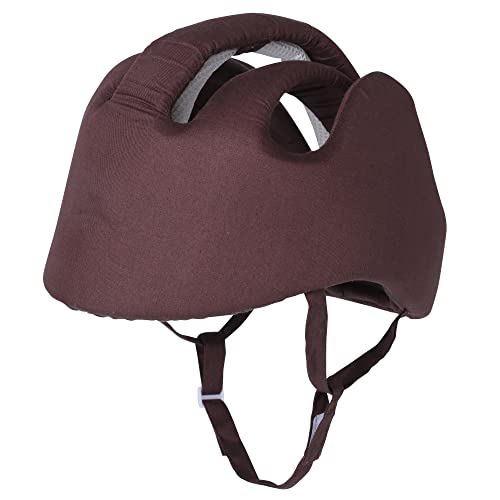
- 0.59-inch XPE foam for soft impact absorption
- Very lightweight at about 0.24 lb
- Adjustable 20.9"–28.7" fit for a wide range of users
Best For: Caregivers and families wanting a soft, lightweight helmet for everyday low-impact protection.
Best for Comfort
Ribcap Hardy Medical Grade Protective Helmet

- Soft, hat-like design for less visible wear
- Built for seizure-related head protection
- Comfortable enough for routine daily use
Best For: People who want discreet, comfortable head protection for drop seizures.
Best for Adjustable Fit

- Soft, breathable build for more comfortable wear
- Adjustable hook-and-loop fit from 19.7" to 28.8"
- Washable and easy to clean for regular use
Best For: Adults or older users who need a soft, adjustable helmet for seizure or fall protection.
Best for Kids
Ribcap Medical Baseball Cap Helmet

- Soft cap-style design is easier for kids to wear
- Chin strap helps keep it secure during activity
- Comfort-focused option for everyday seizure protection
Best For: Kids who need a softer, more discreet helmet for daily seizure protection.
Best Cap-Style Pick
Ribcap Baseball Cap Protective Helmet

- Discreet baseball-cap look for everyday wear
- Soft, comfortable design for routine use
- Good option when appearance matters most
Best For: Users who want a low-profile protective helmet for casual daily wear.
Best Medical-Grade Soft Pick – Ribcap Lenny Medical-Grade Soft Helmet
If you’re comparing protective helmets for drop seizures, the Ribcap Lenny is a soft, medical-grade option designed to help cushion impacts without the hard-shell feel of a traditional helmet. It’s a practical choice for everyday wear when comfort, coverage, and a lower-profile look matter.
Best For: People who want a soft, wearable seizure helmet for daily protection and comfort.
Pros:
- Soft construction is more comfortable for extended wear than rigid helmets
- Medical-grade design supports seizure-related impact protection needs
- Lower-profile style may feel less bulky for regular use
- Useful for users who need protection without a hard outer shell
Cons:
- Soft design may not suit users who prefer maximum rigid-shell coverage
- Fit and comfort can vary depending on head shape and sizing
- More specialized than a general-purpose sports helmet
Overall, the Ribcap Lenny stands out among protective helmets for drop seizures if your priority is comfort-first protection in a soft format. It’s a sensible pick for families and caregivers who want an everyday helmet that feels less intimidating while still offering meaningful impact cushioning.
Best Breathable Pick – Thick Soft Protective Helmet with Mesh Venting
If you’re comparing protective helmets for drop seizures, this thick soft helmet is worth a look for everyday wear when comfort and airflow matter. Its padded build is designed to help reduce impact from falls, while the mesh and top hollow design aim to keep it more breathable for longer use.
Best For: Seniors, adults, or youth who need a soft protective helmet for home use, walking, or light outdoor activities like gardening.
Pros:
- Soft, thick padding helps provide impact protection for fall-prone users
- Mesh and hollow top design improves ventilation for longer wear
- Fits head circumferences up to 25.6 in / 65 cm
- Practical for home, walking, and gardening use
Cons:
- Limited sizing range may not fit larger heads
- Not a hard-shell helmet for higher-impact sports
- Simple design may not suit users wanting more coverage or adjustability
For shoppers focused on protective helmets for drop seizures, this model stands out more for soft comfort and breathability than heavy-duty protection. It makes the most sense if you want a lightweight, everyday head protector that can be worn for extended periods.
Best Soft-Hat Protection – Ribcap Billie Medical Grade Protective Helmet
For shoppers comparing protective helmets for drop seizures, the Ribcap Billie offers a softer, more wearable alternative to hard-shell designs. It is built as a medical-grade protective helmet with a hat-like profile, making it easier to keep on for everyday use while still adding impact protection.
Best For: People who want a low-profile, soft protective helmet for epilepsy or seizure-related fall risk, especially for daily wear at home or out and about.
Pros:
- Soft, hat-style design feels less medical and more wearable
- Offers protective coverage for seizure-related falls and bumps
- Lower-profile look can help with regular daily use
- Medical-grade construction adds confidence for caregivers
Cons:
- Not as rigid or full-coverage as traditional hard helmets
- Fit and comfort may vary depending on head shape and sizing
Overall, the Billie is a practical pick if you want protective helmets for drop seizures that are easier to tolerate day to day without the bulk of a hard sports-style model. It is especially appealing when comfort, appearance, and routine wear matter as much as impact protection.
Best for Breathable Everyday Wear – Soft Breathable Protective Helmet for Seniors
This soft bump helmet is a practical option for buyers comparing protective helmets for drop seizures and other fall-risk situations. It focuses on lightweight padding, a breathable hollow-top design, and an adjustable fit, making it easier to wear for longer periods than bulkier hard-shell options.
Best For: Seniors or adults who need a soft, comfortable head protector for everyday fall protection and extended wear.
Pros:
- Impact-absorbing padding helps reduce injury risk from bumps and falls.
- Breathable hollow-top design and soft materials improve comfort in warmer weather.
- Adjustable chin strap and hook-and-loop closure make sizing easier to fine-tune.
- Lightweight, odor-free construction is suitable for longer wear.
Cons:
- Soft-shell protection is less robust than a full hard helmet.
- Primarily aimed at seniors and fall protection, so fit may not suit every head shape.
- Limited sizing details may make selection less precise for some buyers.
Overall, this is a comfort-first choice for people who want basic head protection without the bulk of a rigid helmet. For shoppers evaluating protective helmets for drop seizures, it stands out as a breathable, adjustable option for lower-profile daily use.
Best Everyday Cap Style – Ribcap Baseball Cap Medical Grade Protective Helmet
If you want protective helmets for drop seizures that look less medical and more like a regular cap, this Ribcap option is worth a close look. It combines soft-impact protection with a baseball-cap profile, making it a practical choice for daily wear, short outings, and users who prefer a less bulky feel.
Best For: People who want discreet, cap-style head protection for epilepsy or drop seizures in everyday settings.
Pros:
- Baseball-cap design is more discreet than traditional medical helmets
- Soft construction is comfortable for routine, extended wear
- Good option for users who want lightweight, low-profile protection
- Suitable for epilepsy-related head protection in casual settings
Cons:
- Not as heavy-duty as larger full-coverage protective helmets
- Style-first design may not suit users needing maximum coverage
Overall, this is a strong pick if discretion, comfort, and everyday usability matter more than rugged coverage. Among protective helmets for drop seizures, it stands out for blending safety support with a familiar cap look.
Best Lightweight Everyday Wear – Thick Protection Helmet for Elderly, Youth & Adults
If you need protective helmets for drop seizures that are simple to wear for long periods, this soft bump cap is worth a look. It uses a 0.59-inch XPE foam core for shock absorption, with a breathable hollow-top design and an adjustable hook-and-loop fit that works for a wide head-size range.
Best For: Older adults, youth, and caregivers looking for a lightweight, soft helmet for daily wear at home or low-impact activities.
Pros:
- Lightweight at about 0.24 lb, so it’s easier to tolerate for extended wear
- Soft XPE foam padding helps reduce impact from bumps and falls
- Adjustable fit covers a wide head circumference range from 20.9″ to 28.7″
- Breathable top-hollow design improves comfort during longer use
Cons:
- Hand wash only, so maintenance is less convenient
- Soft-shell design is better for minor impacts than high-force collisions
- Basic bump-cap styling may not suit buyers wanting a more medical-looking helmet
This is a practical option if comfort and easy wear matter more than bulk, especially for protective helmets for drop seizures used at home. It’s not the most heavy-duty choice, but its light build and adjustable fit make it appealing for everyday protection.
Best for Comfort – Ribcap Hardy Medical Grade Protective Helmet
Ribcap Hardy is a practical choice if you want protective helmets for drop seizures that look more like a soft hat than bulky medical gear. It’s designed to help reduce impact from sudden falls while staying comfortable enough for regular wear at home or on the go.
Best For: People who need low-profile head protection for daily use, especially those who prefer a softer, more wearable helmet style.
Pros:
- Soft, hat-like design is less intimidating than traditional helmets
- Made for seizure-related head protection and everyday wear
- Comfort-focused fit can encourage more consistent use
Cons:
- Not as protective as a rigid full-shell helmet for severe impacts
- Style may not suit users who want a more technical medical look
Overall, Ribcap Hardy stands out for users who prioritize comfort, discretion, and daily wearability in protective helmets for drop seizures. If you need a softer option that’s easier to keep on, this is a strong contender.
Best for Adjustable Fit – Soft Epilepsy Safety Helmet
If you need protective helmets for drop seizures that prioritize comfort and coverage over hard-shell bulk, this soft safety cap is a practical option. Its breathable, hollow-out design and wide adjustment range make it easier to get a secure fit for everyday wear.
Best For: Adults or older users who need a soft, washable helmet with an adjustable fit for seizure or fall protection.
Pros:
- Soft, impact-resistant construction is designed for comfort during longer wear.
- Adjustable hook-and-loop closure fits head circumferences from 19.7″ to 28.8″.
- Hollow-top, breathable design helps reduce heat and stuffiness.
- Washable materials make routine cleaning simpler.
Cons:
- Soft protection may not suit users who need a rigid helmet shell.
- Fit can depend on accurate head measurement and positioning.
- Style is functional rather than discreet or fashion-focused.
For shoppers comparing protective helmets for drop seizures, this model stands out for ease of adjustment, ventilation, and day-to-day comfort. It’s a sensible pick when you want lightweight protection that’s easier to wear consistently.
Best for Kids – Ribcap Medical Baseball Cap Helmet
Ribcap’s soft, cap-style design is a practical option if you want protective helmets for drop seizures without the look and bulk of a traditional hard shell. It aims to blend everyday wearability with impact protection, making it easier for kids to tolerate during regular activities.
Best For: Children who need a softer, more discreet helmet for daily seizure protection and general bump safety.
Pros:
- Soft baseball-cap style is less intimidating than standard medical helmets
- Chin strap helps keep the helmet positioned during wear
- Good choice for all-day use when comfort and appearance matter
- Useful for kids who need light, everyday head protection
Cons:
- Less rugged than heavier-duty protective helmets for drop seizures
- Cap-style coverage may not suit users needing maximum all-around protection
- Fit can be subjective, so sizing needs attention
Overall, this Ribcap model is a strong fit for families seeking protective helmets for drop seizures that feel more like regular headwear than medical gear. It’s a comfort-first option for kids who need moderate protection and better day-to-day wearability.
Best Cap-Style Pick – Ribcap Baseball Cap Protective Helmet
If you want protective helmets for drop seizures that look less medical and more everyday, this cap-style Ribcap is worth a close look. It uses a soft protective design meant to help with light-to-moderate impact protection while keeping a low-profile baseball cap appearance for daily wear.
Best For: People who want a discreet, cap-like helmet for casual use, school, or outings where appearance matters.
Pros:
- Baseball-cap style looks more discreet than traditional seizure helmets
- Soft construction is more comfortable for regular wear than rigid options
- Useful for users who want everyday protection without a bulky profile
Cons:
- Not as protective as heavier-duty helmets for severe impacts
- Fit and sizing may require careful checking before ordering
Overall, this is a strong pick if discretion and comfort matter as much as protection. Among protective helmets for drop seizures, it stands out for blending a casual look with practical everyday coverage.
How We Picked the Best Protective Helmets for Drop Seizures
We focused on Protective Helmets for Drop Seizures that offer meaningful impact protection, stable fit, and wearable comfort for extended use. We also looked for models suited to different head sizes, age groups, and daily routines, since the right helmet is often the one the wearer will actually keep on.
Quick Comparison
In general, softer medical-grade helmets tend to be better for comfort and everyday wear, while thicker protective styles may appeal to users who want more coverage. Cap-style designs usually look less medical and can be easier to accept socially, especially for children, teens, and adults who prefer a more discreet profile.
Key Buying Factors for Protective Helmets for Drop Seizures
Impact Protection and Coverage
Look for sufficient padding around the forehead, temples, and back of the head, since drop seizures can lead to sudden falls and multiple impact points. The goal is to reduce injury risk while still allowing normal movement and vision.
Fit, Adjustability, and Retention
A helmet should stay secure without pinching or sliding. Adjustable chin straps, sizing options, and a snug but comfortable interior are especially important because a poor fit can reduce protection and make the helmet unpleasant to wear.
Breathability and All-Day Comfort
Since many people wear these helmets for long periods, ventilation, weight, and soft lining matter. A lighter, breathable helmet is often easier to tolerate at home, school, or out in public.
Appearance and Daily Practicality
For many buyers, appearance is part of compliance. Baseball-cap styles and softer profile helmets can feel less stigmatizing, which may improve consistent use. Consider how the helmet looks with everyday clothing and whether it suits school, work, or active routines.
Who Should Buy Which Protective Helmets for Drop Seizures?
Choose a softer, cap-style option if comfort, appearance, and all-day wear are top priorities. Choose a thicker protective model if you want a more substantial barrier and a slightly more rugged feel. For children, smaller heads, or users who need a more secure hold, prioritize models with strong adjustability and a stable chin strap. For adults and seniors, the best pick is usually the one that combines dependable coverage with the easiest fit and least irritation over time.
When comparing Protective Helmets for Drop Seizures, the best choice is the one that matches the wearer’s protection needs, comfort level, and willingness to use it consistently.