Finding the right seizure monitoring devices for nighttime use can make overnight care feel far more manageable for families and caregivers. The best options help you notice movement, breathing changes, or emergencies sooner, without adding unnecessary disruption.
In this roundup, we focus on practical devices designed for real-world nighttime monitoring, from contactless sleep trackers to bed alarms and connected alert systems.
Best 10 Seizure Monitoring Devices for Nighttime Use Picks for 2026
Best for Silent Night Alerts
Lunderg Wireless Early Alert Bed Alarm

- Wireless pager sends alerts before bed exit
- No loud in-room alarm to disturb sleep
- Simple setup with adjustable volume or vibration
Best For: Caregivers needing discreet overnight bed-exit alerts for fall-risk or wandering support.
Best for Overnight SpO2 Trends

- Tracks SpO2 and pulse continuously overnight
- Vibration alerts can mark unusual readings
- App and PC reports make trend review easy
Best For: Caregivers and adults who want a comfortable wearable for overnight oxygen tracking and alerts.
Best for Caregiver Alerts
Smart Caregiver Bed Exit Alarm

- Wireless pager with sound and vibration alerts
- Large weight-sensing pad for early bed-exit detection
- Expandable to six Smart Caregiver sensors
Best For: Caregivers who need a simple overnight bed-exit alert for seniors or patients.
Best for Breathing-Only Tracking

- Tracks airflow continuously through the night
- Generates app-based respiratory sleep reports
- Lightweight, comfortable design for home or travel
Best For: People who want overnight breathing data rather than direct seizure detection.
Best for Bed Exit Alerts
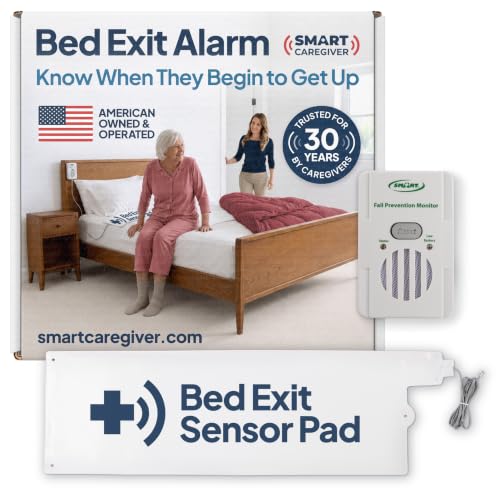
- Instant bed-exit alert when pressure is removed
- Optional wireless caregiver alerts available
- Easy under-sheet placement with status lights
Best For: Caregivers who need a simple overnight bed-exit alarm for elderly adults or dementia care.
Best for Privacy-Focused In-Home Monitoring
NOMO Smart Care Medical Alert System
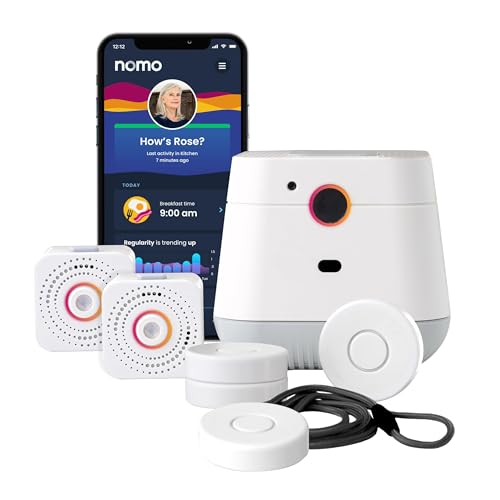
- Camera-free, privacy-first monitoring
- 60-day trial with RapidSOS response
- Easy plug-and-play setup with WiFi
Best For: Families wanting private, in-home alerting with fall detection and caregiver notifications.
Best Contactless Option
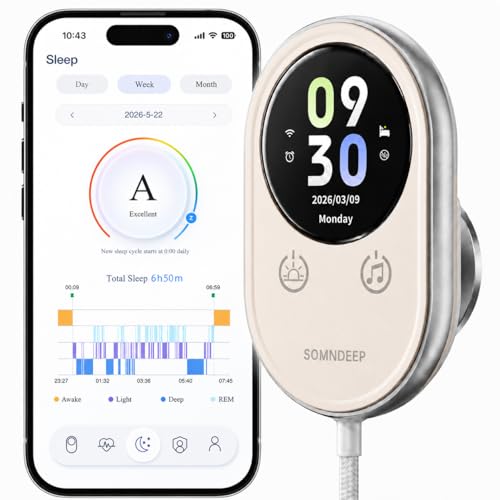
- Non-wearable bedside monitoring
- Tracks breathing, movement, and sleep trends
- Comfortable for overnight use
Best For: Caregivers and sleepers who want passive, contactless overnight wellness tracking.
Best for Discreet Monitoring

- Compact wearable with lanyard or belt clip
- 24/7 monitoring with live operator response
- GPS tracking plus up to 3 days of battery life
Best For: Seniors and caregivers seeking a discreet medical alert device with monitoring and location tracking.
Best for Overnight Data Logging – EMAY Sleep Oxygen Monitor
If you want seizure monitoring devices for nighttime use that can capture overnight oxygen and pulse trends without needing a constant live connection, the EMAY Sleep Oxygen Monitor is a practical pick. It records first and syncs later, so you can review the full night after waking up and share a simple report with a physician.
Best For: Caregivers or users who want a simple overnight recorder for spotting oxygen and pulse changes during sleep.
Pros:
- 40-hour built-in memory records continuous overnight data
- Record-first, sync-later design keeps monitoring simple
- Free app provides second-by-second history and exportable reports
- Large rotating LCD makes it easier to read on the device
Cons:
- Not a medical or diagnostic device
- Designed for sports and aviation use, not clinical seizure detection
- Requires later syncing rather than live app monitoring
For buyers comparing seizure monitoring devices for nighttime use, this EMAY model stands out more as an overnight oxygen and pulse logger than a dedicated alarm system. It is a solid choice when the priority is collecting detailed sleep data for review, but it should be paired with proper medical guidance for seizure concerns.
Best for Silent Night Alerts – Lunderg Wireless Early Alert Bed Alarm
If you’re comparing seizure monitoring devices for nighttime use, the Lunderg Wireless Early Alert Bed Alarm is worth a look because it alerts a caregiver before the person gets fully out of bed, without sounding a loud alarm in the room. The wireless pager setup is simple, portable, and designed for overnight monitoring when you need fast notification and minimal disturbance.
Best For: Caregivers who want a discreet, easy-to-use bed alarm that can help with nighttime wandering or fall risk without startling the person in bed.
Pros:
- Wireless pager alerts you quietly before the person stands up
- No in-room alarm, which is less likely to frighten or agitate
- Easy setup with no Wi-Fi, app, or tools required
- Adjustable pager volume plus vibration mode for overnight use
Cons:
- Designed for bed-exit alerting, not direct seizure detection
- Works best when the sensor pad is placed correctly at hip level
- May be more specialized than a basic motion alarm for some buyers
For families who need a quiet overnight warning system, this model is a practical companion to seizure monitoring devices for nighttime use, especially when the priority is early caregiver notification and less nighttime disruption.
Best for Overnight SpO2 Trends – Wellue O2Ring Oxygen Monitor
If you’re comparing seizure monitoring devices for nighttime use, the Wellue O2Ring is a practical option for tracking oxygen saturation and pulse rate while you sleep. Its finger-worn design, vibration alerts, and continuous recording make it easier to spot overnight drops or unusual patterns without needing a bulky bedside setup.
Best For: Caregivers and adults who want a wearable overnight oxygen and pulse tracker with vibration reminders and app-based reports.
Pros:
- Continuous SpO2 and pulse-rate tracking with up to 16 hours of runtime
- Vibration reminders can flag preset low or abnormal readings during the night
- Free app and PC software generate detailed trend reports for review and sharing
- Soft ring-style sensor is designed for comfortable overnight wear
Cons:
- Not a medical device and not intended to diagnose or treat seizures
- Works best for users with the right finger size and a tolerance for ring-style wearables
- Requires Bluetooth/app setup to get the full reporting features
As a sleep-time monitoring accessory, the O2Ring is useful when you want simple, continuous data and alerts you can review later. It won’t replace dedicated seizure detection, but for buyers shopping seizure monitoring devices for nighttime use, it adds a helpful layer of overnight oxygen tracking.
Best for Caregiver Alerts – Smart Caregiver Bed Exit Alarm
If you’re comparing seizure monitoring devices for nighttime use, this bed exit alarm is a practical option for detecting when someone gets out of bed. The soft weight-sensing pad sends a wireless alert to the included pager, helping caregivers respond quickly without relying on camera-based monitoring or complicated setup.
Best For: Caregivers who want a simple, wireless bed-exit alert for seniors, patients, or anyone who may need immediate nighttime attention.
Pros:
- Wireless pager gives both sound and vibration alerts for flexible nighttime monitoring.
- Large 10" x 30" bed pad is designed to detect pressure changes early.
- Expandable system supports up to six Smart Caregiver sensors for broader coverage.
- U.S.-based company with customer support can be reassuring for first-time buyers.
Cons:
- It alerts on bed exit, not movement or seizure activity itself.
- Works best when the pad is placed correctly under the shoulders.
- Requires a caregiver who can hear or feel pager notifications.
For households looking at seizure monitoring devices for nighttime use, this is better seen as a reliable bed-exit safety tool than a full seizure-detection system. It can still add valuable overnight awareness by alerting caregivers the moment someone leaves the bed.
Best for Breathing-Only Tracking – EMAY Sleep Breathing Monitor
For shoppers comparing seizure monitoring devices for nighttime use, this EMAY monitor is better thought of as a breathing-data tool than a true seizure alarm. It records airflow and sleep respiratory events in the app, giving you a practical, low-cost way to review overnight breathing patterns and spot changes that may be worth discussing with a doctor.
Best For: People who want a lightweight, at-home monitor for tracking nighttime breathing, airflow, and sleep respiratory events—not SpO2 or direct seizure detection.
Pros:
- Continuous airflow tracking with app-based sleep report analysis
- Lightweight 10g design with soft silicone and adjustable straps for overnight wear
- Useful for reviewing breathing changes, AHI, and snoring data in the morning
Cons:
- Does not detect seizures or replace dedicated seizure monitoring devices for nighttime use
- Not suitable for mouth breathers, CPAP use, or SpO2/pulse tracking
- Only monitors nasal breathing, so it is not a full sleep health solution
This EMAY unit fits buyers who want affordable overnight respiratory monitoring, but it should be viewed as a specialized breathing tracker rather than one of the seizure monitoring devices for nighttime use. If your goal is to log sleep-breathing trends and share clearer data with a clinician, it offers a simple and portable option.
Best for Bed Exit Alerts – Smart Caregiver Bed Alarm
If you’re comparing seizure monitoring devices for nighttime use, this bed alarm is a simple way to catch movement the moment pressure leaves the pad. It’s designed for caregivers who want an early alert when a loved one gets up, with flexible alarm options and a low-maintenance setup for bedside use.
Best For: Caregivers who need a straightforward bed-exit alert for elderly adults, dementia care, or nighttime supervision.
Pros:
- Instantly alerts when pressure is removed from the sensor pad
- Optional wireless add-on can notify the caregiver without startling the patient
- Easy to place under the fitted sheet and mount the monitor nearby
- Includes low-battery and sensor status lights for basic peace of mind
Cons:
- Wireless caregiver alert kit is sold separately
- Not a seizure-specific monitor or medical-grade detection system
- Requires a 9-volt battery or separate AC adapter
This is a practical pick if you want a dependable bed-exit alarm rather than a full clinical system. For shoppers prioritizing simple, overnight awareness, it can complement seizure monitoring devices for nighttime use by covering one of the biggest risks: unsupervised bed exits.
Best Contactless Night Monitor – Contactless Smart Sleep Tracker
If you’re comparing seizure monitoring devices for nighttime use, this contactless bedside tracker is worth a look for families who want quiet, non-wearable overnight awareness without putting anything on the sleeper. It uses radar-based sensing to follow movement, breathing trends, heart rate, and sleep patterns from the nightstand, making it a practical option for general wellness and routine tracking.
Best For: Adults, seniors, and sensitive sleepers who want a contactless bedside monitor with app-based sleep trend reporting.
Pros:
- Non-wearable radar design avoids rings, watches, or bedside camera recording.
- Tracks breathing patterns, heart rate, movement, and sleep-stage trends overnight.
- Plug-in setup is simple and reduces missed data from charging or forgotten wearables.
- App reports and family sharing make it easy to review nightly patterns over time.
Cons:
- Designed for general wellness, not as a medical seizure alarm or diagnostic tool.
- Radar accuracy can be affected by fans, curtains, or other bedroom interference.
- Requires Wi‑Fi and app use to view full reports and trends.
As a contactless sleep monitor, it’s a strong fit if you want hands-off overnight insight, but buyers looking specifically at seizure monitoring devices for nighttime use should remember it does not replace a dedicated medical alert system.
Best for Privacy-Focused In-Home Monitoring – NOMO Smart Care Medical Alert System
If you want a camera-free alert system that supports caregiving inside the home, the NOMO Smart Care kit is a practical option to consider. It combines motion and sound sensing with a wearable tag, app alerts, and two-way voice communication, making it a useful fit for households comparing seizure monitoring devices for nighttime use.
Best For: Seniors and families who want private, WiFi-based in-home monitoring with fall alerts, caregiver notifications, and an easy plug-and-play setup.
Pros:
- Camera-free design keeps monitoring more private than video-based systems.
- Includes a 60-day monitoring trial with RapidSOS emergency response.
- Fast setup with no landline, technician visit, or special wiring required.
- Adjustable alert sensitivity helps tailor notifications in the app.
Cons:
- Requires home WiFi for the hub and satellites to function.
- Ongoing monitoring costs $19.99 per month after the trial.
- Designed for in-home monitoring, not a dedicated medical seizure alarm.
For buyers comparing seizure monitoring devices for nighttime use, NOMO stands out more as a privacy-first home safety and fall-alert system than a specialized clinical seizure detector. It makes the most sense if you want broader overnight peace of mind, caregiver alerts, and simple installation in an aging-in-place setup.
Best Contactless Option – 60GHz Radar Sleep Tracker
This contactless bedside monitor is a practical pick for shoppers comparing seizure monitoring devices for nighttime use, especially if you want passive sleep and breathing trend tracking without wearing anything to bed. It uses 60GHz radar sensing to observe body movement, breathing patterns, sleep duration, and nightly sleep trends for general wellness insights.
Best For: Families or caregivers who want a non-wearable, bedside sleep monitor to help observe overnight breathing and movement trends.
Pros:
- Non-wearable design is more comfortable for overnight use
- 60GHz radar tracks breathing patterns, movement, and sleep duration
- Useful for building long-term sleep trend awareness
- Bedside setup keeps monitoring unobtrusive
Cons:
- Designed for wellness tracking, not medical seizure detection
- Requires bedside placement and proper positioning
- May be less useful if you need alert-based medical monitoring
For buyers focused on comfort and low-friction overnight tracking, this monitor offers a simple way to watch sleep and breathing patterns. It can complement a broader safety plan, but it should not be mistaken for medical seizure monitoring devices for nighttime use or a substitute for clinical-grade alert systems.
Best for Discreet Monitoring – Medical Guardian MGMini
If you’re comparing seizure monitoring devices for nighttime use, the Medical Guardian MGMini is better suited for discreet emergency response and caregiver support than hands-free seizure detection. Its compact design, 24/7 monitoring, GPS tracking, and quick access to a live operator can be helpful for people who want a wearable safety backup overnight or throughout the day.
Best For: Seniors and caregivers who want a small, easy-to-wear medical alert device with live monitoring and location tracking.
Pros:
- Compact, discreet wearable with lanyard or belt clip options
- 24/7 U.S.-based monitoring with two-way voice and quick response
- GPS tracking and nationwide 4G LTE coverage for added peace of mind
- Up to 3 days of battery life for everyday use
Cons:
- Requires a monthly subscription after the trial period
- Does not provide automatic seizure-specific detection on its own
- Fall detection costs extra if you want that add-on
Overall, this is a strong pick for buyers who want a simple wearable emergency device rather than a dedicated clinical seizure monitor. For seizure monitoring devices for nighttime use, it works best as a backup alert system for someone who can press the button or wants monitored support nearby.
How We Picked the Best Seizure Monitoring Devices for Nighttime Use
We prioritized monitoring tools that are useful overnight, easy to set up, and designed to provide timely alerts. For Seizure Monitoring Devices for Nighttime Use, the most important factors are reliable detection, alert speed, comfort, and whether the system fits the sleeping environment.
Quick Comparison
Different devices serve different needs. Contactless sleep monitors are best for passive tracking of breathing and movement. Wearable oxygen and pulse monitors can add another layer of overnight insight. Bed exit alarms and caregiver pagers are better for detecting when someone gets out of bed, while medical alert systems are better for broader emergency response.
Key Buying Factors for Seizure Monitoring Devices for Nighttime Use
Detection Type
Choose the detection method that matches the risk you want to monitor. If you need motion and breathing awareness, radar-based or bedside sleep monitors may be a good fit. If leaving bed is the main concern, a bed pad alarm or wireless pager system may be more appropriate.
Alert Method
Look at how alerts are delivered: caregiver pager, app notification, vibration, alarm sound, or emergency call system. The best choice depends on whether the caregiver is in the same room, nearby, or monitoring remotely.
Comfort and Sleep Disruption
For overnight use, comfort matters. Non-wearable systems reduce friction and are often easier for long-term use. Wearable monitors can provide more detailed data, but only if the user tolerates them well.
Reliability and Power
Check battery life, wireless stability, and whether the device records data during the night. A dependable system should keep working through normal sleep movement and minor interruptions.
Caregiver Workflow
Think about who responds to the alert and how quickly they can do it. The best Seizure Monitoring Devices for Nighttime Use support a simple response routine, especially in homes where one caregiver may be sleeping or stationed in another room.
Who Should Buy Which Seizure Monitoring Devices for Nighttime Use?
Buy a contactless sleep monitor if you want passive overnight tracking with minimal disruption. Choose a wearable oxygen or breathing monitor if you want more physiologic data and the user is comfortable wearing a device. Pick a bed alarm or caregiver pager if the main concern is getting up, wandering, or bed exits. Consider a medical alert system if you want broader emergency coverage beyond nighttime monitoring.
For many families, the best setup is the one that is easiest to trust and use consistently. Matching the alert style to the caregiver’s routine is often more important than choosing the device with the most features.