Sleep issues tied to chronic conditions often need more than a simple sleep score. The right device can help you track breathing patterns, oxygen levels, movement, and nighttime changes that matter for daily care.
We rounded up 10 options that focus on practical overnight monitoring, comfort, and ease of use so you can compare what fits your needs, your routine, and your budget.
Best 10 Sleep Monitoring Devices for Chronic Conditions Picks for 2026
Best for Airflow Tracking

- Tracks breathing airflow continuously through the night
- App generates a professional respiratory report
- Lightweight, portable design for home or travel
Best For: Users who want a simple overnight breathing monitor focused on airflow and respiratory events.
Best Under-Mattress Monitor

- Non-wearable under-mattress design
- Tracks sleep cycles, heart rate, and snoring
- Good for long-term at-home trend tracking
Best For: People who want a discreet, non-wearable sleep tracker for home use.
Best Contactless Family Monitoring
Sleep Tracker, Under-Sheet Sleep Monitor
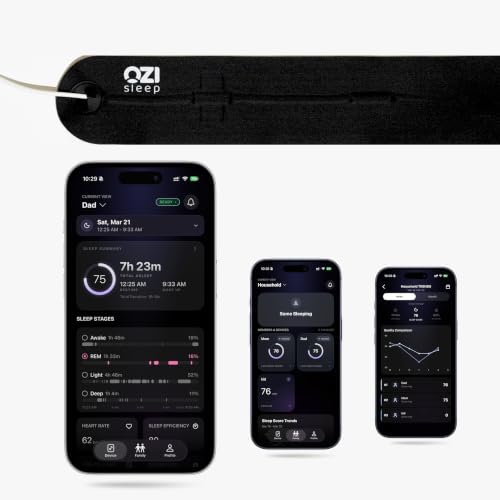
- Contactless under-sheet design with no wearables or camera
- Tracks sleep stages, heart rate, breathing, movement, and bed exits
- No monthly fees and caregiver-friendly alerts
Best For: Families and caregivers who want easy overnight tracking without a wearable.
Best Portable Pick
Sleep Aid Device Handheld Microcurrent Sleep Machine
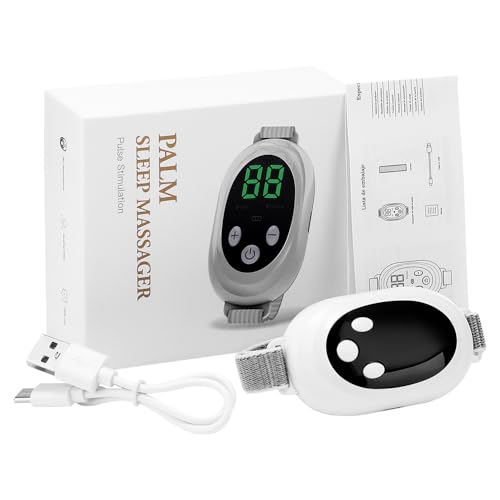
- Portable USB-rechargeable design
- Simple display and button controls
- Strap helps keep it secure overnight
Best For: Travelers and everyday users who want a compact sleep support device they can use anywhere.
Best for Bed-Exit Alerts
Sleep Detection Pad, Vital Sign Monitoring Pad

- Real-time bed-exit alerts for caregiver response
- Non-contact sensing with no wearable required
- Tracks sleep phases and movement overnight
Best For: Caregivers monitoring older adults at home or in facilities.
Best for Airflow Tracking – EMAY Sleep Breathing Monitor
If you’re comparing sleep monitoring devices for chronic conditions, this EMAY monitor stands out for its breathing-airflow focus rather than broad wellness tracking. It captures overnight airflow data in real time, analyzes respiratory events with AI, and turns the results into a report you can review in the app the next morning.
Best For: People who want a lightweight, at-home breathing monitor for tracking airflow changes, snoring, and respiratory events during sleep.
Pros:
- Continuously records airflow and flags waveform abnormalities in real time
- Generates a professional sleep report with data analysis in the app
- Lightweight 10g design with food-grade silicone and adjustable straps
- Portable enough for home use or travel
Cons:
- Not compatible with CPAP masks at the same time
- Designed for nasal breathing only, so it’s not ideal for mouth breathers
- Does not track SpO2 or pulse rate
For sleep monitoring devices for chronic conditions, this is a focused option if your main priority is breathing data and respiratory-event screening rather than full medical-grade vitals. It’s a practical pick for users who want clearer overnight airflow insights without a bulky setup, but it should complement—not replace—professional medical evaluation.
Best for Simple Snoring Relief – Anti Snoring Mini SleepApnea Device
If you’re comparing sleep monitoring devices for chronic conditions and need a straightforward way to reduce snoring, this mini nasal anti-snoring aid is a practical low-tech option. It’s designed to open the nasal passages, improve airflow, and support quieter sleep without adding a complex setup.
Best For: Shoppers who want an easy-to-use nasal snoring aid that may help improve sleep quality for themselves or a partner.
Pros:
- Dual-side air delivery design helps widen the airway for easier breathing
- Soft silicone construction aims for a more comfortable fit
- Fits a range of nostril shapes and sizes
- Simple, portable solution for everyday snoring reduction
Cons:
- May not be suitable for people who need true medical-grade monitoring
- Comfort and effectiveness can vary by user and nasal anatomy
- Focused on snoring relief rather than broader sleep tracking features
For readers seeking sleep monitoring devices for chronic conditions, this product is more of a comfort-and-airflow aid than a diagnostic tool. It makes sense as a support device if snoring is the main issue, but it won’t replace dedicated tracking or clinical treatment when that’s needed.
Best for Overnight Data Review – EMAY Sleep Oxygen Monitor
If you want one of the more practical sleep monitoring devices for chronic conditions, the EMAY Sleep Oxygen Monitor focuses on overnight oxygen and pulse tracking with a built-in memory, so you can record first and sync later. It’s useful for spotting patterns over time and sharing a simple report with a clinician.
Best For: People who need continuous overnight SpO2 and pulse data with easy app-based review and export.
Pros:
- 40-hour built-in memory supports uninterrupted overnight recording
- Records without a live app connection, then syncs later at your convenience
- App can show second-by-second history and export a summary report
- Large rotating LCD makes it easier to read during setup and use
Cons:
- Intended for sports and aviation use only, not medical diagnosis
- Not a full sleep study or multi-sensor monitor
- Less useful if you want real-time alerts while you sleep
For buyers comparing sleep monitoring devices for chronic conditions, this EMAY model stands out for simple overnight logging and easy data sharing rather than advanced clinical features. It’s a solid fit when you mainly need consistent oxygen and pulse trends you can review after the night is over.
Best Under-Mattress Monitor – Withings Sleep Tracking Pad
If you want one of the more discreet sleep monitoring devices for chronic conditions, the Withings Sleep pad sits under your mattress and tracks sleep cycles, heart rate, and snoring without anything to wear. It’s a practical option for people who want overnight trend data at home and prefer a low-fuss setup.
Best For: Users who want a non-wearable under-mattress sleep tracker for ongoing at-home monitoring.
Pros:
- Under-mattress design is simple and unobtrusive
- Tracks sleep stages, heart rate, and snoring
- Helpful for reviewing long-term sleep patterns and interruptions
Cons:
- Not a medical device for diagnosis or treatment
- Works best for consistent mattress setups
For shoppers comparing sleep monitoring devices for chronic conditions, this model stands out for passive tracking and easy nightly use, though it’s better for personal trend awareness than clinical-grade monitoring. It’s a strong fit if comfort and convenience matter more than wearable sensors.
Best Contactless Family Monitoring – Sleep Tracker, Under-Sheet Sleep Monitor
This contactless sleep tracker is a practical pick for buyers comparing sleep monitoring devices for chronic conditions, especially when they want overnight visibility without wearing a watch, ring, or camera system. It sits under the sheet, tracks sleep stages, heart rate, breathing, movement, and bed-exit events, and keeps setup simple with no monthly fee.
Best For: Families, caregivers, and adults who want non-wearable sleep tracking with alerts for movement or bed exits.
Pros:
- No-watch, no-ring, contactless design is easier to live with overnight.
- Tracks useful sleep data including stages, heart rate, breathing, and movement.
- Real-time alerts can help caregivers monitor bed exits and unusual changes.
- No monthly subscription adds long-term value.
Cons:
- Requires an app, so it is less useful if you want fully standalone tracking.
- Under-sheet placement may not suit every bed setup or sleeping arrangement.
- Not a medical device, so it is best used as a monitoring aid rather than a diagnosis tool.
For shoppers comparing sleep monitoring devices for chronic conditions, this model stands out for comfort and caregiver-friendly alerts rather than advanced clinical features. It is a strong fit when the priority is overnight awareness without adding another wearable to manage.
Best Portable Pick – Sleep Aid Device Handheld Microcurrent Sleep Machine
If you want a simple, travel-friendly option in the broader category of sleep monitoring devices for chronic conditions, this handheld sleep aid focuses more on calming the body than tracking data. Its low-frequency pulse and microcurrent design are meant to help ease anxiety and support sleep, while the compact USB-rechargeable format makes it easy to keep nearby at home, work, or on the road.
Best For: Shoppers who want a small, easy-to-carry sleep aid they can use consistently in different settings.
Pros:
- Compact, portable design is easy to pack for travel or business trips
- Display and button controls make it straightforward to adjust settings
- Strap design helps keep the device in place during sleep
- USB charging adds convenience for everyday use
Cons:
- May feel different from person to person, since vibration perception varies
- Not a true monitoring device and does not provide sleep-tracking data
- Best suited as a comfort aid, not a replacement for medical care
For buyers comparing sleep monitoring devices for chronic conditions, this model makes the most sense if portability and ease of use matter more than advanced app-based tracking. It’s a practical pick for people who want a lightweight sleep support device they can use anywhere.
Best for Bed-Exit Alerts – Sleep Detection Pad, Vital Sign Monitoring Pad
This sleep detection pad is a practical option for caregivers comparing sleep monitoring devices for chronic conditions, especially when the main need is real-time bed-exit alerts and basic overnight status tracking. It uses non-contact sensing, so it can be placed under bedding without requiring the user to wear anything.
Best For: Older adults, caregivers, and home or facility monitoring where immediate out-of-bed alerts matter more than advanced clinical reporting.
Pros:
- Real-time monitoring with immediate alerts when the user leaves the bed
- Non-contact design avoids wearables and is described as non-sensitive in or out of bed
- Tracks sleep status indicators like duration, deep sleep, light sleep, wakefulness, and turning over
- Lightweight, rollable pad can be used in bedrooms, hospitals, or offices
Cons:
- Designed more for monitoring and alerting than for detailed medical-grade sleep analysis
- Requires Wi-Fi, a power adapter, and compatible app access
- Pad size and setup may be less convenient for very small beds or travel use
For buyers prioritizing quick alerts and simple overnight oversight, this pad fits well among sleep monitoring devices for chronic conditions. It is especially useful when the goal is remote caregiver awareness rather than full-featured sleep lab style data.
Best for Positional Therapy – Sleep Position Trainer Vest
If you’re comparing sleep monitoring devices for chronic conditions, this sleep position trainer is a simple positional-therapy option that helps discourage back sleeping and encourages side sleeping. It’s not a data-tracking monitor, but it can support better breathing habits for people whose sleep quality worsens when they roll onto their back.
Best For: Sleepers who want a lightweight, non-electronic way to reduce back sleeping and support positional apnea management.
Pros:
- Encourages side sleeping to help reduce snoring and back-sleeping habits
- Adjustable, stretchy vest fits a wide range of body types
- Portable and easy to use at home or while traveling
- Includes multiple ball options for different comfort preferences
Cons:
- Doesn’t track sleep metrics or provide monitoring data
- May feel intrusive for sleepers who dislike positional gear
- Results depend on consistent overnight use
This is a practical add-on if your main goal is posture-based sleep support rather than full tracking, making it a useful complement to sleep monitoring devices for chronic conditions.
Best Contactless Tracking – Contactless Smart Sleep Tracker
If you want sleep monitoring devices for chronic conditions without wearing a ring or watch, this bedside radar tracker is built for low-effort overnight use. It focuses on practical sleep trends like movement, breathing pattern, heart rate, and sleep stages, which can help you spot patterns over time without adding discomfort at bedtime.
Best For: Adults, seniors, and sensitive sleepers who want a non-wearable sleep tracker with simple app reports and privacy-friendly radar sensing.
Pros:
- Contactless 60GHz radar tracking, so nothing needs to be worn overnight
- Monitors sleep duration, movement, breathing trends, heart rate, and sleep stages
- Privacy-friendly design with no camera and clear app-based charts
- Plug-in setup with wind-down features and family sharing options
Cons:
- Requires stable placement and fewer nearby air currents or moving objects for best results
- Not a medical device and should be treated as a general wellness tool
- 2.4GHz Wi-Fi/app reliance may be less convenient for some users
Overall, this is a strong fit if you prefer sleep monitoring devices for chronic conditions that are easy to live with night after night. It trades advanced medical claims for comfort, privacy, and low-friction tracking, which makes it appealing for people who want consistent sleep data without wearing anything to bed.
Best for Side-Sleep Habit Training – Calma Clip v2 Side Sleep Posture Aid
If you’re comparing sleep monitoring devices for chronic conditions with simple, non-electronic sleep aids, the Calma Clip v2 offers a low-tech way to encourage side sleeping and reduce back-sleep snoring. It clips to the upper back of your shirt and uses posture feedback instead of sensors, making it a practical add-on for people who mainly need position training.
Best For: Back snorers who want a wearable side-sleep trainer that doesn’t require batteries, apps, or setup.
Pros:
- Clips onto most shirts for quick nightly use
- Helps train side sleeping, which may reduce back-sleep snoring
- No charging, pairing, or app learning curve
- Simple, lightweight design for at-home use
Cons:
- Only useful for people whose snoring improves when sleeping on their side
- May fall off at first before you adapt to it
- Shirt not included
As a posture aid, this is less about tracking and more about behavior change, so it won’t replace sleep monitoring devices for chronic conditions that measure data overnight. But if your main goal is to stop rolling onto your back and build a side-sleep habit, it’s a straightforward, affordable place to start.
How We Picked These Sleep Monitoring Devices for Chronic Conditions
We prioritized devices that offer useful overnight data, simple setup, and a monitoring style suited to real-world use. That means a mix of contactless under-mattress trackers, wearable-style monitors, and positional aids, since different chronic conditions call for different types of support. We also favored options that provide recurring tracking without unnecessary complexity.
Quick Comparison: What Type of Monitor Fits Your Needs?
If you want passive tracking, contactless pads and under-sheet monitors are usually the easiest to live with. If your main concern is breathing or oxygen during sleep, dedicated respiratory or pulse-ox monitoring may be more relevant. If snoring or position-related airway issues are the bigger problem, positional trainers and anti-snoring aids may be the better fit. The best Sleep Monitoring Devices for Chronic Conditions are the ones that measure the right signals consistently and comfortably.
Key Buying Factors for Sleep Monitoring Devices for Chronic Conditions
1. the Metrics You Actually Need
Match the device to the condition. Some users need breathing and respiratory-event tracking, while others benefit more from heart rate, oxygen saturation, sleep stages, movement, or in-bed versus out-of-bed detection.
2. Comfort and Compliance
For ongoing use, comfort matters as much as accuracy. Contactless or under-mattress devices are often easier for people who dislike wearables, while positional devices may work best for those who need a behavior change rather than detailed analytics.
3. App Quality and Data Access
Look for clear overnight reports, trend views, and easy exporting or sharing. If you’re managing a chronic issue, being able to review patterns over time is more valuable than a single-night snapshot.
4. Placement, Setup, and Maintenance
Choose a device that fits your bed setup and routine. Some products are truly plug-and-play, while others require calibration, app pairing, or consistent positioning to perform well.
5. Alerts, Storage, and Fees
Check whether recordings are stored locally, in an app, or behind a subscription. For long-term monitoring, avoiding recurring fees can make a big difference.
Who Should Buy Which Sleep Monitoring Devices for Chronic Conditions?
Choose contactless sleep trackers if you want the least intrusive option for ongoing monitoring. Choose oxygen or breathing-focused devices if respiratory changes are your main concern. Choose positional or anti-snoring solutions if the problem appears to worsen when sleeping on your back. For people managing multiple symptoms, the best approach is often to start with the metric most closely tied to the condition and expand from there.