Choosing the right sleep monitoring devices for seniors can make nights safer, calmer, and easier to manage for both older adults and caregivers.
From contactless trackers to bed-exit alarms and emergency alert systems, the best options balance comfort, simplicity, and reliable notifications.
Best 10 Sleep Monitoring Devices for Seniors Picks for 2026
Best Under-Mattress Sleep Monitor

- No wearable needed overnight
- Tracks sleep stages, snoring, and heart rate
- Fits discreetly under the mattress
Best For: Seniors who want passive overnight sleep tracking without wearing a device.
Best for In-Home Alerts
NOMO Smart Care Medical Alert System
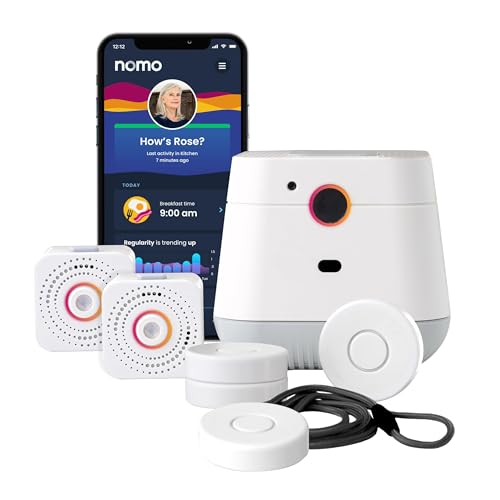
- Camera-free monitoring with motion, sound, and fall alerts
- Easy plug-and-play setup using home WiFi
- 60-day monitoring trial with optional subscription after
Best For: Seniors who need private, in-home safety monitoring with emergency alerts and caregiver notifications.
Best Non-Wearable Smart Bed Monitor
Beautyrest Sleeptracker Monitor
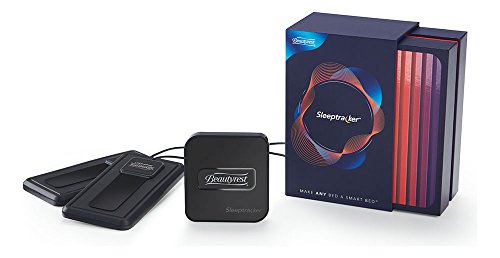
- No-wear, under-mattress sleep tracking
- Monitors breathing, heart rate, and movement
- Separates data for two sleepers
Best For: Seniors who want passive sleep tracking without wearing a device.
Best for Bed-Exit Alerts
Smart Caregiver Bed Exit Alarm with Pager

- Wireless bed pad alerts caregivers when pressure is removed
- Pager offers sound or vibration notifications
- Expandable with other Smart Caregiver sensors
Best For: Families monitoring seniors at night for bed exits, wandering, or fall risk.
Best for Early Exit Alerts
Lunderg Early Alert Bed Alarm System

- Pre-alert tech notifies you before bed exit is complete
- Monitors up to 3 sensor pads from one portable pager
- Includes vibration mode, adjustable volume, and batteries
Best For: Caregivers who need faster nighttime bed-exit alerts for seniors at fall risk.
Best Contactless Monitoring
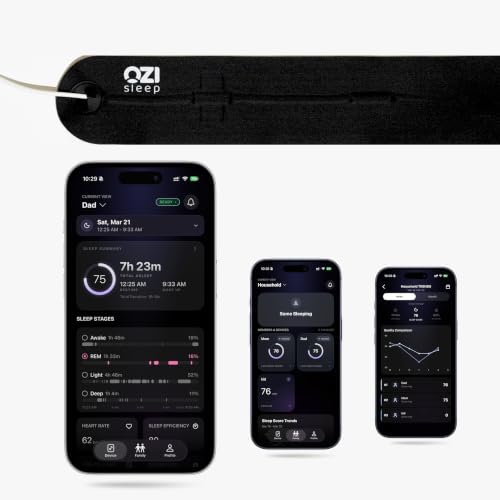
- No wearable, camera, or ring needed
- Tracks sleep stages, breathing, heart rate, and bed exits
- No monthly subscription and easy setup
Best For: Seniors and caregivers who want non-contact sleep tracking with alerts.
Best for Easy Setup – JUST ON Smart Sleep Tracker for Seniors
If you want one of the more approachable sleep monitoring devices for seniors, this non-wearable tracker keeps the process simple: place it under the mattress, connect the app, and start reviewing overnight sleep and breathing data. It is built for caregivers and older adults who want monitoring without straps, rings, or anything to remember to wear.
Best For: Seniors and family caregivers who want a low-fuss sleep monitor with breathing tracking, simple app reports, and alert notifications.
Pros:
- Non-wearable design is easier to use overnight than wearable devices
- Tracks sleep and breathing patterns with radar-based sensing
- Can send emergency alerts to registered caregivers if irregular signals are detected
- Includes calming sound therapy and a gentle wake-up alarm
Cons:
- Requires a compatible smartphone app for setup and review
- Under-mattress placement may not suit every bed or sleeping setup
- Not a medical device, so it should complement rather than replace care
For families comparing sleep monitoring devices for seniors, this model stands out for its ease of setup and caregiver notifications more than advanced analytics. It is a practical pick if you want a simple overnight monitor that is comfortable to use and easy to check from the app.
Best Under-Mattress Sleep Monitor – Withings Sleep Tracking Pad
For shoppers comparing sleep monitoring devices for seniors, the Withings Sleep Tracking Pad offers a simple, non-wearable way to track overnight sleep without asking the user to remember a watch or clip-on device. It sits under the mattress and automatically measures sleep cycles, snoring, heart rate patterns, and interruptions, making it a practical option for at-home sleep awareness.
Best For: Seniors who want a passive, under-mattress sleep tracker with snoring and heart-rate insights.
Pros:
- Under-mattress design means no wearable to charge or wear overnight
- Tracks sleep phases, interruptions, snoring, and heart-rate activity
- Useful for building a clearer picture of nightly sleep patterns over time
Cons:
- Only works well with compatible mattress setups
- Does not provide direct medical advice or emergency monitoring
- Snoring and sleep insights are helpful, but not a substitute for a sleep study
As one of the more discreet sleep monitoring devices for seniors, this pad is appealing if ease of use matters more than app-free simplicity. It is a strong fit for households that want quiet overnight tracking and basic wellness insight without adding another wearable routine.
Best for In-Home Alerts – NOMO Smart Care Medical Alert System
If you want sleep monitoring devices for seniors that do more than track motion, NOMO Smart Care adds in-home fall detection, emergency calling, and caregiver alerts without using a camera. It’s built for aging in place, with simple plug-and-play setup and WiFi-based monitoring that works around the clock.
Best For: Seniors who need privacy-first, in-home safety monitoring with fall alerts, two-way voice communication, and a virtual caregiver setup.
Pros:
- Camera-free system helps protect privacy while still monitoring movement and sound.
- Includes a 60-day trial of 24/7 monitoring with RapidSOS emergency response.
- Easy plug-and-play installation with no landline or technician visit required.
- Adjustable tag sensitivity and caregiver notifications add flexibility for families.
Cons:
- Requires home WiFi for the hub and satellites to function.
- Monitoring continues only with a paid monthly subscription after the trial.
For shoppers comparing sleep monitoring devices for seniors, NOMO stands out more as a full home safety and alert system than a pure sleep tracker. That makes it a strong choice if overnight reassurance, fall detection, and emergency response matter more than detailed sleep-stage data.
Best Non-Wearable Smart Bed Monitor – Beautyrest Sleeptracker Monitor
Beautyrest Sleeptracker Monitor – Wearable-Free Sleep Tracker – Intuitive App and Alexa Enabled
Check Price On AmazonThe Beautyrest Sleeptracker is a practical option for shoppers comparing sleep monitoring devices for seniors because it tracks sleep without anything to wear, clip on, or charge. It fits under the mattress and uses AI-driven sensors to monitor breathing, heart rate, movement, and wakefulness, while the app turns that data into easy-to-read sleep insights.
Best For: Seniors who want a no-contact sleep tracker that can monitor two sleepers independently and work with an existing bed setup.
Pros:
- Wearable-free design is easier for seniors who dislike watches or bands
- Tracks respiration, heart rate, movement, and wakefulness with bed-based sensors
- Supports separate sleep data for two sleepers, which is useful for couples
- Alexa-enabled smart home integration adds convenience
Cons:
- Requires a compatible bed setup and is not a standalone bedside device
- App-based reporting may feel more detailed than some users need
- Only available for purchase in the United States
For buyers who want sleep monitoring devices for seniors without straps, charging, or skin contact, this Beautyrest model stands out for its bed-integrated approach and individualized coaching. It’s especially appealing if you want passive overnight tracking with smart-home convenience.
Best for Bed-Exit Alerts – Smart Caregiver Bed Exit Alarm with Pager
If you need one of the more practical sleep monitoring devices for seniors, this bed-exit alarm is built around a simple goal: alert caregivers the moment a loved one starts to get up. The soft bed pad senses pressure loss and sends a wireless signal to the pager, making it useful for overnight fall prevention without constant room checks.
Best For: Families and caregivers who want a straightforward, wireless bed alarm for nighttime fall prevention and wandering risk.
Pros:
- Wireless pager alerts make it easier to monitor from another room.
- Large 10″ x 30″ sensor pad is designed to reduce false alarms.
- Pager includes both sound and vibration options for flexible use.
- Expandable system can support additional Smart Caregiver sensors.
Cons:
- Only monitors bed exit, not overall sleep quality or vital signs.
- Works best when the pad is placed correctly under the shoulders.
For households focused on fall prevention rather than full sleep tracking, this is a dependable choice among sleep monitoring devices for seniors. It prioritizes fast, practical alerts and simple caregiver response over extra features.
Best for No-Wear Monitoring – Contactless Smart Sleep Tracker
If you want one of the more practical sleep monitoring devices for seniors, this contactless bedside tracker is designed to work without a ring, watch, or chest strap. It uses radar sensing to track sleep duration, movement, breathing trends, heart rate, and stage insights, while keeping the setup simple enough for everyday use.
Best For: Older adults, sensitive sleepers, and caregivers looking for a non-wearable sleep tracker that runs automatically each night.
Pros:
- Contactless radar design avoids uncomfortable wearables and forgotten charging.
- Tracks sleep trends, breathing patterns, heart rate, and nighttime movement.
- Privacy-friendly no-camera sensing with app-based reports and long-term charts.
- Useful wind-down features and family sharing add extra convenience.
Cons:
- Works best when the bedside area is kept clear of moving fans, curtains, or similar interference.
- Requires Wi-Fi and app use, which may still be a hurdle for some seniors.
For buyers comparing sleep monitoring devices for seniors, this model stands out for its low-effort, non-contact approach and clear app reporting. It is less about medical-style analysis and more about making nightly sleep tracking easier, quieter, and more comfortable to maintain consistently.
Best for Nighttime Fall Prevention – Wireless Bed Exit Alarm with Caregiver Pager
If you’re comparing sleep monitoring devices for seniors, this wireless bed sensor alarm is built for early warning rather than constant bedside supervision. The 20 x 30 inch pad detects weight changes and sends an alert to the caregiver pager before a loved one fully gets out of bed, which can help reduce nighttime fall risk and false alarms.
Best For: Dementia care, nighttime bed-exit monitoring, and caregivers who want a simple wireless alert system with adjustable notification modes.
Pros:
- Large 20 x 30 inch sensor pad helps improve detection and reduce false positives
- Adjustable pager volume plus vibrate-only mode for day or night use
- Wireless setup with 400 ft range and included batteries for quicker installation
- Waterproof, easy-to-clean pad that sits under the sheet without affecting comfort
Cons:
- Requires a flat mattress surface or topper for proper placement
- Only monitors bed exits, not general room movement or wandering
- Indoor wireless range may be lower than the stated maximum depending on layout
For caregivers who want a focused alert system, this is a practical choice among sleep monitoring devices for seniors because it prioritizes early notification, simplicity, and overnight peace of mind. It’s especially useful when you need a low-fuss bed-exit alarm that can be heard, carried, or set to vibrate.
Best with Extra Features – JUST ON Smart Sleep Tracker for Seniors
If you want one of the more approachable sleep monitoring devices for seniors, this non-wearable tracker keeps the process simple: place the sensor under the mattress, connect the app, and let it monitor sleep and breathing overnight. It is a practical option for families who want basic overnight insight without asking an older adult to wear anything to bed.
Best For: Seniors and caregivers who want a straightforward, non-wearable sleep monitor with app-based summaries and alert support.
Pros:
- Non-wearable design is easier for seniors who dislike wristbands or clips
- Tracks sleep and breathing with radar sensing technology
- Instant caregiver alerts can help families react to irregular signals
- Simple app layout is designed for quick checking and setup
Cons:
- Requires a smartphone app, so it may not suit users who avoid apps
- Under-mattress placement may not work equally well with every bed type
- Not a medical device, so it is better for monitoring trends than diagnosis
This is a strong fit for families comparing sleep monitoring devices for seniors because it focuses on ease of use first, while still adding breathing monitoring, alerts, and gentle sound therapy. If your priority is low-friction overnight tracking rather than a wearable gadget, it is worth a close look.
Best for Early Exit Alerts – Lunderg Early Alert Bed Alarm System
If you want sleep monitoring devices for seniors that alert you before someone fully gets out of bed, the Lunderg Early Alert system is a practical option. Its pre-alert smart technology is designed to catch the start of standing, helping caregivers respond sooner and reduce nighttime fall risk.
Best For: Caregivers who need an early-warning bed alarm for seniors with dementia, wandering risk, or frequent nighttime exits.
Pros:
- Pre-alert sensing aims to notify you before the person is fully out of bed
- Controls up to 3 wireless sensor pads from one portable pager
- Includes adjustable sound, vibration mode, and all batteries
- Pad is incontinence resistant and designed to reduce false alarms
Cons:
- Requires careful pad placement to avoid shifting and false triggers
- Best suited to bed-exit monitoring rather than broader room tracking
For families comparing sleep monitoring devices for seniors, this model stands out for its earlier warning approach and multi-pad setup. It is especially useful when the goal is to intercept bed exits fast, though it still depends on correct installation and consistent mattress placement.
Best Contactless Monitoring – OZI Under-Sheet Sleep Tracker
If you want sleep monitoring devices for seniors without a wearable, this under-sheet tracker is a practical option. It captures overnight sleep stages, heart rate, breathing, movement, and bed-exit alerts while keeping the bedroom free of cameras, rings, or wristbands.
Best For: Seniors, caregivers, and families who want non-contact sleep tracking with real-time alerts and no monthly fees.
Pros:
- No wearable required, so it’s easier for seniors who won’t wear a watch or ring.
- Tracks useful overnight metrics like sleep stages, breathing, heart rate, and bed exits.
- Includes real-time notifications for caregivers and family members.
- No subscription fees and quick under-sheet setup.
Cons:
- Requires app use, so it may be less ideal for users who prefer a fully standalone device.
- Designed for bed-based tracking, not daytime or roaming monitoring.
For buyers comparing sleep monitoring devices for seniors, this stands out for its contactless setup and caregiver-friendly alerts. It’s a strong fit when comfort, simplicity, and visibility matter more than advanced clinical-style reporting.
How We Picked These Sleep Monitoring Devices for Seniors
We focused on products that are easy to set up, practical for daily use, and suitable for older adults who may not want to wear a device to bed. Priority went to clear alerts, useful sleep or movement insights, caregiver-friendly app or pager support, and products that fit common needs like fall prevention, nighttime wandering, and wellness monitoring.
Quick Comparison
Some Sleep Monitoring Devices for Seniors are designed mainly for wellness tracking, such as sleep stages, breathing, and heart rate. Others are safety-first systems that alert a caregiver when someone gets out of bed or needs help. Contactless pads and under-mattress monitors usually work best for low-maintenance sleep insight, while bed alarms and alert systems are better for dementia care, fall risk, and overnight supervision.
Key Buying Factors for Sleep Monitoring Devices for Seniors
Comfort and Non-Wearable Design
Many seniors sleep better without straps, watches, or clips. Under-mattress, bedside, and pad-based models are often the easiest to accept and use consistently.
Alert Type and Response Time
For safety-focused use, look at whether the device sends app notifications, pager alerts, or audible alarms. If the goal is fall prevention, fast and obvious alerts matter more than detailed sleep data.
Tracking Features
If you want wellness monitoring, compare sleep stages, breathing pattern tracking, heart rate monitoring, and movement detection. These features can help families spot trends, but they are not a substitute for medical care.
Ease of Setup and Daily Use
Simple installation, clear instructions, and minimal maintenance are especially important for seniors and caregivers. Products with straightforward apps or no monthly fees can be easier to manage over time.
Caregiver Fit and Room Layout
Think about who needs the information and where the system will be used. A bedside monitor may suit a home caregiver, while a wireless bed alarm with pager may be better for someone supervising from another room.
Who Should Buy Which Sleep Monitoring Devices for Seniors?
If your main goal is sleep insight without wearables, choose a contactless or under-mattress monitor. If you need overnight safety support for dementia or fall risk, a bed-exit alarm or alert system is usually the better fit. For households that want both wellness tracking and easy caregiver visibility, look for Sleep Monitoring Devices for Seniors that combine app-based data with simple notifications.
The best choice is the one that matches the senior’s comfort level, the caregiver’s response needs, and how much detail you actually plan to use.