Choosing the right heart monitor depends on what you want to track, how often you’ll wear it, and how much detail you need. From recovery-focused wearables to FDA-cleared ECG devices, the best option is the one that fits your routine.
This roundup highlights the most useful wearable heart monitoring devices for 2026, with picks for everyday tracking, training, and at-home heart rhythm checks.
Best 10 Wearable Heart Monitoring Devices Picks for 2026
Best for Chest-Level Tracking
Ultra-Thin Chest-Worn Wellness Patch

- Chest-worn placement for more direct signal tracking
- Monitors heart rate, respiratory rate, temperature, and waveform data
- No subscription required for app-connected use
Best For: Users who want a lightweight chest-worn monitor for daily wellness tracking.
Best for Advanced Heart Monitoring
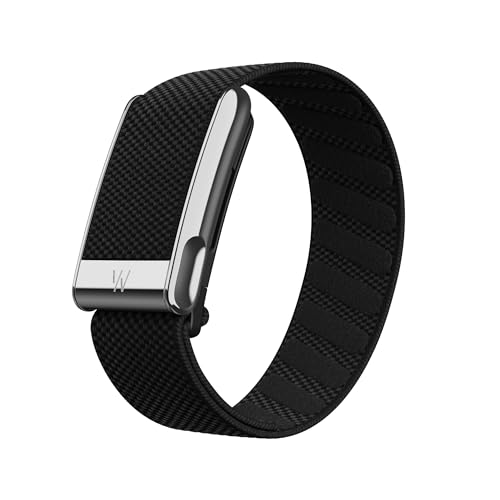
- On-demand ECG and irregular rhythm alerts
- 24/7 tracking for sleep, strain, recovery, HRV, and stress
- 14+ day battery life with screenless design
Best For: Athletes and wellness users who want continuous heart data and proactive health insights.
Best for On-the-Go EKG Checks
KardiaMobile 1-Lead EKG Monitor

- 30-second medical-grade single-lead EKG
- Detects AFib, tachycardia, bradycardia, and normal rhythm
- No subscription required for core use
Best For: People who want a compact, FDA-cleared personal heart monitor for quick rhythm checks.
Best for 24/7 Recovery Tracking

- Continuous heart-rate and stress monitoring
- 14+ day battery life with screenless design
- 12-month membership and waterproof power pack included
Best For: Athletes and data-focused users who want continuous recovery and heart-rate insights without a smartwatch screen.
Best for 24/7 Health Tracking

- Continuous heart rate, SpO2, blood pressure, and sleep tracking
- 5ATM waterproof with up to 15-day battery life
- Includes sports modes, steps, and smart notifications
Best For: People who want an affordable all-in-one health tracker for daily monitoring and fitness basics.
Best for ECG Detail
KardiaMobile 6L Max EKG Monitor

- 6-lead ECG for more detailed heart data
- 30-second readings with smartphone/tablet support
- Includes 1-year KardiaCare and unlimited recordings
Best For: People who want a portable, app-connected ECG monitor with more detailed readings.
Best for Multi-Device Training
COROS Heart Rate Monitor Armband

- Comfortable armband design is easier to wear than a chest strap
- Pairs with up to three devices at once over Bluetooth
- 38-hour battery life with automatic wear detection
Best For: Athletes who want a comfortable armband monitor for workouts across multiple devices.
Best for Everyday Health Tracking
MorePro Fitness Tracker with Heart Rate & BP
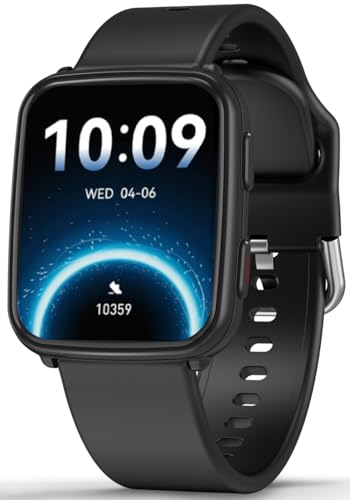
- 24/7 heart rate and blood pressure monitoring
- 120+ sport modes with sleep and activity tracking
- IP68 waterproof with notifications and daily tools
Best For: People who want a versatile, budget-friendly tracker for daily health and fitness monitoring.
Best for All-Day Health Tracking
Smart Bracelet with 24/7 Heart Monitoring

- 24/7 heart rate, blood pressure, HRV, stress, and sleep tracking
- 170+ sports modes for fitness and activity monitoring
- Includes two bands and app support for easy daily use
Best For: People who want broad wellness tracking in a lightweight bracelet they can wear all day.
Best for Chest-Level Tracking – Ultra-Thin Chest-Worn Wellness Patch
If you want wearable heart monitoring devices that capture signals closer to the chest instead of the wrist, this ultra-thin patch is built for more direct body-signal tracking. It focuses on practical day-to-day monitoring with heart rate, respiratory rate, skin temperature, and live waveform visibility in the app, making it useful for users who want a simple, app-connected tracker without a subscription.
Best For: People who want a lightweight chest-worn monitor for more direct heart and breathing tracking during daily wear, rest, or sleep.
Pros:
- Chest-worn design supports closer signal capture than typical wrist wearables
- Tracks heart rate, respiratory rate, skin temperature, and live waveform data
- Continuous monitoring plus 30-second on-demand recordings adds flexibility
- No monthly subscription required for core app-connected tracking
Cons:
- Adhesive patch format may not suit users who prefer a watch-style device
- Designed for wellness tracking rather than advanced medical-grade diagnostics
- Best experience depends on comfortable skin contact during wear
Among wearable heart monitoring devices, this patch stands out for its chest placement and lightweight design, giving it an edge for users who want continuous, low-profile tracking without extra subscription costs. It’s a sensible pick if signal proximity and simple app access matter more than smartwatch features.
Best for Advanced Heart Monitoring – WHOOP 5.0/MG Activity Tracker
WHOOP 5.0/MG stands out among wearable heart monitoring devices if you want a screenless tracker that leans hard into continuous health data instead of notifications and app clutter. With 24/7 heart-rate tracking, on-demand ECG, irregular rhythm alerts, and long battery life, it’s built for people who want deeper insights into heart health, recovery, and training.
Best For: Athletes and health-focused users who want around-the-clock heart monitoring, recovery insights, and proactive cardiovascular tools.
Pros:
- On-demand ECG and irregular rhythm alerts add useful heart-health features
- Tracks sleep, strain, recovery, HRV, VO2 max, and stress continuously
- 14+ day battery life with a screenless, distraction-free design
- Includes personalized coaching plus menstrual cycle and blood pressure insights
Cons:
- Requires an ongoing membership, not just a one-time device purchase
- No display on the band, so you must use the app for all details
- Advanced heart features may be more than casual users need
If you’re comparing wearable heart monitoring devices for serious training or long-term wellness tracking, WHOOP is one of the most feature-rich options thanks to its continuous data collection and health-focused coaching. It makes the most sense for buyers who value insight over convenience extras like a screen.
Best for On-the-Go EKG Checks – KardiaMobile 1-Lead EKG Monitor
If you want one of the most practical wearable heart monitoring devices for quick, at-home spot checks, KardiaMobile delivers a medical-grade 30-second EKG in a pocket-sized format. It pairs with your smartphone or tablet, making it easy to capture rhythm data anywhere without a subscription.
Best For: People who want a compact, FDA-cleared personal heart monitor for fast rhythm checks and easy doctor sharing.
Pros:
- 30-second single-lead EKG results from a tiny, portable device
- Detects normal sinus rhythm, AFib, tachycardia, and bradycardia
- No required subscription to use the core monitoring features
- Easy to email EKG readings to a doctor or caregiver
Cons:
- Not a full replacement for regular medical checkups or emergency care
- Does not check for heart attack
- Not tested or recommended for pacemakers and ICDs
KardiaMobile stands out among wearable heart monitoring devices for buyers who value speed, portability, and straightforward results over all-day tracking. It is a smart pick if you mainly want a reliable personal EKG for occasional monitoring and sharing with a clinician.
Best for 24/7 Recovery Tracking – WHOOP 5.0/MG Health Tracker
WHOOP 5.0 is a strong fit if you want wearable heart monitoring devices that go beyond basic step counting and focus on around-the-clock recovery, strain, sleep, and stress insights. With a screenless design, long battery life, and a 12-month membership included, it’s aimed at people who want actionable coaching instead of a traditional smartwatch experience.
Best For: Athletes and data-driven users who want continuous heart-rate tracking, recovery guidance, and long-wear comfort without a screen.
Pros:
- Tracks heart rate every second with sleep, strain, recovery, VO2 max, and stress insights
- Screenless, distraction-free design with 14+ day battery life for uninterrupted wear
- Includes a 12-month membership, SuperKnit band, and waterproof wireless power pack
- Personalized coaching and habit tracking help connect daily routines to recovery
Cons:
- Requires a paid membership, so the ongoing cost is higher than basic fitness trackers
- No display or smartwatch-style notifications for users who want on-wrist interaction
- Most value comes from using the app and coaching, not standalone hardware
For buyers comparing wearable heart monitoring devices, WHOOP stands out as a performance and recovery system rather than a general-purpose tracker. It makes the most sense if you care more about personalized health analytics and long-term habit feedback than about having a screen on your wrist.
Best for At-Home ECG Tracking – EMAY Portable ECG Monitor
If you want one of the more practical wearable heart monitoring devices for home use, this EMAY portable ECG monitor focuses on simple rhythm checks, heart-rate display, and easy data review through phone or PC software. It is a good fit for buyers who want a compact OTC option they can keep on hand for routine tracking.
Best For: Home users who want an affordable portable ECG monitor for occasional heart-rate and rhythm recording.
Pros:
- Records and stores Lead I ECG signals for at-home monitoring
- Connects to smartphones via Bluetooth and PCs via USB
- Rechargeable battery makes it easy to use without constant charging
- Software includes case review, measurement, and upload tools
Cons:
- Not intended to replace a hospital diagnostic ECG device
- Implanted pacemaker users are advised not to use it
- Limited to Lead I ECG recording rather than multi-lead clinical monitoring
As wearable heart monitoring devices go, this model stands out more for straightforward ECG capture than for advanced fitness features, making it a sensible pick if your priority is at-home recordkeeping and easy sharing with software.
Best for 24/7 Health Tracking – Amzhero Fitness Tracker
If you want one of the more versatile wearable heart monitoring devices for everyday use, the Amzhero Fitness Tracker packs continuous heart rate, blood oxygen, blood pressure, stress, and sleep tracking into a lightweight wristband. It also adds sports modes, step counting, and smart notifications, making it a practical pick for people who want a simple all-in-one health companion.
Best For: Shoppers who want continuous health metrics, basic fitness tracking, and waterproof wearability without moving up to a pricier smartwatch.
Pros:
- Tracks heart rate, SpO2, blood pressure, stress, and sleep in one device
- Supports multiple sports modes plus daily steps, distance, and calorie tracking
- 5ATM waterproof rating and up to 15-day battery life
- Includes notifications, weather, and music controls for everyday convenience
Cons:
- Health readings are useful for trends, but not a medical-grade replacement
- Interface and app features are simpler than higher-end smartwatches
- Some buyers may prefer a larger display for easier at-a-glance viewing
As a value-minded option among wearable heart monitoring devices, the Amzhero stands out for packing a lot of health data into an affordable, water-resistant tracker. It makes the most sense if your priority is everyday monitoring and fitness basics rather than advanced smartwatch features.
Best for ECG Detail – KardiaMobile 6L Max EKG Monitor
If you want one of the most information-rich wearable heart monitoring devices you can use at home, the KardiaMobile 6L Max is designed for fast, medical-grade ECG readings from your smartphone or tablet. It captures more heart data than basic single-lead monitors and pairs that with unlimited recordings through the included KardiaCare membership.
Best For: Buyers who want a portable FDA-cleared ECG monitor with more detailed readings and app-based tracking.
Pros:
- 6-lead ECG format provides more detailed heart rhythm insights than basic one-lead devices
- Records in about 30 seconds and works with smartphones and tablets
- Includes a one-year KardiaCare membership plus unlimited recordings
- FDA-cleared and built for easy at-home use
Cons:
- Requires a compatible smartphone or tablet
- Not a continuous wearable tracker for all-day monitoring
- Advanced features depend on the app and membership ecosystem
For shoppers comparing wearable heart monitoring devices, this model stands out for ECG depth rather than passive fitness tracking. It is a strong pick if you want quick, repeatable readings and more clinical-style data without moving to a bulky medical setup.
Best for Multi-Device Training – COROS Heart Rate Monitor Armband
If you want one of the more practical wearable heart monitoring devices for workouts, the COROS Heart Rate Monitor focuses on comfort, fast pairing, and reliable workout tracking. Its armband design is easier to wear than a chest strap, and the Bluetooth-only connection supports up to three devices at once for flexible training setups.
Best For: Athletes who want a comfortable armband heart-rate monitor that can sync with multiple workout devices at the same time.
Pros:
- Soft, breathable armband is more comfortable than many chest straps
- Can connect to up to three devices simultaneously via Bluetooth
- Advanced sensor and wear detection help deliver consistent workout data
- Long battery life with up to 38 hours of full operation
Cons:
- Bluetooth only, so it is not compatible with ANT+
- Designed for sports and activity tracking, not daily all-day monitoring
Overall, this COROS option is a strong pick if you want wearable heart monitoring devices that prioritize comfort and simple multi-device pairing. It is especially appealing for runners, cyclists, and indoor training users who want dependable workout heart-rate data without the bulk of a chest strap.
Best for Everyday Health Tracking – MorePro Fitness Tracker with Heart Rate & BP
If you want one of the more practical wearable heart monitoring devices for daily use, the MorePro Fitness Tracker covers the basics well: 24/7 heart rate and blood pressure tracking, on-demand blood oxygen checks, and sleep analysis. It also adds 120+ sport modes, message notifications, and IP68 water resistance, making it a versatile pick for people who want health data and everyday smartwatch features in one device.
Best For: Buyers who want a feature-packed, affordable fitness tracker for everyday heart-rate monitoring, sleep tracking, and activity logging.
Pros:
- 24/7 heart rate and blood pressure monitoring with on-demand SpO2 checks
- Tracks sleep, steps, calories, distance, and 120+ workout modes
- IP68 waterproof design plus notifications, weather, music, and camera controls
Cons:
- Blood pressure readings are helpful for trends, not medical diagnosis
- Not a full-featured smartwatch for advanced app ecosystems
For shoppers comparing wearable heart monitoring devices, this MorePro model stands out as a balanced all-rounder: it emphasizes health tracking, adds useful daily tools, and keeps charging needs low. It’s a sensible choice if you want broad fitness coverage without moving into a higher price tier.
Best for All-Day Health Tracking – Smart Bracelet with 24/7 Heart Monitoring
If you want one of the more feature-packed wearable heart monitoring devices in a compact wristband design, this smart bracelet covers the basics and then some. It combines continuous heart rate tracking with blood pressure, HRV, stress, sleep, and 170+ sports modes, making it a practical pick for everyday wellness monitoring.
Best For: Budget-conscious shoppers who want broad health-tracking features, all-day wear, and a simple app-based setup without moving to a full smartwatch.
Pros:
- 24/7 heart rate monitoring plus blood pressure, HRV, stress, and sleep tracking
- 170+ sports modes for general fitness and activity logging
- Includes two bands and a companion app for easier setup and use
- Lightweight bracelet format is easier to wear all day than bulkier watches
Cons:
- Blood pressure readings on wrist-based devices should be treated as trend data, not medical-grade results
- Limited product details may make advanced buyers hesitant
- Feature depth can be more than casual users need
Overall, this is a flexible option if you want wearable heart monitoring devices that emphasize everyday health insights over premium smartwatch extras. It stands out most for buyers who want a broad tracking feature set in a simple bracelet form factor.
How We Picked These Wearable Heart Monitoring Devices
We prioritized devices that deliver practical heart data, easy wearability, and clear value for different use cases. Selection focused on accuracy claims, sensor breadth, comfort, battery life, app quality, and whether a device is better suited for fitness tracking or spot-check ECG monitoring.
Because Wearable Heart Monitoring Devices vary widely, we included both continuous trackers and medical-style monitors so buyers can match the device to their goals instead of overpaying for features they won’t use.
Quick Comparison: Which Type Fits Your Needs?
If you want all-day wellness trends, a wrist-based tracker or smart bracelet is usually the simplest choice. If you need structured training data, a chest-worn sensor or performance-focused wearable may be better. If your main concern is rhythm checks, a handheld ECG monitor is the most direct option.
In general, choose wrist wearables for convenience, chest or strap-style sensors for stronger workout accuracy, and ECG devices for occasional heart rhythm assessment.
Key Buying Factors for Wearable Heart Monitoring Devices
Tracking Method
Optical sensors can estimate heart rate continuously, while ECG-based devices capture electrical heart activity for more detailed rhythm checks. If arrhythmia detection matters, ECG is the better category.
Comfort and Wear Time
A device only helps if you’ll actually wear it. Lightweight bands, soft straps, and slim patches are best for 24/7 use, while handheld monitors are more occasional by design.
Data You Need Most
Some buyers only want heart rate and sleep trends. Others need blood oxygen, blood pressure estimates, HRV, or respiratory tracking. More metrics are not always better unless you plan to use them consistently.
Battery Life and App Experience
Long battery life reduces missed data, especially for sleep and recovery tracking. A clear app with readable trends, alerts, and export options can be just as important as the sensor itself.
Medical Vs. Fitness Use
FDA-cleared ECG products may be appropriate for people who want heart rhythm documentation, but they are not a replacement for professional diagnosis. Fitness wearables are better for habits, recovery, and training load.
Who Should Buy Which Wearable Heart Monitoring Devices?
A fitness-focused user should choose a comfortable wrist wearable or training monitor. Someone concerned about irregular heart rhythms should lean toward a medical-grade ECG device. If you want the least intrusive option for day and night wear, a slim patch or lightweight band is often the best fit.
For most shoppers, the right choice comes down to whether you need continuous wellness tracking or occasional heart checks. Start with your primary use case, then compare comfort, accuracy, and app support before deciding.