Finding the right bed safety products for epilepsy can make nights safer and less stressful for both the person sleeping and the caregiver. The best options help reduce fall risk, support quick response, and add protection without creating unnecessary discomfort.
Below, we focus on practical choices for different needs, from alert systems and bed rails to padded barriers and restraint-style supports. The goal is to help you match the product to the level of supervision, mobility, and sleep environment involved.
Best 10 Bed Safety Products for Epilepsy Picks for 2026
Best Early-Alert Option
Lunderg Wireless Early Alert Bed Alarm

- Wireless pager sends alerts before the user gets up
- No in-room alarm helps avoid startling the sleeper
- Easy setup with no Wi-Fi, app, or tools required
Best For: Caregivers wanting a calm, wireless early-warning bed alarm for nighttime fall-risk monitoring.
Best for Travel Setup
Single Inflatable Bed Rail with Built-In Pump

- Built-in pump for fast, tool-free inflation
- Compact, foldable design for travel and storage
- Fits twin to king mattresses for flexible use
Best For: Families who need a soft, portable bedside barrier for travel or temporary use.
Best for Wireless Alerts
Smart Caregiver Bed Exit Alarm with Pager

- Wireless sound or vibration pager for quick notifications.
- Large weight-sensing bed pad helps reduce missed exits.
- Expandable system can monitor beds, chairs, and doors.
Best For: Caregivers wanting a simple wireless bed-exit alert for nighttime fall prevention.
Best ASTM-Tested Rail
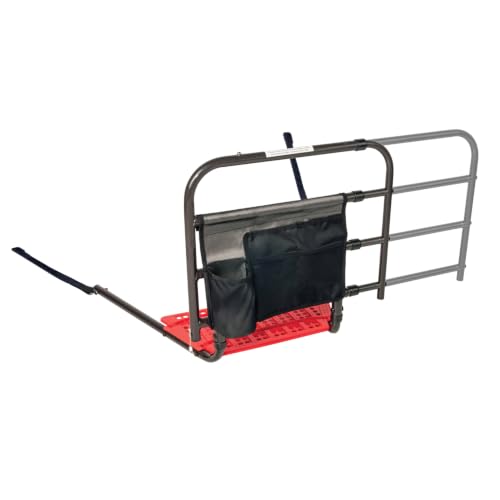
- ASTM F3186-17 safety-certified design
- Adjusts from 26 to 42 inches for fall protection
- Folds down for easier caregiving and cleaning
Best For: Adults who need a certified bedside support rail with caregiver-friendly access.
Best for Institutional Beds
Halo Safety Bed Ring One-Sided with Pad Protector

- Helps prevent lateral mattress movement
- Includes removable pad protector
- Requires institutional metal-frame beds
Best For: Hospitals, care facilities, and other institutional beds needing a one-sided safety ring.
Best for Strong Support
ASTM Approved Adjustable Bed Cane
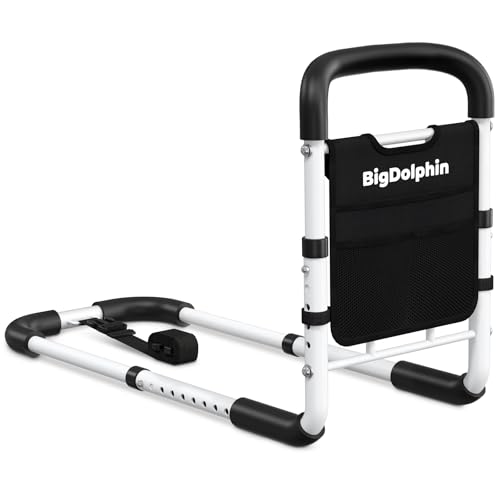
- ASTM tested with non-slip foam and safety strap
- Supports up to 350 lbs for steadier transfers
- Tool-free adjustability fits many standard beds
Best For: Adults who need a sturdy, adjustable bedside support rail with broad mattress compatibility.
Best for Adjustable Bed & Wheelchair Use
Adjustable Bed Restraint Strap

- 201-inch adjustable strap fits beds and wheelchairs
- Durable, easy-to-clean Oxford ultrasonic cotton fabric
- Simple wrap-and-fasten setup for care settings
Best For: Adults and caregivers who need an adjustable restraint for beds or wheelchairs to help with positioning and fall prevention.
Best for Heavy-Duty Support
KingPavonini Adjustable Bed Rail

- 380 lb capacity with ASTM-tested construction
- Fits Twin through King beds
- Tool-free setup with padded non-slip handle
Best For: Seniors and caregivers who want sturdy bedside assistance on standard beds.
Best for Bed Restraint Support
Vest Restraint Suit for Bed/Wheelchair

- Vest-and-waist design for added stability
- Back button closure helps prevent self-removal
- Breathable cotton helps with longer wear
Best For: Adults with dementia or limited mobility who need a more secure bed or wheelchair restraint.
Best for Stable Support
ASTM Approved Adjustable Bed Rail for Seniors
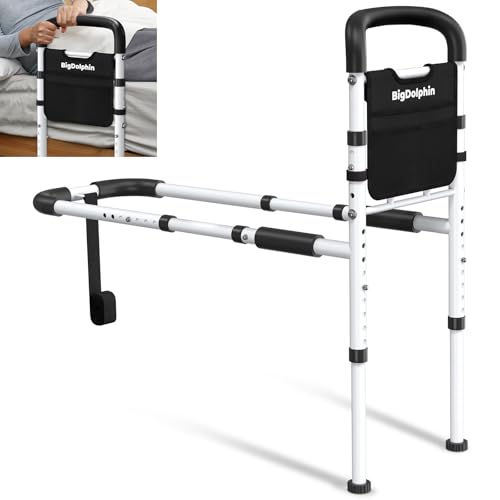
- ASTM-compliant steel frame supports up to 350 lbs
- Non-slip ergonomic handle reduces wrist strain
- Tool-free, adjustable design fits many standard beds
Best For: Seniors or caregivers who want a sturdy bedside assist rail for safer bed transfers.
Best Early-Alert Option – Lunderg Wireless Early Alert Bed Alarm
If you’re comparing bed safety products for epilepsy, this Lunderg wireless bed alarm is designed to notify a caregiver before a person gets fully out of bed. The wireless pager keeps the alert with you instead of sounding an in-room alarm, which can be less startling for the sleeper and easier to use in a home care setup.
Best For: Caregivers who want an early-warning, wireless bed alarm with no bedside siren, especially for dementia care or other nighttime fall-risk situations.
Pros:
- Wireless pager alerts you before the user fully leaves the bed
- No in-room alarm noise, which may feel calmer for the sleeper
- Simple setup with no Wi-Fi, app, or tools required
- Portable pager offers volume control and vibration-only mode
Cons:
- Designed for alerting caregivers, not preventing movement itself
- May not be ideal if you need multi-bed monitoring in one system
- Pressure-pad systems can still require occasional repositioning
This is a practical pick if you want a low-fuss alarm that prioritizes caregiver notification and dignity. For shoppers comparing bed safety products for epilepsy, the value here is early wireless alerting rather than a loud bedside alarm.
Best for Travel Setup – Single Inflatable Bed Rail with Built-In Pump
If you want a simple, portable option in bed safety products for epilepsy, this inflatable bed rail is built around fast setup and easy transport. It’s designed to add a soft barrier at the mattress edge for hotel stays, visiting family, or home use, with a built-in pump and foldable design that make it practical when you need something ready quickly.
Best For: Travelers, guests, and families who want a soft, temporary bedside barrier that packs easily.
Pros:
- Built-in pump means no extra tools or accessories
- Deflates small for carry-on, diaper bag, or trunk storage
- Fits twin through king mattresses for flexible use
- Soft PVC velvet surface and foldable design make it comfortable and easy to store
Cons:
- Inflatable design may not feel as rigid as a fixed bed rail
- Requires proper sheet tucking for the intended hold
- More suited to temporary use than a permanent bedroom setup
For bed safety products for epilepsy, the main appeal here is portability and quick deployment, especially if you need a barrier for travel or short stays. It’s a practical pick when convenience matters more than a permanent, heavy-duty installation.
Best for Wireless Alerts – Smart Caregiver Bed Exit Alarm with Pager
If you need a practical layer of monitoring among bed safety products for epilepsy, this Smart Caregiver bed exit alarm is built to notify a caregiver as soon as pressure is removed from the mattress pad. It’s designed for home use when you want earlier awareness that someone is getting up, without relying on a camera or constant bedside checks.
Best For: Caregivers who want a wireless bed-exit alert system with a pager for nighttime monitoring and fall prevention.
Pros:
- Wireless pager can alert by sound or vibration.
- Soft 10" x 30" sensor pad covers a large contact area.
- Can expand to monitor multiple Smart Caregiver sensors.
- U.S.-based company with customer support.
Cons:
- It alerts when the user leaves bed, not during a seizure event.
- Works best as part of a broader safety plan rather than a standalone solution.
For families comparing bed safety products for epilepsy, this is a straightforward alert device that emphasizes fast notification and simple setup over advanced medical detection. It’s a sensible choice if your priority is knowing when someone has gotten out of bed and may need help quickly.
Best ASTM-Tested Rail – Stander EZ Adjust Bed Rail
If you’re comparing bed safety products for epilepsy, this bed rail stands out for its ASTM F3186-17 safety certification and adjustable length, which can help reduce fall risk while still giving the user a steady handhold for getting in and out of bed.
Best For: Adults who need a reliable bedside support rail with certified safety testing, especially caregivers and families looking for added peace of mind.
Pros:
- ASTM F3186-17 certified for adult portable bed rail safety
- Adjusts from 26 to 42 inches and supports up to 300 lbs
- Folds down 180 degrees for easier caregiving and bed making
- Organizer pouch keeps essentials within reach
Cons:
- Not compatible with adjustable beds
- Not ideal for extra-soft mattresses
- Must be secured with the strap, so setup takes some attention
As a practical bedside rail, this model is a strong fit when bed safety products for epilepsy need to balance fall prevention, support, and caregiver convenience. Just make sure the bed and mattress match the compatibility requirements before buying.
Best for Institutional Beds – Halo Safety Bed Ring One-Sided with Pad Protector
Halo Safety Bed Ring One Sided for Institutional/Hospital Beds with Pad Protector
Check Price On AmazonIf you’re comparing bed safety products for epilepsy in a hospital, facility, or other institutional setting, this Halo Safety Bed Ring is designed for lateral mattress control rather than a full home-bed enclosure. It mounts to a metal frame and includes a removable pad protector to help reduce bruising risk.
Best For: Institutional or hospital beds where a single-sided mobility device is needed to help limit side-to-side mattress movement.
Pros:
- Patented design helps prevent lateral mattress movement.
- Single-sided format can fit targeted bed setups.
- Includes a removable pad protector for added cushioning.
- Made for institutional and hospital beds with metal frames.
Cons:
- Not compatible with homecare beds.
- Requires a metal frame for proper mounting.
- Not a full enclosure or high-containment safety bed.
For buyers evaluating bed safety products for epilepsy, this is a specialized option for facility use rather than a universal home solution. Its value is in stabilizing the mattress and adding a protective side ring in the right bed environment.
Best for Strong Support – ASTM Approved Adjustable Bed Cane
If you’re comparing bed safety products for epilepsy, this adjustable bed rail stands out for its sturdy frame, non-slip foam wrap, and anchoring strap that help keep the rail steady during nightly use. It’s designed more as a secure bedside assist than a full enclosure, so it can be a practical pick for adults who need dependable help getting in and out of bed.
Best For: Seniors, post-surgery users, and caregivers who want a stable, tool-free bed rail with strong weight capacity and broad mattress compatibility.
Pros:
- ASTM tested for structural and performance reliability.
- Supports up to 350 lbs with reinforcement bars for added steadiness.
- Adjustable height and width fit many standard bed sizes.
- Curved, foam-padded handle helps reduce wrist strain.
Cons:
- Not compatible with adjustable beds.
- Does not create a closed barrier around the bed.
- May be more support-oriented than some buyers need for simple fall prevention.
For shoppers narrowing down bed safety products for epilepsy, this rail is a solid support-first option when the main goal is bedside stability, easier transfers, and a more secure feel without a complicated setup. It’s less about containment and more about dependable assistance at the edge of the bed.
Best for Adjustable Bed & Wheelchair Use – Adjustable Bed Restraint Strap
This adjustable restraint strap is a practical option for shoppers comparing bed safety products for epilepsy, especially when the goal is to help reduce rolling, shifting, or unsafe movement in a bed or wheelchair. It’s designed for multi-use support, with a long adjustable band and a simple wrap-and-secure setup.
Best For: Adults, elderly users, and caregivers who need an adjustable restraint for beds or wheelchairs to help support fall prevention and positioning.
Pros:
- Long 201-inch adjustable strap fits a wide range of beds and wheelchairs
- Oxford ultrasonic cotton fabric is durable and easy to clean
- Works across multiple care settings, including hospital and nursing beds
- Simple wrap-and-fasten design makes setup straightforward
Cons:
- Primarily a restraint device, so it may feel too restrictive for some users
- Not a padded protective system for seizure impact absorption
- May require careful fitting to avoid discomfort during longer use
For buyers comparing bed safety products for epilepsy, this strap is more about containment and positioning than active protection, so it works best when caregiver oversight and proper fit are priorities. Its adjustable design and broad compatibility make it a flexible, utilitarian choice for home or facility use.
Best for Heavy-Duty Support – KingPavonini Adjustable Bed Rail
If you need bed safety products for epilepsy that also prioritize stability for everyday mobility support, this ASTM-approved bed rail is a practical pick. It’s designed for users who want a secure handhold for getting in and out of bed, with a reinforced frame, adjustable sizing, and tool-free setup.
Best For: Seniors, post-surgery users, and caregivers looking for a sturdy, adjustable bedside support rail for standard beds.
Pros:
- Supports up to 380 lbs and is tested to ASTM safety standards
- Adjusts to fit Twin through King beds for broader compatibility
- Non-slip padded handle and storage pocket add everyday convenience
- Tool-free installation keeps setup simple
Cons:
- Not compatible with adjustable beds
- May be more rail than some buyers need for basic assistance
For shoppers comparing bed safety products for epilepsy, this model stands out more for bedside support and secure exit assistance than for specialized anti-fall features. Still, its strong frame, adjustable fit, and easy install make it a sensible option when stability is the top priority.
Best for Bed Restraint Support – Vest Restraint Suit for Bed/Wheelchair
If you need a more secure restraint option among bed safety products for epilepsy or for seniors at high risk of nighttime wandering or falls, this vest-style bed and wheelchair restraint is built for steady support. It uses a back-button closure, a fixed waist strap, and breathable cotton fabric to balance safety with long-wear comfort.
Best For: Caregivers looking for a sturdy vest restraint for adults with dementia, limited mobility, or fall-risk concerns in bed or a wheelchair.
Pros:
- Vest-and-waist design adds more stability than a simple strap alone
- Back button closure helps prevent easy self-removal
- Breathable double-layer cotton is better for extended wear
- Works for both bed use and wheelchair seating
Cons:
- Restraint-style design may feel too restrictive for some users
- Not a medical alarm or monitoring device
- Fit may require careful sizing for comfort and effectiveness
This is a practical pick when the priority is physical containment and steadier positioning, especially in care settings where falls are the main concern. As with other bed safety products for epilepsy, it should be chosen only with careful attention to supervision, comfort, and the user’s care plan.
Best for Stable Support – ASTM Approved Adjustable Bed Rail for Seniors
If you’re comparing bed safety products for epilepsy, this bed rail is a practical choice for added support when getting in and out of bed. Its ASTM-compliant steel frame, 350 lb capacity, and tool-free setup make it appealing for caregivers and older adults who want a sturdy, easy-to-install bedside assist.
Best For: Seniors, recovery users, or anyone needing a stable bedside rail with a non-slip grip and simple installation.
Pros:
- ASTM tested and built to support up to 350 lbs
- Ergonomic 30° handle with cushioned, non-slip foam grip
- Height and horizontal adjustment helps fit many bed sizes
- Tool-free installation plus a handy storage pocket
Cons:
- Not compatible with adjustable beds
- Primarily supports bed entry and exit, not full-bed enclosure
- May be less useful for buyers needing a larger seizure-safe sleep setup
Overall, this is a solid support rail for people who want a stable handhold and easy setup, but it should be paired thoughtfully with other bed safety products for epilepsy if a broader nighttime safety plan is needed.
How We Picked These Bed Safety Products for Epilepsy
We prioritized safety function first: alert speed, fall-prevention support, secure fit, ease of use, and suitability for home or care settings. We also looked for products that offer clearer nighttime protection, easier caregiver response, and less disruptive setups for sleep.
Because epilepsy care needs vary, the list includes monitoring tools, physical barriers, and specialized restraint-style options. That mix helps shoppers choose based on risk level rather than forcing one solution for every situation.
Quick Comparison: Which Type Fits Which Need?
For caregiver notification, bed exit alarms are the most useful. For reducing rolling or accidental falls, bed rails and bed canes are often a better fit. For travel or temporary setups, inflatable bumpers can add flexible protection. For institutional or higher-supervision use, more secure restraint products may be considered where appropriate and permitted.
Monitoring Vs. Physical Protection
Monitoring alerts caregivers quickly, but they do not stop movement. Physical supports create a barrier or assist with repositioning, but they do not replace supervision. Many households need a combination of both when choosing Bed Safety Products for Epilepsy.
Key Buying Factors for Bed Safety Products for Epilepsy
Check the sleeper’s age, body size, mobility, seizure pattern, and bed type before buying. A product that works well on a standard home bed may not fit an institutional frame, travel setup, or adjustable mattress system.
Look closely at installation requirements, weight limits, compatibility with mattress thickness, and whether the product creates any entrapment or comfort concerns. For alarms, consider sensitivity settings, pager range, and whether the alert is loud enough for the caregiver but not disturbing to everyone else.
For rails and bumpers, pay attention to height, padding, stability, and how easy it is to get in and out of bed safely. For restraint-style products, use extra caution: these should only be used when medically appropriate, lawful, and under proper supervision or professional guidance.
Who Should Buy Which Bed Safety Products for Epilepsy?
If the main concern is nighttime wandering or quick caregiver response, choose an alert system first. If the main concern is rolling out of bed, a rail or padded barrier may be more appropriate. If you need portable protection for travel, a soft bumper can be the simplest solution.
Families managing epilepsy at home often do best with layered protection: an alert device for response plus a physical support for fall reduction. In higher-risk situations, consult a clinician or care specialist to decide which Bed Safety Products for Epilepsy make the most sense for the person’s needs and daily routine.