Finding the right bedroom monitoring setup can make nighttime care safer, calmer, and less disruptive for everyone involved.
Below, we break down 10 of the best options for alerting caregivers to movement, bed exits, wandering, and room activity in 2026.
Best 10 Bedroom Monitoring Devices for Dementia Patients Picks for 2026
Quiet-Feature Senior Monitor
Elderly Monitor with Camera and Audio

- No Wi-Fi private connection
- SOS button with distinct alerts
- Medication, temp, and night-vision support
Best For: Private bedside monitoring with reminders and SOS alerts
Silent Motion Alert System
Bed Sensor Alarm and Fall Prevention
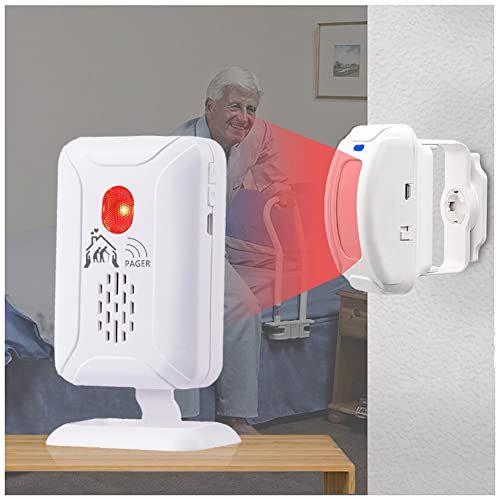
- Alerts caregivers when bed exit starts
- Alarm does not sound in patient room
- Up to 918 ft open-area range
Best For: Quiet bed-exit and wandering alerts
All-in-One Safety Monitor
Elderly Monitor with Camera and Audio
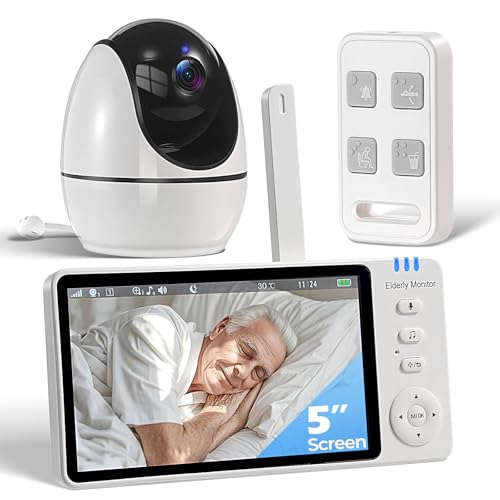
- 5-inch screen with 4X zoom PTZ
- SOS, help, toilet, fall, and water alerts
- Medication reminders and temperature monitoring
Best For: Full-featured indoor dementia monitoring without Wi-Fi
Simple Wandering Alert
Smart Caregiver Wireless Motion Sensor Alarm System

- Bedside or doorway movement alerts
- Pager keeps alarm noise away from room
- Battery-powered with mounting bracket
Best For: Basic motion alerts for bed or door monitoring
Motion-Sensor Bed Exit Alert
Wireless Pager with Silent/Vibrate Modes

- Detects feet touching the ground before full standing
- 5 volume levels, 18 ringtones, and vibration-only mode
- 360° sensor rotation helps reduce false alerts
Best For: Caregivers who want a portable, simple bed-exit alert
Dual-Zone Motion Alert Set
Plug-In Receiver with Flashing Light

- Includes 2 motion sensors for flexible placement
- Plug-in receiver adds chime and flashing-light alerts
- No WiFi, app, or wearable required
Best For: Monitoring one main bedroom or doorway area
Rechargeable Bed Exit Alarm
Motion Sensor with 5 Reminder Modes

- Infrared motion detection aims to avoid bed-movement false alarms
- Built-in rechargeable batteries reduce replacements
- 5 reminder modes, 36 tones, and 4 volume levels
Best For: Caregivers who want a rechargeable bedside alarm with customizable reminders
Discreet early-alert bed monitor
Lunderg Wireless Early-Alert Bed Alarm System

- Wireless pager alerts the caregiver, not the room.
- PreRise pad is designed to alert before full bed exit.
- No Wi-Fi, app, or tools required for setup.
Best For: Caregivers who want a quiet, portable early-warning bed alarm
Motion-based room alert
EverNary Wireless Caregiver Pager Sensor

- Motion-triggered alerts go to a plug-in receiver.
- LED flash plus 58 ringtones and 5 volume levels.
- Battery-powered sensor with optional USB cable support.
Best For: Room-entry or movement monitoring near bedrooms
Expandable bed-exit alarm
Smart Caregiver Wireless Bed Pad System

- Weight-sensing pad alerts when pressure is removed.
- Pager can sound or vibrate for caregiver notifications.
- Supports up to six compatible sensors for expanded coverage.
Best For: Caregivers who want a bed alarm that can grow into a full monitoring system
Quiet-Feature Senior Monitor – Elderly Monitor with Camera and Audio
If you want bedroom monitoring devices for dementia patients that focus on privacy and simple daily support, this no-WiFi camera monitor is built for practical home care. It combines two-way talk, an SOS call button, medication reminders, temperature alerts, and night vision in a portable system that works without internet service.
Best For: Caregivers who want a private, plug-and-play bedside monitor with reminders and call alerts.
Pros:
- No Wi-Fi needed, using a private 2.4GHz FHSS connection
- One-touch SOS, move, toilet, water, and help alert options
- Medication reminders, temperature alerts, and infrared night vision
- Two-way talk plus VOX mode to save battery during quiet periods
Cons:
- 2.8-inch screen is smaller than some larger-monitor alternatives
- Battery capacity is 2000mAh, so runtime will depend on usage settings
Overall, this is a strong fit if you prioritize secure monitoring, clear caregiver communication, and helpful routine reminders over app-based features. It covers the essentials well for dementia care without adding Wi-Fi complexity.
Silent Motion Alert System – Bed Sensor Alarm and Fall Prevention
For bedroom monitoring devices for dementia patients, this motion-based alarm is designed to alert caregivers when someone starts getting out of bed or leaves the room. Instead of sounding in the patient’s room, it sends the signal to a receiver within range, which can help reduce startle risk during nighttime wandering or bed exits.
Best For: Caregivers who need a quiet motion alert system for bed exit and wandering prevention.
Pros:
- Can be placed under the bed or at the door for movement monitoring
- Alarm stays out of the patient’s room to avoid startling them
- Up to 918 ft open-area transmission range
- Dual reminder output with LED light and sound
Cons:
- Requires setup and range testing before fixing the sensor in place
- Motion-based design may not suit users who prefer camera monitoring
This is a straightforward paging system for caregivers who mainly need movement alerts rather than video. It is especially useful when the goal is to know when a loved one is leaving the bed or room without disturbing them.
All-in-One Safety Monitor – Elderly Monitor with Camera and Audio
If you’re comparing bedroom monitoring devices for dementia patients, this all-in-one camera monitor stands out for combining communication, reminders, and room awareness in one package. It offers two-way audio, multiple call-button alerts, medication reminders, temperature monitoring, night vision, and a larger 5-inch screen for easier viewing.
Best For: Families who want a full-featured no-Wi-Fi monitor with a larger screen and emergency buttons.
Pros:
- Two-way audio, SOS, help, toilet, fall, and water buttons
- 5-inch PTZ screen with 355° pan, 90° tilt, and 4X zoom
- Medication reminders plus temperature monitoring and alerts
- 3500mAh battery supports longer use between charges
Cons:
- Uses a dedicated monitor system rather than a phone app
- More features may be more than some caregivers need for basic monitoring
For households that want a broad safety toolkit without relying on Wi-Fi, this model is especially practical. The combination of call buttons, night vision, and camera control makes it well suited to dementia care in the bedroom or other indoor spaces.
Simple Wandering Alert – Smart Caregiver Wireless Motion Sensor Alarm System
For bedroom monitoring devices for dementia patients, this wireless motion sensor system focuses on one job: alerting caregivers when movement is detected near the bed or doorway. It removes alarm noise from the bedside and sends notifications to a pager, making it a practical choice when you want movement awareness without a camera.
Best For: Caregivers who want a basic, battery-powered motion alert for bed or door monitoring.
Pros:
- Works as a bed or door movement alert system
- Caregiver pager keeps alarm noise away from the bedside
- Battery powered and includes pager plus motion sensor
- Optional adjustable mounting bracket for placement flexibility
Cons:
- Standalone system cannot be used with other Smart Caregiver products
- Maximum range is listed as 8 meters in the details
This is a no-frills solution for caregivers who want dependable motion alerts without extra features. It is best viewed as a focused wandering-prevention tool rather than a full monitoring platform.
Motion-Sensor Bed Exit Alert – Wireless Pager with Silent/Vibrate Modes
If you’re comparing bedroom monitoring devices for dementia patients, this CallToU bed alarm is built around a low-floor motion sensor that detects feet touching the ground before a person is fully standing. That makes it a practical option for caregivers who want an early bed-exit warning without needing to touch the person or rely on a wearable.
Best For: Caregivers who want a portable, simple bed-exit alert with silent or vibrate options.
Pros:
- Detects movement at the bedside before full standing, giving earlier notice of a possible exit.
- Receiver includes 5 volume levels, 18 ringtones, and vibration-only mode.
- Sensor rotates 360° to help reduce false alerts from bed movement or repositioning.
- Portable receiver and battery-powered sensor make it easy to move and set up.
Cons:
- Uses AAA batteries in the sensor, so long-term use still requires battery replacements.
- Designed for motion detection near the bed, not continuous room-wide monitoring.
- Detection depends on sensor placement and angle.
Overall, this is a straightforward bedside alert for families who want an early warning system without complicated setup. The silent and vibrate choices are especially useful when you need monitoring that won’t disturb sleep.
Dual-Zone Motion Alert Set – Plug-In Receiver with Flashing Light
For buyers looking at bedroom monitoring devices for dementia patients, this CallToU set focuses on simple motion alerts rather than wearables or app-based tracking. It includes two motion sensors and a plug-in receiver, so you can monitor a bedside area, doorway, hallway, or another key path where an older adult may wander.
Best For: Monitoring one main bedroom or doorway area with a plug-in receiver and two motion sensors.
Pros:
- Includes 2 sensors, which gives you flexibility for one bedside area and one nearby path.
- Plug-in receiver provides both chime and flashing-light alerts.
- No WiFi, app, wearable, or floor mat needed.
- 500-foot range gives flexibility for indoor placement in larger homes.
Cons:
- Best suited to one key monitoring area rather than whole-home coverage.
- Placement matters, and the notes advise avoiding curtains, fans, sunlight, pets, and busy walkways.
- Receiver must stay plugged into an outlet.
This is a practical pick if you want a basic, low-friction alert system that can cover both bedside and a nearby doorway. The flashing-light receiver also helps add a visual cue for caregivers who may not hear every chime.
Rechargeable Bed Exit Alarm – Motion Sensor with 5 Reminder Modes
This rechargeable option stands out among bedroom monitoring devices for dementia patients because it uses infrared motion detection instead of a pressure pad. The sensor is meant to catch a foot crossing the detection zone as a person gets up, which can help caregivers react quickly without dealing with a wearable or floor mat.
Best For: Caregivers who want a rechargeable bedside alarm with customizable reminder modes and light alerts.
Pros:
- Infrared motion detection is designed to avoid false alarms from turning over in bed.
- Factory paired for quick setup with a low-bed placement approach.
- Built-in rechargeable batteries reduce the need for frequent battery changes.
- Offers 5 reminder modes, 36 tones, and 4 volume levels.
Cons:
- The notes focus on bedside motion detection, so it’s not a broad room monitor.
- Best performance depends on placing the sensor correctly near the foot-fall area.
- App control is listed, but the supplied details center on switch-on setup rather than app-based use.
For families who want a rechargeable, more customizable bed-exit alert, this model offers a lot of flexibility in how it notifies you. It’s a sensible choice when you want motion-based monitoring and visual reminders in one unit.
Discreet early-alert bed monitor – Lunderg Wireless Early-Alert Bed Alarm System
If you need bedroom monitoring devices for dementia patients that alert you before a loved one actually gets out of bed, this Lunderg system is built for that job. The wireless setup sends alerts to a pager you carry, so there’s no loud in-room alarm and no need for Wi-Fi, apps, or tools.
Best For: Caregivers who want a discreet, wireless early-warning bed alarm with a pager they can keep on them.
Pros:
- Wireless alerts go to the included pager instead of sounding loudly in the room.
- Patented PreRise sensor placement is designed to notify you before the person is fully out of bed.
- Easy setup with no Wi-Fi, app, or tools required.
- Pager includes adjustable volume plus vibration-only mode, with up to 400 ft. range.
Cons:
- Requires placing the pad correctly for best early-alert performance.
- Battery-powered system means batteries will need eventual replacement.
- Only monitors the bed area, so it does not cover doorways or other spaces.
Overall, this is a practical fit if you want a simple bed-exit alert that protects dignity and reduces overnight disruption. The long-lasting sensor pad and included pager make it a focused option for dementia care at home.
Motion-based room alert – EverNary Wireless Caregiver Pager Sensor
For bedroom monitoring devices for dementia patients, this EverNary option works more like a motion-triggered alert than a bed pad. It uses a wireless motion sensor that sends a signal to the plug-in receiver when movement is detected, which can help you monitor activity in or near a room.
Best For: Caregivers who want a simple motion-based alert for room entry, exits, or general movement monitoring.
Pros:
- Wireless motion sensor sends alerts to a plug-in receiver.
- Visual LED alert can help in noisy rooms or for hearing-impaired users.
- Receiver offers 58 ringtones and 5 volume levels up to 110 dB.
- Easy to install, with battery power and optional USB cable support for the sensor.
Cons:
- Motion detection range is limited to the sensor’s coverage area.
- It does not use a bed pad, so it won’t specifically alert when someone rises from bed.
- Best results depend on testing placement before fixing the sensor.
This is a flexible choice if you need a basic room or doorway alert rather than a dedicated bed-exit system. Its adjustable alerts make it easier to tailor to different caregiving environments.
Expandable bed-exit alarm – Smart Caregiver Wireless Bed Pad System
If you’re comparing bedroom monitoring devices for dementia patients, this Smart Caregiver bed exit alarm is a straightforward wireless option for detecting when someone gets up. The 10″ x 30″ pressure pad sends an alert to the pager when weight is removed, and the pager can notify you by sound or vibration.
Best For: Caregivers who want a reliable bed-exit alarm with expandable monitoring for beds, chairs, and doorways.
Pros:
- Weight-sensing bed pad alerts you when pressure is removed.
- Pager offers both vibrate and sound alert modes.
- Supports up to six Smart Caregiver sensors for broader monitoring.
- Designed to reduce false alarms with a larger contact sensor area.
Cons:
- Still requires correct pad placement under the shoulders for best performance.
- Battery-powered components mean ongoing battery maintenance.
- Coverage is limited compared with systems that monitor multiple rooms automatically.
This system is a strong pick when you want a bed-focused alarm that can expand into a broader safety setup later. The combination of wireless alerts, vibration mode, and multi-sensor support makes it practical for home dementia care.
How We Picked These Bedroom Monitoring Devices for Dementia Patients
We focused on monitoring tools that help caregivers respond quickly to bed exits, wandering, and unexpected movement without making the room feel overly clinical. Priority went to reliability, alert flexibility, ease of setup, and features that support real-world nighttime care.
For Bedroom Monitoring Devices for Dementia Patients, the most useful options balance early alerts with simple operation. We also looked for choices that fit different care settings, from in-home family caregiving to more structured supervision.
Quick Comparison
In this roundup, camera-based monitors are best for visual checking and two-way communication, while bed alarms and motion sensors are better for discreet alerts tied to movement or exit events. Pager-style systems are especially helpful when a caregiver needs portable alerts, and wireless setups usually offer easier placement around doors and beds.
Key Buying Factors for Bedroom Monitoring Devices for Dementia Patients
Alert Type
Choose between audible alarms, vibration, silent pager alerts, or app-based notifications depending on how quickly you need to respond and whether you want to avoid disturbing the person sleeping.
Detection Method
Bed sensors, weight pads, motion detectors, and camera monitoring all solve different problems. Bed sensors are ideal for exit alerts, while motion detectors can catch wandering or doorway activity. Cameras work well when visual confirmation matters.
Range and Portability
If the caregiver may be in another room, on another floor, or moving around the house, check the wireless range and whether the receiver can travel with you.
Setup and Comfort
Bedroom Monitoring Devices for Dementia Patients should be easy to install and unobtrusive. Look for low-profile sensors, simple pairing, and controls that caregivers can manage quickly during the night.
Power and Reliability
Battery life, plug-in options, and backup power matter because overnight monitoring needs to stay dependable. Rechargeable or low-maintenance designs can reduce routine hassle.
Who Should Buy Which Bedroom Monitoring Devices for Dementia Patients?
Choose a camera monitor if you want visual confirmation, two-way talk, or a broader view of bedroom activity. Pick a bed exit alarm if your main concern is someone getting up unexpectedly. Motion sensor systems are a strong fit for wandering or doorway alerts, while pager-based setups are best for caregivers who need discreet notifications away from the room. If you want the simplest path, start with the alert type that matches your biggest nighttime risk, then narrow by range, comfort, and ease of use.