Choosing the right bedroom monitoring devices for seizure safety can make nights calmer for both caregivers and loved ones. The best systems help you spot movement, bed exits, or unusual activity fast enough to respond.
Below, we focus on practical features that matter most: alert speed, alarm style, placement flexibility, and whether the system works best in-room or remotely.
Best 10 Bedroom Monitoring Devices for Seizure Safety Picks for 2026
WiFi Bed Exit Alert
WiFi Smart Bed Sensor Alarm and Fall Prevention Monitor

- App alerts for bed exits or room exits
- Motion sensor can go under the bed or at a doorway
- Sharing and expansion support added caregivers
Best For: Families who want app-based alerts for bed exits and shared caregiver notifications
Private Camera Monitor
Elderly Monitor with Camera and Audio
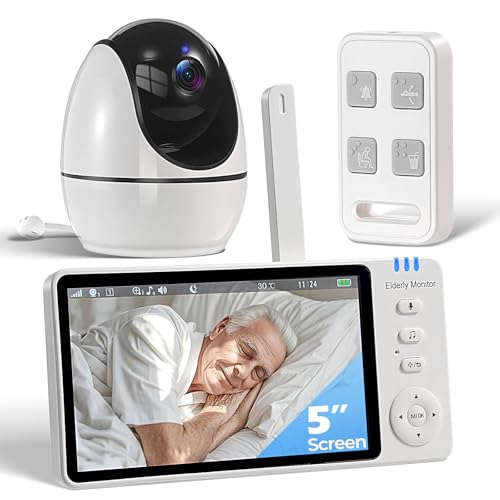
- No Wi-Fi required for private monitoring
- Two-way audio plus SOS/call-button remote
- Night vision, VOX, and room temperature alerts
Best For: Caregivers who want a private no-WiFi camera monitor with voice and reminder features
Floor Mat Exit Alarm
Smart Caregiver Floor Mat Alarm and Pager System

- Alerts when a foot steps on the floor mat
- Pager can vibrate or sound quietly
- Works up to 300 feet from the caregiver
Best For: Bedside or doorway monitoring where a quiet step-on alert is preferred
Motion Sensor Pager
Wireless Caregiver Pager Motion Sensor Alarm

- Detects movement in a room with a plug-in receiver
- 58 ringtones and 5 volume levels up to 110 dB
- LED flash adds a visual alert option
Best For: Basic room-motion alerts for caregivers who want a simple plug-in receiver setup
Bed-Pressure Safety Alert
Smart Bed Alarm for Quiet In-Bed Monitoring
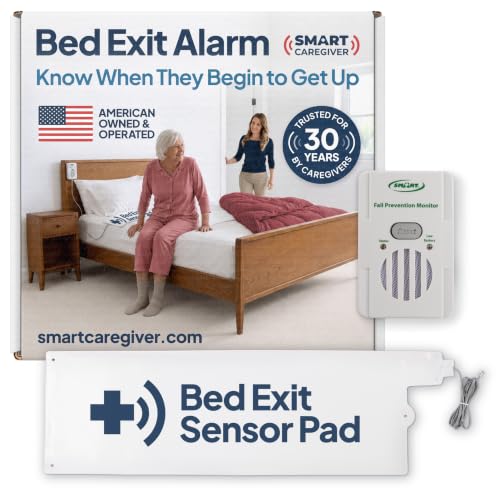
- Weight-sensing pad alarms when pressure is removed.
- Two volume levels and a reset button keep operation simple.
- Status lights help check battery and sensor condition.
Best For: Caregivers who want a straightforward bed-exit alert with flexible sound or remote notification options.
Wireless Motion Pager Set
Multi-Sensor Room and Bed Alert System

- Comes with 2 receivers and 3 motion sensors.
- LED flash plus sound alerts provide flexible notification.
- Up to 58 ringtones and 5 volume levels.
Best For: Monitoring movement across multiple rooms or entry points with audible and visual alerts.
Remote Bed Exit Alert
Smart Caregiver Pager with Wireless Pad

- Wireless pager alerts by vibration or sound.
- Supports up to six compatible Smart Caregiver sensors.
- Large bed pad is engineered to reduce false alarms.
Best For: Caregivers who want a wireless bedside alert they can carry around the home.
Early exit motion alert
Bed Exit Motion Sensor with Pager
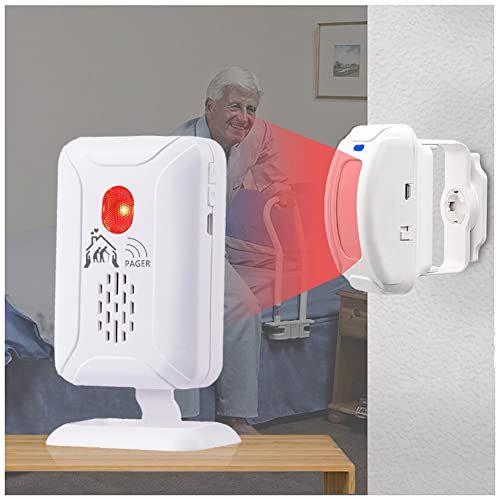
- Wireless sensor for under-bed or doorway placement
- Alerts caregivers without sounding in-room
- LED + sound reminder with battery or USB power
Best For: Remote monitoring of bed exits and room departures
Early bed-pad alert
Wireless Pre-Alert Bed Pad System

- Pre-rise pad placement aims to alert before full bed exit
- Pager keeps alarms out of the bedroom
- No Wi-Fi or app required; batteries included
Best For: Early warning from a bed pressure pad
Simple motion paging alarm
Wireless Motion Sensor Alarm With Pager

- Monitors bed or door movement from outside the room
- Pager alerts help keep bedside quiet
- Mountable detector with adjustable bracket
Best For: Simple remote motion alerts for bed or door
WiFi Bed Exit Alert – WiFi Smart Bed Sensor Alarm and Fall Prevention Monitor
If you need bedroom monitoring devices for seizure safety that can notify caregivers from anywhere, this WiFi bed sensor focuses on bed-exit and room-leaving alerts. It uses motion sensors placed near the bed or doorway, and the app can send immediate warnings to shared contacts so someone can respond quickly.
Best For: Families who want app-based alerts for bed exits, room exits, and shared caregiver notifications.
Pros:
- Sends alerts to a smartphone through the Smart Life app.
- Motion sensors can be placed under the bed or on a doorframe.
- Supports sharing so multiple caregivers can receive alerts.
- Expandable system can connect with more hubs and transmitters.
Cons:
- Only supports 2.4GHz Wi-Fi.
- Only one phone connects to the hub directly; others use sharing.
- Requires battery power for the sensor setup.
This is a practical choice if remote notification matters more than built-in video. It is best viewed as a movement alert system for getting out of bed or leaving the room, not a full camera monitor.
Private Camera Monitor – Elderly Monitor with Camera and Audio
For bedroom monitoring devices for seizure safety, this no-WiFi camera monitor offers a private, self-contained setup with two-way audio and dedicated alert buttons. It adds practical care features like medication reminders, temperature monitoring, and infrared night vision, which can help caregivers keep an eye on a bedroom day and night.
Best For: Caregivers who want a private no-WiFi camera monitor with voice, alert, and reminder features.
Pros:
- No Wi-Fi required, using 2.4GHz FHSS technology for privacy.
- Includes 2-way audio and a dedicated SOS/call-button remote.
- Offers medication reminders and room temperature monitoring.
- Has auto night vision, VOX wake-up, and 355° pan / 90° tilt / 4X zoom.
Cons:
- Designed for indoor use only.
- Uses Bluetooth wireless technology rather than app-based remote access.
- Requires charging, even though battery life is extended.
This model stands out when privacy and straightforward bedside monitoring are top priorities. The included screen, camera, and emergency remote make it a strong all-in-one option for families wanting quick access without relying on internet connectivity.
Floor Mat Exit Alarm – Smart Caregiver Floor Mat Alarm and Pager System
Among bedroom monitoring devices for seizure safety, a floor mat alert can be useful when you want to know the moment someone steps out of bed. This system places a pressure-sensing mat beside the bed or near an exit and sends a caregiver pager alert with sound or vibration, keeping the room quiet for the person being monitored.
Best For: Bedside or doorway monitoring where a quiet step-on alert is preferred.
Pros:
- Triggers when someone steps on the 24 x 48 inch floor mat.
- Pager can sound or vibrate, avoiding loud noise in the room.
- Works up to 300 feet away for caregiver freedom.
- Can be paired with other Smart Caregiver devices later.
Cons:
- Requires 2 AA batteries for the pager, which are not included.
- Only provides step-on detection, not camera or audio monitoring.
- Best suited for placement on the floor beside the bed or door.
This is a straightforward option if you want a reliable alert the instant feet hit the mat. It is especially practical for night monitoring, where a quiet notification can help caregivers respond without disturbing the person in the room.
Motion Sensor Pager – Wireless Caregiver Pager Motion Sensor Alarm
If you are comparing bedroom monitoring devices for seizure safety, this motion sensor pager is a simple way to get alerted when movement is detected in a room. It includes one plug-in receiver and one motion sensor, with adjustable alert volume and multiple ringtones for a setup that can fit different care situations.
Best For: Basic room-motion alerts for caregivers who want a simple plug-in receiver setup.
Pros:
- Detects motion within a 16.4 ft range at a 110° angle.
- Can send alerts up to 260 ft in open areas.
- Offers 58 ringtones and 5 volume levels up to 110 dB.
- Includes a visual LED alert for added notice.
Cons:
- Motion detection range should be tested before final mounting.
- Only includes one sensor and one plug-in receiver.
- Does not include camera, audio, or app-based monitoring.
This model is a useful entry-level alert system when you want movement detection without extra complexity. It is best for caregivers who need a simple, flexible pager that can be heard, seen, or paired with other compatible devices.
Bed-Pressure Safety Alert – Smart Bed Alarm for Quiet In-Bed Monitoring
If you’re comparing bedroom monitoring devices for seizure safety, this Smart Caregiver bed alarm is a simple weight-sensing option that alerts when pressure is removed from the pad. It’s designed to sit under the fitted sheet and can be used with either the built-in in-room alarm or an optional wireless add-on kit sold separately, giving caregivers flexibility in how they respond.
Best For: Caregivers who want a straightforward bed-exit alert with flexible sound or remote notification options.
Pros:
- 10″ x 30″ vinyl sensor pad is soft, sealed for incontinence protection, and easy to wipe clean.
- Two volume settings plus a reset button make the alarm easy to manage.
- Low battery and sensor status lights help confirm the monitor is working.
- Can be mounted on a bed, wall, or nearby surface for convenient placement.
Cons:
- Wireless caregiver notification requires the optional add-on kit, sold separately.
- Uses a corded pad-to-monitor setup rather than a fully wireless bed pad.
- Battery power is included, but the AC adapter is not.
This is a practical bed-exit alarm for everyday monitoring, especially when you want a dependable pressure-pad setup with basic controls and clear status indicators. It fits best as part of a larger safety plan rather than a fully silent remote-alert system out of the box.
Wireless Motion Pager Set – Multi-Sensor Room and Bed Alert System
For bedroom monitoring devices for seizure safety, this wireless motion alert system is built to notify caregivers when movement is detected in a monitored area. It uses three motion sensors and two plug-in receivers, so you can place coverage where you need it and hear or see alerts remotely.
Best For: Monitoring movement across multiple rooms or entry points with audible and visual alerts.
Pros:
- Includes 2 plug-in receivers and 3 motion sensors for broader coverage.
- Motion detection works within a 16.4 ft range and transmits up to 500 ft in open area.
- Receivers offer 58 ringtones and 5 volume levels for customization.
- LED flash provides a visual alert, useful for hearing-impaired users or noisy environments.
Cons:
- Uses AAA batteries for the sensors, which adds ongoing battery maintenance.
- Motion sensing is movement-based, not a bed-pad pressure sensor.
- The range spec is strongest in open areas, so real-world placement can vary.
This set is a flexible option when you want multiple alert points rather than a single bedside alarm. It’s especially useful if you need remote awareness of movement in more than one area of the home.
Remote Bed Exit Alert – Smart Caregiver Pager with Wireless Pad
If you want bedroom monitoring devices for seizure safety with caregiver mobility, this Smart Caregiver bed exit alarm sends a wireless alert when the weight sensor pad no longer detects pressure. The included pager can vibrate or sound, and the system supports expansion with other Smart Caregiver sensors for broader home monitoring.
Best For: Caregivers who want a wireless bedside alert they can carry around the home.
Pros:
- Wireless pager can alert by vibration or sound.
- Supports up to six Smart Caregiver sensors for expanded monitoring.
- Large 10″ x 30″ bed pad is designed to reduce false alarms.
- Includes batteries, pager, bed pad, and instructions for setup.
Cons:
- Still requires pad placement under the shoulders for best results.
- It is a bed-exit system, not a general-purpose seizure detection device.
- Only one pager is included, so additional coverage would need compatible sensors.
This model stands out if you want a more mobile alert method than a bedside alarm alone. The wireless pager makes it easier to stay aware while moving around the house, while the weight-sensing pad provides the trigger.
Early exit motion alert – Bed Exit Motion Sensor with Pager
If you need bedroom monitoring devices for seizure safety, this wireless bed and room alert system is built around movement detection rather than a loud alarm in the patient’s room. It can be placed on the floor under the bed to detect when a foot is about to touch down, or mounted at the door to watch for room exits, making it a practical option for caregivers who want remote notification without startling the person being monitored.
Best For: Caregivers who want a remote motion-alert setup for bed exits or doorway monitoring.
Pros:
- Wireless motion sensor can be placed under the bed or at the door.
- Alert is sent to a receiver instead of sounding in the patient’s room.
- Up to 918 ft. open-area transmission range.
- Dual reminder with LED light and sound, plus battery or Micro USB power options.
Cons:
- Requires testing the sensing range and direction before fixing the sensor in place.
- Motion sensor starts with a self-test period before entering working state.
Overall, this is a flexible motion-based alert system for caregivers who want early notice when someone is getting out of bed or leaving the room. Its biggest advantage is avoiding an in-room alarm while still giving you a wide-range wireless warning.
Early bed-pad alert – Wireless Pre-Alert Bed Pad System
Among bedroom monitoring devices for seizure safety, this wireless bed alarm focuses on early notification before a loved one fully gets up. The sensor pad connects to a portable pager you carry, so the alert stays out of the room and avoids the loud bedside blast that can startle someone who is already vulnerable. It is designed for simple setup without Wi-Fi, apps, or tools.
Best For: Caregivers who want a bed sensor pad that alerts before full bed exit and keeps alarms out of the room.
Pros:
- Patented PreRise early-alert positioning aims to notify you before the person is out of bed.
- No loud in-room alarm to frighten the person being monitored.
- Portable pager offers adjustable volume and vibration-only mode.
- Includes all batteries and setup requires no Wi-Fi, app, or tools.
Cons:
- Uses a pressure pad, which may not suit every bed setup.
- Higher level of system complexity than a simple motion-only alert.
This is a strong fit if you want a more traditional bed-pad approach with early warning and a separate pager. Its main value is balancing fast alerts with a less disruptive experience for the person in bed.
Simple motion paging alarm – Wireless Motion Sensor Alarm With Pager
This wireless motion sensor alarm is a straightforward choice for bedroom monitoring devices for seizure safety when you want to watch for movement from outside the room. The mountable detector can be used for bed or door monitoring and sends alerts to a pager, helping you keep the bedside quiet while still staying informed. Its adjustable mounting bracket adds flexibility for setup.
Best For: Caregivers who want a simple motion detector for bed or doorway alerts with remote paging.
Pros:
- Detects movement for bed or door monitoring.
- Pager-based alert keeps noise away from the bedside.
- Mountable detector with an optional adjustable mounting bracket.
- Battery powered and designed for remote caregiver monitoring.
Cons:
- Batteries for the pager and sensor are listed separately in the notes, so check the included bundle contents carefully.
- Standalone system cannot be used with other Smart Caregiver products.
For buyers who want a compact motion-based alert rather than a bed pad, this system stays focused on the basics. It is best suited to caregivers who need a simple pager warning for movement near the bed or door.
How We Picked These Bedroom Monitoring Devices for Seizure Safety
We prioritized alert reliability, ease of setup, and whether a device could support real-world overnight monitoring without creating unnecessary noise or confusion. We also looked for clear alert pathways, such as pager notifications, motion sensing, bed-exit detection, and caregiver-friendly controls.
Because seizure risk and nighttime wandering needs can vary, we included a mix of monitoring styles rather than only one type of alarm.
Quick Comparison
In-room alarms are best when you want immediate local sound. Pager-based systems are better when the caregiver is in another room. Bed sensors and floor mats focus on bed exits and standing movement, while camera-based options add visual verification and two-way communication.
If you need the least disruptive setup, look for quieter early-alert systems. If you need the fastest wake-up signal, choose louder alarms or multiple receivers.
Key Buying Factors for Bedroom Monitoring Devices for Seizure Safety
Alert Type
Choose between sound alarms, vibrating or pager alerts, app notifications, or camera-based alerts. The best choice depends on how close the caregiver is likely to be and how urgently they need to respond.
Detection Method
Weight-sensing bed pads can detect when someone leaves the mattress, while motion sensors watch for movement in the room. Floor mats can alert on footfall near the bed. For Bedroom Monitoring Devices for Seizure Safety, the detection method should match the person’s nighttime behavior.
Noise and Disturbance
Some systems sound directly in the room, while others send alerts to a remote pager. If you want to avoid startling the sleeper, an early-alert or pager-only design may be preferable.
Range and Placement
Check wireless range, sensor placement, and whether the device needs a plug-in receiver. Good placement matters as much as the hardware, especially in larger homes or multi-room setups.
Ease of Use
Simple arming, volume control, and intuitive setup are important for overnight reliability. A system should be easy to reset after false alarms and simple enough for every caregiver to use confidently.
Who Should Buy Which Bedroom Monitoring Devices for Seizure Safety?
Buy a bed sensor if the main concern is getting an alert when someone sits up or leaves the bed. Choose a motion sensor system if you need broader room coverage. Pick a floor mat alarm if you want a clear trigger right at the bedside. Select a camera or audio monitor if you want both monitoring and the ability to talk or check in visually.
For many households, the best setup combines one primary sensor with a pager or remote receiver, creating a more dependable overnight safety plan.