Choosing the right safety device can make a major difference for residents who wander, fall, or need help quickly. The best options balance reliable location tracking, easy alerts, and simple use for caregivers.
This guide focuses on practical picks for assisted living settings, from wearable GPS trackers to bed sensors and emergency alert devices.
Best 9 Dementia Tracking Devices for Assisted Living Picks for 2026
Best for Live Tracking Alerts
AngelSense GPS Watch for Dementia

- Live tracking alerts for faster caregiver response
- SOS button plus two-way speakerphone
- Wrist-worn format for easier day-to-day use
Best For: Assisted living residents who need real-time location alerts and emergency communication.
Best for Silent Bed-Exit Alerts
Wireless Bed Sensor Alarm for Elderly
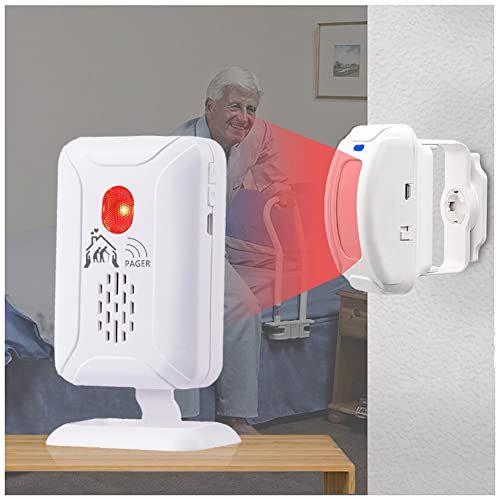
- Alerts caregivers without sounding in the resident’s room.
- Can be used under the bed or at the doorway.
- Wireless receiver offers up to 918 ft open-area range.
Best For: Caregivers who want a simple wireless alert for bed exits and room wandering.
Best for Motion Alerts
Bed Alarm Caregiver Pager with Wireless Sensor

- Wireless sensor and portable pager for indoor alerts
- 500-foot open-area range for caregiver response
- Chime or alarm modes for different care settings
Best For: Assisted living rooms, small care homes, or family caregivers who want a portable motion alert.
Best for 4G Coverage
PAJ 4G GPS Tracker for Elderly with SOS

- 4G tracking updates every 30 seconds in motion
- SOS button and voice messages for quick contact
- Up to 10 days of use with IP65 water resistance
Best For: Care teams and families who need a long-lasting GPS tracker with emergency alerts for seniors with dementia.
Best for Direct Family Alerts
SecuLife Medical Alert Pendant

- Auto fall detection with direct SOS calls to family
- GPS tracking plus geofence zone alerts
- Waterproof pendant with 2-way calling and up to 6-day battery life
Best For: Assisted living residents whose caregivers want direct alerts, GPS tracking, and simple emergency calling.
Best for Wide-Area Coverage
PAJ GPS People Finder 4G Mini Tracker
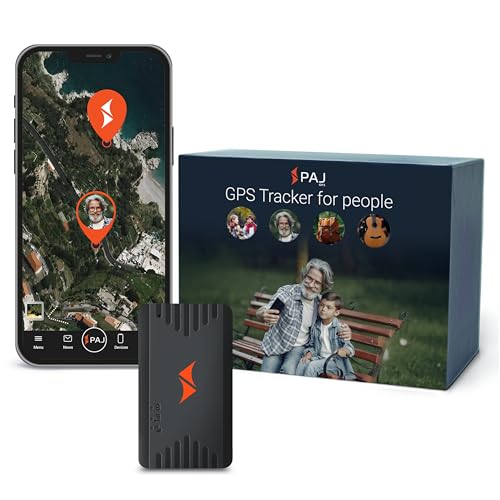
- Real-time GPS tracking with no distance limit
- Safe-zone alerts for wandering or exits
- Compact size with about 5 days of battery life
Best For: Caregivers who need a small GPS tracker for elderly relatives with app alerts and live location tracking.
Best with GPS Geo-Fencing
SecuLife SOS Wristband for Seniors

- GPS tracking with geo-fence alerts
- SOS button plus fall detection
- 2-way calling with caregiver app access
Best For: Seniors in assisted living who need location monitoring and fast emergency alerts.
Best for Wandering Safety
Dementia Alert Device with GPS and Fall Detection

- One-button emergency help for simple use
- Automatic fall detection adds backup protection
- GPS tracking supports wandering and location checks
Best For: Seniors with dementia who need a simple wearable alert device with GPS support.
Best for Live Tracking Alerts – AngelSense GPS Watch for Dementia
If you need dementia tracking devices for assisted living that go beyond basic location pings, AngelSense is built around active supervision. It combines live tracking, SOS support, and two-way calling in a wrist-worn format, making it a strong fit for residents who may wander or need quick check-ins from caregivers.
Best For: Assisted living residents who need real-time location alerts, emergency contact options, and hands-on caregiver monitoring.
Pros:
- Live tracking alerts help caregivers respond quickly to movement or wandering.
- SOS button and two-way speakerphone add fast communication in emergencies.
- Wrist-worn design is easier to keep on than a separate phone.
- Works well for dementia care alongside other special-needs supervision use cases.
Cons:
- Subscription is required, which raises the total ongoing cost.
- May be more device than some low-need users in assisted living require.
For families comparing dementia tracking devices for assisted living, AngelSense stands out when constant awareness matters more than simple step counting or passive location history. It is best suited to caregivers who want an actively monitored safety tool rather than a basic wearable.
Best for Silent Bed-Exit Alerts – Wireless Bed Sensor Alarm for Elderly
If you need a practical monitoring option for dementia tracking devices for assisted living, this bed and motion sensor alarm focuses on one thing: alerting caregivers when a loved one gets up or leaves the room. The off-room receiver, 918 ft open-area range, and flexible sensor placement make it a useful fit for shared living spaces where you want alerts without startling the resident.
Best For: Caregivers who want a simple, wireless bedside or doorway alert for nighttime wandering and bed exits.
Pros:
- Receiver stays with the caregiver, so it does not alarm in the patient’s room.
- Motion sensor can be placed under the bed or at the door for different monitoring needs.
- Dual alerts with sound and LED light help catch notifications in noisy environments.
- Wireless design with battery or micro-USB power adds placement flexibility.
Cons:
- Requires testing the sensing range and direction before final placement.
- Not a full tracking solution; it only alerts on movement or bed exit.
- Best results depend on proper setup and caregiver proximity to the receiver.
This is a straightforward alarm rather than a complete location system, but it can still be a smart support tool alongside other dementia tracking devices for assisted living. It’s most compelling for caregivers who want early warning on bed exits or room departures with minimal complexity.
Best iPhone-Only No-Subscription Pick – GPS Tracker for Kids, Teens & Elderly
This compact locator is a practical option for shoppers comparing dementia tracking devices for assisted living, especially if the caregiver uses an iPhone and wants a low-maintenance setup. It focuses on real-time location awareness, hidden wearability, and no monthly fee, making it appealing for everyday supervision.
Best For: iPhone-based caregivers who want a simple, subscription-free tracker for an older adult in assisted living.
Pros:
- No monthly subscription, which keeps long-term costs down.
- Works with Apple’s Find My app, so setup is straightforward for iOS users.
- Compact, discreet design with included waterproof watch band.
- Useful for real-time location awareness in assisted living routines.
Cons:
- iOS-only, so it won’t work for Android-based families.
- Battery-based tracker is best for location awareness, not advanced medical monitoring.
- Not suitable for children under 12, despite the product branding.
For dementia tracking devices for assisted living, this model stands out more for affordability and simplicity than for advanced elder-care features. If you already live in the Apple ecosystem and want a discreet, no-fee locator, it’s a solid fit.
Best for Motion Alerts – Bed Alarm Caregiver Pager with Wireless Sensor
If you need a simple, low-fuss layer of monitoring, this wireless bed alarm and pager can fit into dementia tracking devices for assisted living without adding a lot of complexity. It watches for motion, sends alerts up to 500 feet in open areas, and can be set to either a chime or a louder alarm depending on the care environment.
Best For: Assisted living rooms, small care homes, or family caregivers who want a portable motion alert for bedside or doorway monitoring.
Pros:
- Wireless motion sensor and pager are easy to place on a bed, doorway, or wall.
- Portable pager can be carried or clipped on for quick response.
- Choice of ding-dong chime or continuous alarm for different care settings.
- Flexible mounting options help with fast setup in bedrooms and hallways.
Cons:
- It alerts to movement, but it is not a GPS or location-tracking device.
- Best suited for indoor use rather than whole-home or outdoor coverage.
Overall, this is a practical alert system if your priority is knowing when someone gets up, approaches a door, or leaves a room. For buyers comparing dementia tracking devices for assisted living, it’s more of a movement-notification tool than a full tracking solution, but that can still be exactly what many care setups need.
Best for 4G Coverage – PAJ 4G GPS Tracker for Elderly with SOS
If you want a simple way to keep tabs on a loved one, this PAJ tracker is a practical option for dementia tracking devices for assisted living. It uses 4G real-time location updates, an SOS button, and voice messages, so caregivers can check location and get alerts without relying on short-range Bluetooth or Wi‑Fi.
Best For: Care teams and families who want a waterproof, long-battery GPS tracker with emergency alerts for seniors and dementia care.
Pros:
- 4G live tracking updates every 30 seconds while moving
- SOS button plus two-way voice messages for faster response
- Up to 10 days of typical use and IP65 water resistance
Cons:
- Requires an ongoing subscription to use the tracking service
- Not a medical alert watch, so it’s more of a tracker than a full-care device
For assisted living settings that need dependable location awareness, this tracker covers the essentials without much setup. It’s especially useful if you’re comparing dementia tracking devices for assisted living and want global 4G coverage, battery life, and an SOS option in one compact unit.
Best for Direct Family Alerts – SecuLife Medical Alert Pendant
If you’re comparing dementia tracking devices for assisted living, SecuLife stands out for its direct-to-family alerting, built-in GPS tracking, and simple SOS pendant design. It’s a practical option when caregivers want location visibility and emergency calls routed straight to trusted contacts instead of a call center.
Best For: Seniors in assisted living who need fall detection, GPS location sharing, and immediate alerts to family caregivers.
Pros:
- Fall detection can automatically trigger an alert and call preselected contacts
- GPS tracking with geofence zones helps caregivers monitor whereabouts
- 2-way calling and auto-answer support hands-free communication
- Waterproof IP67 build and up to 6 days of battery life add daily convenience
Cons:
- Requires a $20 monthly subscription
- Less suitable if you want a traditional professional monitoring call center
- Best tracking features depend on cellular coverage and setup
This is a strong fit for families who want a simpler, more direct safety tool rather than a full-service monitoring system. For dementia tracking devices for assisted living, it makes the most sense when the goal is to combine wearable emergency response with location awareness and direct caregiver communication.
Best for Wide-Area Coverage – PAJ GPS People Finder 4G Mini Tracker
For shoppers comparing dementia tracking devices for assisted living, this PAJ GPS People Finder is a practical option when you need real-time location tracking, geofence alerts, and a compact wearable form factor. It adds long track memory, a free app, and no distance limit, making it easier to monitor someone who may wander beyond a care facility or family home.
Best For: Families and caregivers who want a small GPS tracker with live location updates, safe-zone alerts, and app-based monitoring for an elderly relative.
Pros:
- No distance limit with real-time global location tracking
- Safe-zone alerts notify you when the wearer leaves a defined area
- Compact 41 g design with around 5 days of battery life
- Includes SIM card and supports Android/iOS app sharing
Cons:
- Requires an ongoing subscription plan
- Battery life is good, but still needs regular charging
As a monitoring tool, this tracker fits the needs of dementia tracking devices for assisted living when the priority is location visibility and quick alerts rather than advanced health features. It is most useful for caregivers who want a simple GPS layer of protection with manageable setup and app-based oversight.
Best with GPS Geo-Fencing – SecuLife SOS Wristband for Seniors
If you need one of the more practical dementia tracking devices for assisted living, this SecuLife SOS Wristband focuses on location awareness, emergency calling, and caregiver visibility in a simple screen-free design. It is geared toward families that want dependable alerts, live tracking, and geo-fencing without adding a complicated interface.
Best For: Seniors in assisted living who need GPS tracking, fall alerts, and easy caregiver communication in one wearable.
Pros:
- Real-time GPS tracking with geo-fence alerts for safer wandering monitoring
- SOS button and fall detection can notify preset emergency contacts quickly
- 2-way calling and caregiver app support make check-ins easier
- Screen-free, lightweight bracelet is simpler for seniors to wear daily
Cons:
- Requires a $25 monthly subscription for full service
- Works best when caregivers are comfortable using the companion app
- Not a medical diagnosis tool, only a safety and tracking device
For assisted living settings, this bracelet is a solid fit when the priority is quick response and location monitoring rather than advanced health data. Among dementia tracking devices for assisted living, it stands out for combining geofencing, fall detection, and simple calling in a wearable that is easy to understand.
Best for Wandering Safety – Dementia Alert Device with GPS and Fall Detection
If you’re comparing dementia tracking devices for assisted living, this option stands out for combining one-button help, automatic fall detection, and real-time GPS in a simple wearable format. It’s designed to reduce response time when a resident falls, wanders, or needs quick assistance.
Best For: Seniors with dementia who need an easy-to-wear emergency alert device with location tracking for caregiver oversight.
Pros:
- One-button emergency calling is straightforward for seniors to use.
- Automatic fall detection adds protection when the wearer can’t press the button.
- GPS tracking helps caregivers locate someone who wanders or gets disoriented.
- Waterproof design makes it more practical for everyday wear, including showers.
Cons:
- Requires a monthly service plan, which adds an ongoing cost.
- Self-monitored setup may not suit buyers who want a traditional 24/7 call center.
For assisted living communities and families evaluating dementia tracking devices for assisted living, this is a solid value-focused pick if you want GPS, falls protection, and simple emergency calling without a complicated interface.
How We Picked the Best Dementia Tracking Devices for Assisted Living
We focused on Dementia Tracking Devices for Assisted Living that are easy to operate, support fast caregiver response, and fit common care scenarios like wandering, nighttime exits, falls, and indoor monitoring. We prioritized devices with GPS tracking, SOS support, fall detection, geofencing, two-way calling, battery life, and setup simplicity.
Quick Comparison
Wearable GPS devices are best for residents who may leave a safe area or need location sharing on the go. Bed alarms and motion sensors are better for nighttime fall prevention and room-level alerts. Medical alert pendants and wristbands are strongest when one-button help and automatic fall detection matter most. The best choice depends on whether your main concern is wandering, falls, or rapid caregiver notification.
Key Buying Factors for Dementia Tracking Devices for Assisted Living
Tracking Range and Accuracy
If wandering is a concern, choose a device with dependable GPS and geofencing. Look for clear location updates and strong signal performance outdoors and in transit.
Alert Method
Some devices send alerts to family or staff through an app, text, or call. Others use a local pager or receiver. Match the alert type to how your care team actually responds during the day and overnight.
Ease of Use
Residents with cognitive decline often do best with one-button operation, simple charging, and a comfortable wearable form factor. Caregivers should also be able to check status quickly without navigating a complicated setup.
Battery Life and Maintenance
Longer battery life reduces missed alerts and charging hassles. In assisted living, dependable daily routines matter more than extra features that require frequent management.
Comfort and Placement
Wristbands, pendants, and clip-on trackers suit different residents differently. For some users, a discreet wearable is easier to keep on; for others, a bed sensor or motion alarm is a better backup.
Who Should Buy Which Dementia Tracking Devices for Assisted Living?
If you need outdoor location tracking, choose a GPS-enabled wearable with SOS and geofencing. If your priority is nighttime safety, a bed sensor or motion alarm may be the most useful tool. For broader day-to-day protection, a medical alert pendant or wristband with fall detection and two-way calling offers a strong balance of convenience and response speed. In many assisted living plans, the best solution is a combination of devices rather than a single product.