If you’re building a safer home setup for someone with seizures, the right tools can make caregiving faster and more reassuring. The best options help with alerting, identification, and clear emergency communication.
This roundup focuses on practical epilepsy safety devices for home use that are easy to deploy, simple to wear or place, and useful for families, caregivers, and people living independently.
Best 10 Epilepsy Safety Devices for Home Use Picks for 2026
Best for Motion-Based Alerts
Upgraded Bed Sensor Alarm for Caregivers
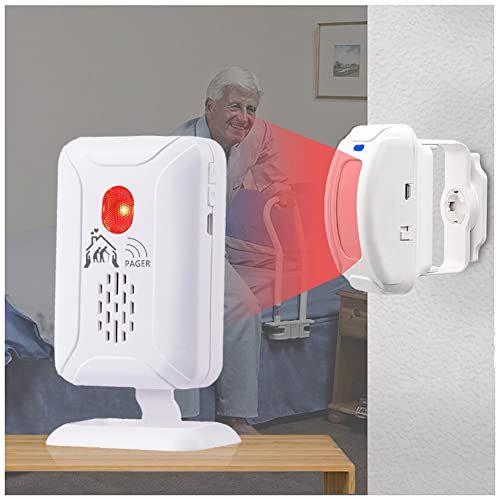
- Wireless motion sensor can monitor bed exits or door movement.
- Caregiver gets the alert, not the person in the room.
- Dual power and long-range transmission add convenience.
Best For: Caregivers who want a flexible wireless alert for bed exits or doorway movement.
Best Emergency ID Set
Medical Card Awareness with Writable Panel

- Writable medical card for emergency contact details
- Safety breakaway lanyard for everyday wear
- Clear holder keeps ID visible and protected
Best For: People who want a basic seizure medical ID for home preparedness and daily carry.
Best for Simple Caregiver Alerts
CallToU Wireless Caregiver Pager

- 500+ ft open-area range
- 55 tones and 5 volume levels
- Waterproof button and receiver
Best For: Families wanting a simple, portable call-button alert system for home caregiving.
Best Medical ID Tag
MediPal Epilepsy Alert Seatbelt Tag

- Tri-fold epilepsy medical ID with detailed seizure and rescue info fields
- Reflective trim and quick-access Velcro design for fast visibility
- Portable enough for seatbelts, backpacks, walkers, wheelchairs, and belts
Best For: People who need a portable epilepsy medical ID that can travel from home to car and daily outings.
Best for Wide-Area Coverage
Caregiver Pager Wireless Call Button

- Long-range wireless alert system for home use
- 5 volume levels plus silent LED mode
- IP55 splash-resistant call button for key areas
Best For: Homes that need a simple, no-fee way for caregivers to receive fast alerts from another room.
Best Identity Coverage
Epilepsy Silicone Medical Alert Bracelets (5 Pack)

- 5-pack offers extra value and spares
- Lightweight silicone for everyday wear
- Clear medical alert identification
Best For: Adults who want a simple, affordable medical alert wristband set.
Best for App Alerts
Daytech Wi-Fi Caregiver Call Button

- Wi-Fi app alerts for quick caregiver response
- Includes SOS watch plus two wireless call buttons
- Shared notifications help multiple family members stay informed
Best For: Families needing a simple home alert system with phone notifications and multiple call options.
Best for Visible Everyday Carry
Medical ID Keychain with Laser Engraving

- Compact keychain design for easy everyday carry
- Laser engraving keeps medical details visible
- Good backup ID for emergencies without electronics
Best For: People who want a lightweight medical ID to attach to keys, bags, or clothing.
Best for Quick At-Home Alerts
Wireless Caregiver Pager Call Button

- One-button emergency calling for fast caregiver alerts
- 1000+ ft open-area range for multi-room coverage
- 26 tones and 4 volume levels for flexible use
Best For: Families who want a simple, loud caregiver alert button for home emergencies.
Best Medical ID Charm

- Clear epilepsy medical alert marking
- Lightweight aluminum, low-bulk design
- Slides onto a smartwatch band
Best For: People who want a discreet wearable epilepsy alert marker for quick emergency visibility.
Best for Motion-Based Alerts – Upgraded Bed Sensor Alarm for Caregivers
If you want a simple alert system that can help caregivers notice nighttime bed exits or room departures, this motion-sensor alarm is a practical option to consider. For families comparing epilepsy safety devices for home use, it can add another layer of supervision by notifying a caregiver before someone fully gets up or moves toward a doorway.
Best For: Caregivers who need a wireless, non-pad alert for monitoring bed exits or door movement from another room.
Pros:
- Motion sensor can be placed under the bed or near a door for flexible monitoring.
- Receiver alerts the caregiver instead of sounding in the patient’s room.
- Long open-area range and dual power options improve everyday usability.
Cons:
- Requires testing and setup to confirm sensing range and direction.
- Not a medical monitoring system, so it should be used as a support tool only.
This is a helpful pick if you want a low-friction alert device that avoids pressure pads and can be repositioned easily. As with other epilepsy safety devices for home use, it works best as part of a broader supervision plan rather than a standalone safety solution.
Best Emergency ID Set – Medical Card Awareness with Writable Panel
This simple emergency ID kit is a practical add-on for epilepsy safety devices for home use, giving you a writable medical card, a breakaway lanyard, and a clear holder for easy visibility. It’s designed for quick identification in an emergency, especially if you want a low-cost way to keep seizure information and contact details close at hand.
Best For: People who want a basic, wearable medical ID setup for seizures, daily carry, or home preparedness.
Pros:
- Writable PVC card lets you add personal and emergency contact details.
- Breakaway fabric lanyard adds a helpful safety feature for everyday wear.
- Clear double-sided holder keeps the card visible and easy to read.
- Waterproof card material helps protect your information from spills.
Cons:
- Not a monitoring or alerting device, so it won’t detect seizures.
- Information must be written in manually with a permanent pen.
- More of a wearable ID accessory than a full medical safety system.
As part of a broader set of epilepsy safety devices for home use, this card-and-lanyard combo is best viewed as a communication tool rather than a clinical aid. It shines when fast identification matters, but it works best alongside other seizure safety planning and emergency response tools.
Best for Simple Caregiver Alerts – CallToU Wireless Caregiver Pager
If you want a straightforward alert system for epilepsy safety devices for home use, this CallToU pager gives a caregiver and patient a simple way to request help at the press of a button. It is easy to move around the house, offers a long open-area range, and includes volume and ringtone options to fit different rooms and routines.
Best For: Homes that need an easy-to-use, low-fuss alert button for caregivers, seniors, or patients who may need quick assistance.
Pros:
- 500+ ft open-area range helps cover multiple rooms and nearby spaces
- Receiver plugs in anywhere, while the button can be worn, mounted, or carried
- 55 ringtones and 5 volume levels make it easier to customize alerts
- Waterproof and dustproof design adds peace of mind for bathroom or outdoor use
Cons:
- Includes only one call button, so larger households may need extras
- Open-area range can be reduced by walls and interference
- Needs a 12V battery for the transmitter
For families comparing epilepsy safety devices for home use, this is a practical alert option rather than a medical monitoring system. It stands out for its simplicity, portability, and strong everyday usability when fast communication matters most.
Best Medical ID Tag – MediPal Epilepsy Alert Seatbelt Tag
If you’re comparing epilepsy safety devices for home use, this MediPal seatbelt tag stands out as a quick-access medical ID that travels well beyond the house. It gives first responders a clear, portable way to see seizure details, triggers, meds, allergies, and emergency contacts, while the reflective trim helps improve visibility.
Best For: People who want a portable epilepsy medical ID that can move from car seatbelt use to backpacks, walkers, wheelchairs, and other everyday carry points.
Pros:
- Includes space for seizure type, triggers, duration, rescue meds, allergies, diet, and emergency contacts.
- Reflective trim and seatbelt placement help make the ID easy to spot in urgent situations.
- Uses a tri-fold form with a downloadable PDF version for easy updates and reprints.
- Slides on standard seatbelts and can also attach to bags, belts, walkers, and wheelchairs.
Cons:
- It is an ID tag, not an active monitoring or alerting device.
- Requires you to fill in and maintain the medical information yourself.
- Most useful when the person is already carrying or wearing it consistently.
For families shopping epilepsy safety devices for home use, this is less about hands-on protection and more about making critical information instantly available in an emergency. It’s a practical low-tech backup that can complement other safety planning at home, in the car, or on the go.
Best for Wide-Area Coverage – Caregiver Pager Wireless Call Button
If you’re comparing epilepsy safety devices for home use, this wireless caregiver pager is a simple way to let someone call for help from another room without shouting or reaching for a phone. The long range, loud alarm options, and waterproof call button make it a practical fit for homes where quick alerts matter.
Best For: Households that need an easy, no-monthly-fee alert system for caregivers, seniors, disabled users, or anyone who may need fast assistance at home.
Pros:
- Up to 1000 feet of range in open air for flexible home coverage
- 5 volume levels, silent LED mode, and 52 melodies for different environments
- Call button is IP55 splash-resistant and can be placed in key spots like the bathroom or bedside
- No subscription or monthly fee required
Cons:
- Button should not be immersed in water, so it’s not for shower use
- Best as an alert system, not a full medical monitoring device
- Range may drop noticeably through walls and obstacles
For epilepsy safety devices for home use, this model stands out as a straightforward alert solution rather than a specialized sensor system. It works best when the goal is to give a caregiver an immediate heads-up and keep response times short in common living spaces.
Best Identity Coverage – Epilepsy Silicone Medical Alert Bracelets (5 Pack)
Epilepsy Silicone Bracelets Medical Alert (5 Pack) Wristbands Adult Size for Men Women 7.8"
Check Price On AmazonIf you want a simple, affordable way to make seizure-related information visible, these epilepsy safety devices for home use focus on everyday wearability rather than electronics. The 5-pack gives you multiple wristbands to rotate, share, or keep in different places, which can be useful for adults who want consistent medical alert identification at home and on the go.
Best For: Adults who want a low-cost, non-digital medical alert option for daily wear, backup sets, or multiple locations.
Pros:
- 5-pack adds value and makes it easy to keep spares
- Simple silicone design is lightweight and comfortable for daily wear
- Clear medical alert purpose supports quick recognition in an emergency
- Adult 7.8″ sizing suits many men and women
Cons:
- Not an electronic alert device or monitoring tool
- Silicone style is basic and may not suit users wanting a more premium look
For shoppers comparing epilepsy safety devices for home use, this set stands out as a practical identification option rather than a high-tech solution. It’s a good fit if your priority is making medical information easy to spot without adding complexity.
Best for App Alerts – Daytech Wi-Fi Caregiver Call Button
If you’re comparing epilepsy safety devices for home use, this Daytech Wi-Fi caregiver call button is a practical option for getting attention fast and sending alerts to a phone at the same time. It combines a loud plug-in receiver, app notifications, and shared alerts, so family members can respond quickly when someone needs help.
Best For: Families who want a simple Wi-Fi alert system with phone notifications, shared caregiver access, and both wearable and button-based calling options.
Pros:
- Wi-Fi app alerts send emergency notifications to mobile phones.
- Includes one SOS watch and two wireless call buttons for flexible use.
- Shared notifications let multiple caregivers stay informed.
- Custom ringtones and volume levels help identify which button was pressed.
Cons:
- Receiver must stay plugged into an outlet.
- Depends on Wi-Fi for core app features.
- More of an alert system than a specialized epilepsy monitor.
For households that want a straightforward backup alert layer, this Daytech kit fits well among epilepsy safety devices for home use, especially when multiple caregivers need to receive the same call quickly.
Best for Visible Everyday Carry – Medical ID Keychain with Laser Engraving
If you want a simple, always-accessible ID option, this medical alert keychain is a practical add-on for epilepsy safety devices for home use and daily outings. The laser engraving helps make emergency details easy to spot, while the compact keychain format lets you attach it to a bag, jacket, or key ring.
Best For: People who want a lightweight, low-fuss medical ID they can keep on hand every day.
Pros:
- Compact keychain design is easy to carry on bags, clothing, or keys
- Laser engraving offers clear, durable medical ID visibility
- Works well as a backup identification tool for emergencies
- Simple option for people who prefer a no-electronics solution
Cons:
- Does not include active alerting or monitoring features
- Small format may be easier to overlook than a wrist-worn ID
- Limited to identification, not seizure detection or response
As part of a broader set of epilepsy safety devices for home use, this keychain is most useful as a fast, visible way to share critical medical information. It is not a monitoring device, but it can still improve emergency preparedness when kept in an obvious place.
Best for Quick At-Home Alerts – Wireless Caregiver Pager Call Button
If you want a simple way to notify a caregiver fast, this wireless pager is a practical option to consider among epilepsy safety devices for home use. It uses one-press calling, a plug-in receiver, and a long wireless range to help make support more immediate in bedrooms, kitchens, or shared living spaces.
Best For: Home caregivers, seniors, or patients who need an easy emergency call button with a loud, adjustable receiver.
Pros:
- One-button call setup is easy to use in an urgent moment
- 1000+ ft open-area range helps cover multiple rooms
- 26 tones and 4 volume levels add flexibility for different homes
- Call button can be worn, mounted, or used as a bedside alert
Cons:
- Receiver must stay plugged into an outlet
- Not a medical monitoring system or wearable seizure detector
- Works best as a caregiver alert tool, not a standalone safety solution
For families comparing epilepsy safety devices for home use, this pager is most useful as a fast alert layer rather than a diagnostic or automatic response device. It’s a straightforward way to help a caregiver hear and respond quickly when someone needs assistance.
Best Medical ID Charm – Epilepsy Alert Watch Charm
If you want a simple, visible identifier to complement your epilepsy safety devices for home use, this watch charm adds a clear medical alert message right on your smartwatch band. The lightweight aluminum charm is designed to stay noticeable without feeling bulky, making it a practical everyday carry option for people who want extra peace of mind in routine settings.
Best For: Anyone who wants a discreet, wearable epilepsy medical alert marker that can be seen quickly in an emergency.
Pros:
- Clearly marked with “EPILEPSY” and a medical symbol for fast recognition
- Lightweight aluminum construction keeps it unobtrusive on a watch band
- Slides onto a smartwatch band for everyday visibility
Cons:
- Band is not included, so you need a compatible smartwatch band
- Works as an identifier, not an active monitoring or alerting device
As a low-profile medical ID accessory, this charm makes sense if you already use epilepsy safety devices for home use and want a wearable backup for time spent outside the house. It is most useful as a quick visual cue for responders, rather than a full safety system.
How We Picked the Best Epilepsy Safety Devices for Home Use
We prioritized devices that solve common home-safety needs for seizure care: fast caregiver notification, visible medical identification, and simple daily use. For Epilepsy Safety Devices for Home Use, the most useful products are reliable, easy to understand in an emergency, and practical for the person and their caregivers.
Quick Comparison
Think of these products in three groups. Alert systems help summon a caregiver quickly. Medical ID items help first responders and bystanders recognize seizure-related needs. Wearable tags, bracelets, and cards support communication when the person cannot speak for themselves.
Key Buying Factors for Epilepsy Safety Devices for Home Use
Alert Range and Reliability
If you need help across rooms or floors, check wireless range, receiver type, and whether the device works through everyday home barriers. Battery life, charging method, and whether alerts are audible or app-based also matter.
Visibility and Information Quality
Medical ID products should be easy to spot and should clearly list seizure type, emergency contacts, medications, allergies, and the best response. Simple, readable formatting is often better than overcrowded designs.
Ease of Use During a Seizure
Choose devices that are simple to activate, comfortable to wear, and easy to keep within reach. For Epilepsy Safety Devices for Home Use, the best choice is usually the one the person will actually use every day.
Placement and Lifestyle Fit
Some people need wearable identification for outings and transport, while others benefit most from home alert buttons, bed sensors, or keychain-style backup IDs. Match the device to daily routines, mobility, and caregiver availability.
Durability and Maintenance
Look for water resistance, strong clips or bands, and materials that can handle regular wear. Maintenance should be straightforward so the system stays ready when needed.
Who Should Buy Which Epilepsy Safety Devices for Home Use?
Caregivers supporting someone at home may want a combination of alert devices and medical identification rather than just one product. People with unpredictable seizures often benefit from always-on IDs, such as bracelets, wallet cards, tags, or keychains. Those who need immediate in-home help should focus on wireless call buttons, pager systems, or motion-based alerts. If you want the simplest setup, start with clear medical ID and add an alert system next.
In short, the best Epilepsy Safety Devices for Home Use are the ones that reduce delay, improve communication, and fit naturally into everyday life.